

















Understanding the Northern Pike
The northern pike (Esox lucius) is both a thrilling catch and a challenging foe for anglers. Renowned for their aggressive nature and fierce hunting instincts, pike can reach impressive sizes – sometimes exceeding 40 inches in length and weighing over 30 pounds. Found primarily in the northern regions of North America and Europe, these fish inhabit various types of freshwater environments, including lakes, rivers, and marshes.
Understanding the biology and behavior of pike is crucial for successful fishing. Pike are ambush predators, relying on their sharp vision and speed to hunt smaller fish. Their elongated bodies and sharp teeth make them effective hunters, which makes their feeding times critical for anglers seeking success.
Gear and Equipment Essentials
Choosing the right gear is fundamental to successful pike fishing. The following considerations can help you equip yourself adequately:
Rods
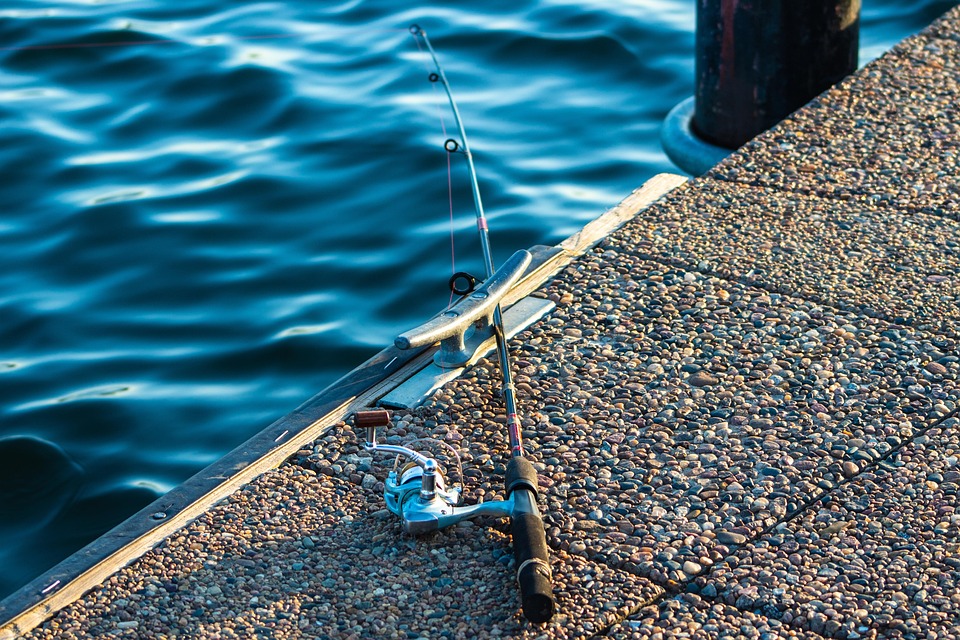
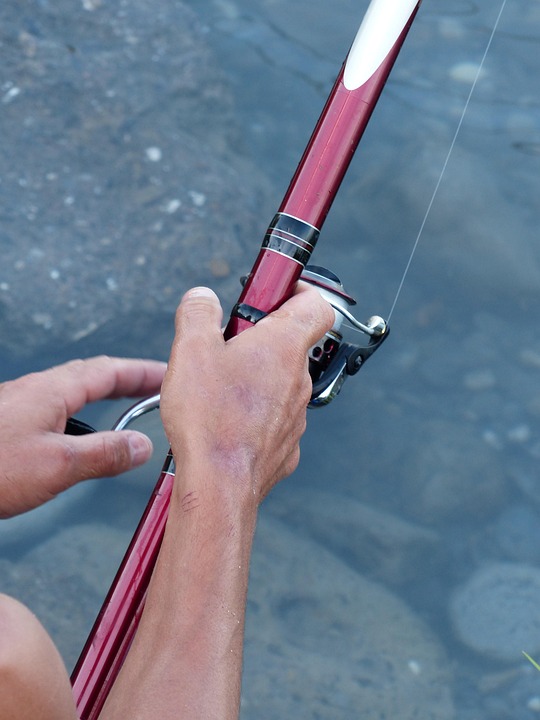
A medium-heavy to heavy action rod, usually between 6.5 to 8 feet in length, is ideal for pike fishing. This type of rod provides the backbone needed to handle larger fish while offering sensitivity for detecting bites.
Reels
A quality baitcasting or spinning reel with a strong drag system is vital. A reel that can hold a significant amount of line, such as 200 yards of 20-30 lb braided line, will help when dealing with larger pike.
Line
Using braided line is recommended due to its strength and low visibility underwater. A 30-50 lb test line is generally suitable for handling pike.
Baits and Lures
When it comes to baits and lures, pike are attracted to a variety of options. Here are some popular choices:
- Spinnerbaits: Their flash and vibration can provoke pike to strike.
- Jerkbaits: These offer enticing movements that mimic injured fish.
- Swimbaits: Resembling natural prey, they are effective for attracting pike.
- Live and Cut Bait: Using live minnows or dead cut bait can also yield impressive results.
Technique and Strategies
Mastering pike fishing requires not just the right gear, but also knowledge of effective techniques and strategies:
Locating Pike
Pike prefer weed beds, drop-offs, and submerged structures. Look for areas with plenty of cover where pike can ambush their prey. During warmer months, pike can often be found in shallow waters, while they tend to move to deeper areas in colder months.
Timing Your Fishing Trips
The best times to fish for pike are during dawn and dusk. Additionally, pike are often more active during overcast days. Weather patterns influence their feeding behavior, so be sure to monitor conditions.
Use of Techniques
Here are four effective fishing techniques to enhance your pike fishing experience:
- Jigging: Popular among ice anglers, jigging can also be effective in open water.
- Trolling: This approach enables you to cover more water and locate active pike.
- Casting: Aim for structures or vegetation where pike are more likely to hide.
- Drifting: This technique allows the bait to present naturally with the current.
Conservation and Ethical Fishing Practices
As responsible anglers, it is crucial to follow ethical fishing practices and conservation guidelines. Be mindful of seasonal regulations concerning pike fishing and practice catch-and-release techniques whenever possible. This helps maintain healthy pike populations and ensures sustainable fishing for future generations.
Keep the Waters Clean
Always leave your fishing spot cleaner than you found it. Dispose of trash properly and consider organizing or participating in local clean-up events. Every small action contributes to preserving the natural habitat of these magnificent fish.
Conclusion
Mastering the waters for pike fishing is both a science and an art. It requires understanding the fish, equipping yourself with the right gear, and employing effective techniques. Whether you’re a seasoned angler or a beginner, the thrill of catching a northern pike is an exhilarating experience that brings you closer to nature. Take the time to learn, respect the environment, and enjoy your fishing adventures. With patience and practice, your path to pike fishing success is well within reach.
Frequently Asked Questions (FAQs)
1. What is the best season for pike fishing?
The best seasons for pike fishing are spring and fall. In spring, pike are spawning and more actively feeding. In the fall, they prepare for winter by feeding aggressively.
2. How do I improve my chances of catching pike?
Enhancing your pike fishing success can be achieved by learning to locate their habitats, using the right lures, and fishing during optimal times such as dawn and dusk.
3. Can I catch pike with live bait?
Yes, live bait such as minnows is highly effective for catching pike. However, ensure that you’re abiding by local regulations concerning the use of live bait.
4. How can I safely handle and release pike?
To safely handle a pike, wet your hands before touching it to protect its slime coating. Use a landing net when possible and minimize the time the fish spends out of the water when practicing catch-and-release.
5. What measures can I take to ensure fish conservation?
Practice catch-and-release, stay informed about local fishing regulations, and participate in habitat restoration efforts. Keeping the waters clean also contributes to the conservation of fish populations.
- bass fishing
- Bluegill Fishing
- carp fishing
- catfish fishing
- Crappie Fishing
- freshwater angling
- freshwater bait fishing
- freshwater fishing
- freshwater fishing gear
- freshwater fishing guides
- freshwater fishing species
- freshwater fishing techniques
- freshwater fishing tips
- freshwater fly fishing
- freshwater spinning fishing
- inland fishing
- lake fishing
- lakes fishing
- largemouth bass fishing
- muskie fishing
- panfish fishing
- Perch Fishing
- pike fishing
- pond fishing
- reservoir fishing
- reservoirs fishing
- river fishing
- rivers fishing
- Salmon Fishing
- smallmouth bass fishing
- stream fishing
- Tilapia Fishing
- Trout Fishing
- Walleye Fishing










Leave a comment