














Bait fishing is one of the oldest and most effective methods for catching fish. Whether you’re a novice angler or simply looking to improve your skills, understanding the intricacies of bait fishing can greatly increase your chances of landing that prized catch. In this guide, we’ll delve into the essentials of bait fishing, covering everything from choosing the right bait to mastering techniques that will help you fish more effectively.
Understanding Bait Fishing
Bait fishing involves using live or artificial bait to attract fish. Unlike lure fishing, where artificial lures mimic the appearance and movement of prey, bait fishing focuses on the natural instinct of fish to pursue food. The key to successful bait fishing lies in choosing the right type of bait for the fish species you’re targeting and the environment in which you’re fishing.
Types of Bait
When it comes to bait fishing, the options can be overwhelming. Here, we’ll break down the most common types of bait:
1. Live Bait
Live bait, such as minnows, worms, and insects, is often the most effective because it mimics the natural prey of fish. Some popular live bait options include:
- Nightcrawlers
- Red worms
- Shiners
- Crickets
- Leeches
2. Cut Bait
Cut bait involves using pieces of fish to attract larger species like catfish and pike. The scent and movement of cut bait can be irresistible to fish. Some effective types include:
- Freshly cut shad
- Rainbow trout
- Herring
3. Artificials and Dough Balls
Although not as conventional, artificial baits can also be effective, especially for species like carp. Dough balls, which can be made at home, often include bread, cheese, and various flavorings to entice fish.
Choosing the Right Fishing Spot
Where you fish can be just as important as how you fish. Here are several tips on finding the best spots:
- Structure: Look for underwater vegetation, rocks, or other structures. Fish tend to congregate around these areas for shelter and food.
- Depth Changes: Fish often relate to depth changes, so areas where the depth increases (drop-offs, ledges) can be promising.
- Temperature: Fish are cold-blooded creatures, and their activity often revolves around temperature. Warmer waters are active in cooler months.
- Time of Day: Dawn and dusk are often the best times to fish as fish are usually more active during these periods.
Essential Fishing Gear
To succeed in bait fishing, having the right gear is crucial. Here’s a breakdown of the essential equipment:
1. Rod and Reel
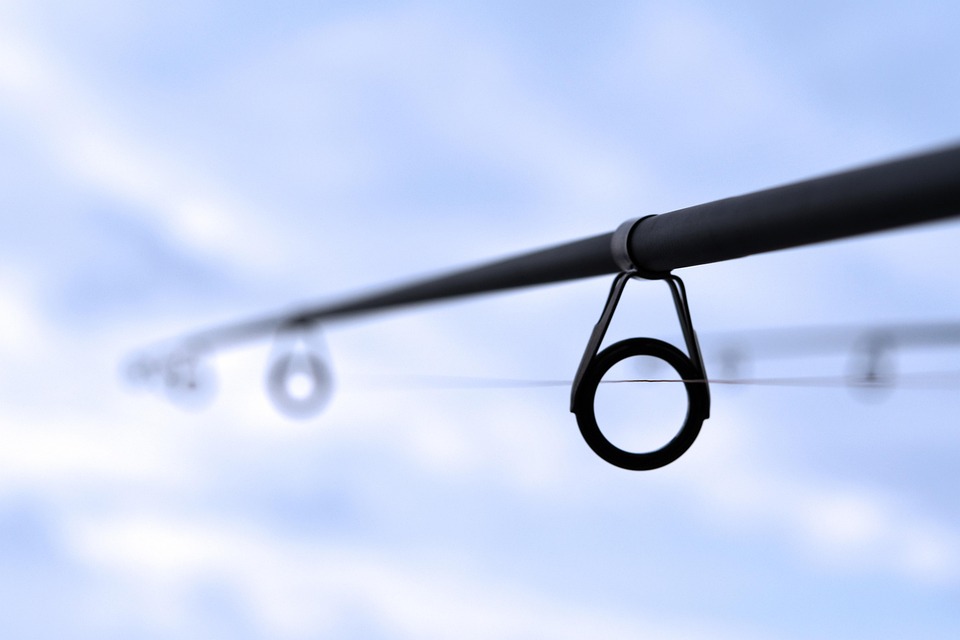
Your rod and reel choice should match the type of fish you’re targeting. For lighter fish like panfish, a light or medium rod will suffice, whereas for larger fish, a medium to heavy rod is advisable.
2. Line
Monofilament lines are popular for beginners due to their stretch and ease of handling. Fluorocarbon lines, while more expensive, offer better invisibility underwater.
3. Hooks
Choosing the right hooks is essential. Use smaller hooks for smaller bait and larger hooks for larger bait. A good rule of thumb is to match the hook size to the size of your bait.
4. Sinkers and Floats
Sinkers help keep your bait at the right depth, while floats can be useful in indicating bites. Consider using slip sinkers for more sensitivity.
Bait Fishing Techniques
Once you have the right gear and location, it’s time to put your plan into action. Here are some techniques to consider:
1. Bottom Fishing
This technique involves letting bait sit on the bottom, which is effective for species like catfish. Ensure your sinker is heavy enough to keep the bait in place.
2. Drift Fishing
Drift fishing allows your bait to move with the current, mimicking natural prey. This technique is ideal for catching species such as trout and panfish.
3. Float Fishing
Using floats can be a great way to keep your bait suspended at a certain depth. This method is particularly useful for fishing in weedy areas.
Seasonal Considerations
Understanding seasonal patterns can dramatically increase your success rate. Each season presents unique challenges and rewards:
Spring
Fish are often in shallow water as they prepare to spawn. Use smaller bait to attract species actively feeding post-winter.
Summer
Fish will often seek shade in deeper waters during the heat of summer. Consider fishing early morning or late evening for the best results.
Fall
Fish stock up for the winter, making them more aggressive. Focus on shallow waters where they feed on abundant baitfish.
Winter
Ice fishing becomes an option in colder climates, and fish are often lethargic. Slow presentations with live bait can yield results.
Conclusion
Bait fishing is a timeless practice that, when done correctly, can deliver fantastic rewards. By understanding the types of bait, honing your fishing techniques, and adapting to seasonal changes, you can significantly improve your catch rate. Remember, fishing is as much about patience and enjoyment as it is about the catch; each outing is a chance to absorb the beauty of nature while honing your angling skills. So grab your gear, hit the water, and enjoy the thrill of the chase!
FAQ
1. What is the best bait for beginners?
Live bait, like nightcrawlers or minnows, is generally the most effective for beginners as it attracts a wide variety of fish.
2. Do I need a fishing license to fish?
Yes, most places require a fishing license, so it’s essential to check local regulations before fishing.
3. How do I know what size hook to use?
Hook size should correspond to the bait size. Smaller hooks work well with smaller bait, while larger hooks are better suited for larger bait.
4. Can I use any type of fish as bait?
While some types of fish can be used as bait, it’s advisable to check local regulations for restrictions on certain species.
5. What time of year is best for bait fishing?
The best time varies by species, but early spring and fall are generally considered prime seasons due to fish feeding patterns.
- advanced fishing techniques
- artificial bait fishing
- bait fishing
- boat fishing methods
- casting fishing
- deep sea fishing techniques
- drift fishing
- fishing knots techniques
- fishing methods
- fishing methods for beginners
- fishing rigs methods
- fishing strategy tips
- fishing techniques
- fly fishing techniques
- freshwater fishing techniques
- inshore trolling
- jigging fishing
- live bait fishing
- lure fishing methods
- modern fishing techniques
- offshore trolling
- popping fishing
- professional fishing methods
- saltwater fishing techniques
- shore fishing methods
- slow jigging
- spinning fishing
- topwater popping
- trolling fishing
- vertical jigging













Leave a comment