







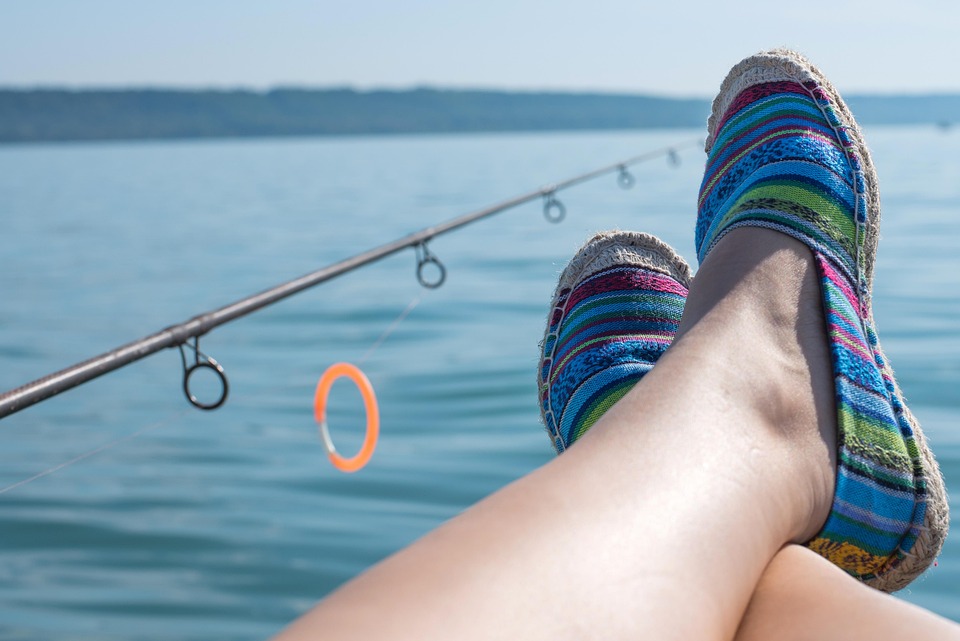

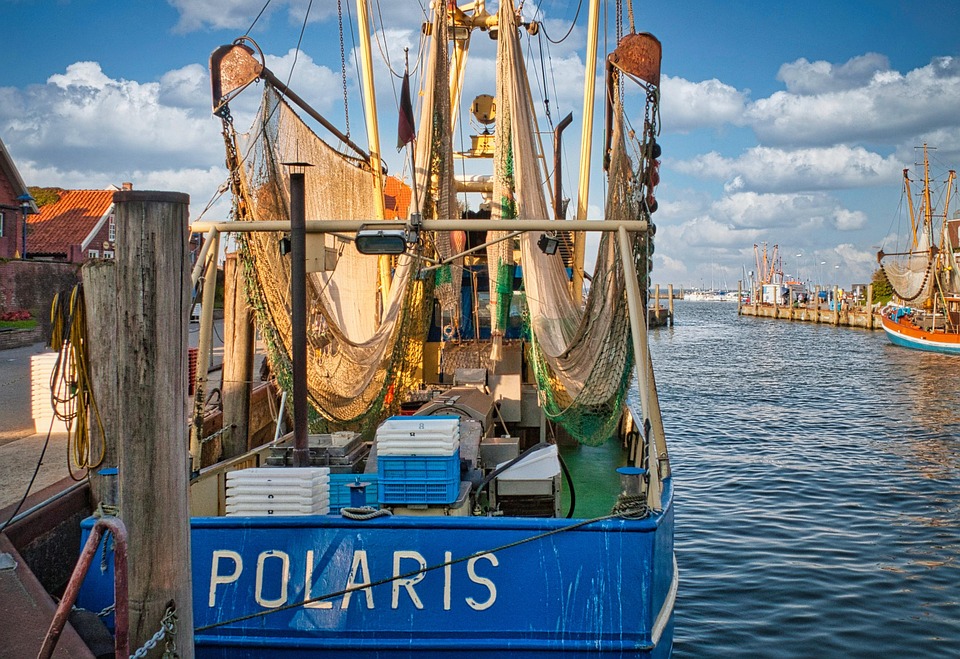
For anglers, there’s nothing more exhilarating than the thrill of a big catch. Whether you’re a professional fisherman or a weekend angler, knowing when to cast your line can make all the difference. Catching fish is influenced by several factors, including seasonal changes, lunar phases, and weather conditions. This article will serve as your comprehensive guide to understanding prime fishing days through a combination of science, tradition, and expert insights.
Understanding Fish Behavior
Before diving into the calendar, it is essential to understand the factors that affect fish behavior. Fish are cold-blooded animals, which means their activity levels are primarily influenced by changes in temperature, light, and external weather conditions.
Temperature
The temperature of the water plays a crucial role in determining fish behavior. Fish tend to be most active when the water temperature falls within their optimal range. This varies by species:
- Trout: 55°F to 65°F
- Bass: 70°F to 80°F
- Pike: 60°F to 70°F
Lighting Conditions
Fish are more likely to feed during dawn and dusk when light conditions are optimal for hunting. Shaded areas and submerged structures like fallen trees or underwater vegetation can also provide cover and attract fish.
Weather Patterns
Fish activity can increase before and after storms when the pressure is dropping and then rising. Overcast days are also considered prime fishing days, particularly for species like bass and walleye, due to the diffuse light conditions. Successful anglers also consider the wind direction and speed, as certain species prefer particular wind conditions.
The Moon’s Influence on Fishing
Many experienced fishermen swear by the lunar phases and their impact on fish behavior. The gravitational pull of the moon affects tidal flows in saltwater bodies and enhances the feeding activity of freshwater fish.
Lunar Phases
- New Moon: Fish tend to feed actively in shallow waters, particularly at night.
- First Quarter: This phase is generally good for fishing during the day.
- Full Moon: Nighttime fishing can be extraordinarily effective as fish are more likely to be near the surface.
- Last Quarter: Fish often return to deeper waters, but there can still be good daytime action.
The Ultimate Calendar for Prime Fishing Days
By taking into account water temperature, weather conditions, and lunar phases, we can formulate a monthly calendar that highlights the best opportunities for fishing.
January to March – Winter Fishing
During the winter months, fish tend to slow their metabolism as temperature drops.
- Best Days: Look out for warmer days following cold spells, particularly during new moons. Pike and walleye fishing can be excellent during this time.
April to June – Spring Awakening
As temperatures rise, fish become increasingly active, particularly in freshwater bodies.
- Best Days: New and full moons are excellent times for fishing, especially for bass as they move into shallow waters for spawning.
July to September – Summer Peak
Summer provides some of the best fishing opportunities, particularly in warmer water.
- Best Days: Fish tend to feed heavily in early morning and late evening. New moons and solid cloud cover boost success rates.
October to December – Fall Transition
As temperatures drop again, fish are preparing for winter, leading to an aggressive feeding frenzy.
- Best Days: Full moons can lead to excellent fishing. The transition from shallow to deeper waters is critical during this time.
Expert Tips for Maximizing Your Fishing Trips
Now that you have an understanding of prime fishing days, here are a few expert tips to ensure you make the most of your time on the water:
- Equipment: Ensure your fishing gear is in top condition. This includes sharpening hooks and checking the functioning of your reel.
- Bait Selection: Use local bait that mimics the natural food source of your target species. Live bait often yields better results than lures.
- Hydration and Nutrition: Stay hydrated and pack snacks. Fishing can be physically demanding, and keeping your energy levels up is crucial.
- Patience and Adaptability: If you’re not catching anything, don’t hesitate to change your spot or bait. Sometimes, it’s about trial and error.
Conclusion
The thrill of fishing is not just about the catch but the entire experience. Understanding the factors that influence fish behavior significantly enhances your chances of having a successful fishing trip. From the seasonal cycles to the moon’s influence, by consulting this guide and adapting your strategies, you can ensure that when the big ones bite, you’re ready to reel them in. So gear up, mark your calendars, and prepare for an exciting fishing adventure!
FAQs
1. What is the best time of day to fish?
The best times are typically early morning and late evening, especially during dawn and dusk when fish are most active.
2. Does the weather affect fishing?
Yes, fishing tends to improve before and after storms, and overcast days can lead to better visibility and feeding conditions for fish.
3. How often should I check lunar phases for fishing?
For optimal results, you should check the lunar phases monthly and plan your trips accordingly, particularly around new and full moons.
4. Is live bait better than lures?
Many anglers find that live bait is more effective as it mimics the natural food sources of fish, leading to increased chances of a catch.
5. What should I bring on a fishing trip?
Essential items include fishing gear, bait, weather-appropriate clothing, hydration, snacks, a first aid kit, and sunscreen.
- bait fishing seasons
- bass fishing seasons
- best fishing times
- bluegill fishing seasons
- carp fishing seasons
- catfish fishing seasons
- crappie fishing seasons
- fishing seasons
- fly fishing seasons
- inshore fishing seasons
- jigging seasons
- marlin fishing seasons
- muskie fishing seasons
- offshore fishing seasons
- panfish fishing seasons
- pike fishing seasons
- popping seasons
- sailfish fishing seasons
- salmon fishing seasons
- seasonal fishing for beginners
- seasonal fishing guides
- seasonal fishing guides worldwide
- seasonal fishing strategies
- seasonal fishing tips
- shark fishing seasons
- spinning fishing seasons
- trolling seasons
- trout fishing seasons
- tuna fishing seasons
- walleye fishing seasons
- zander fishing seasons








Leave a comment