










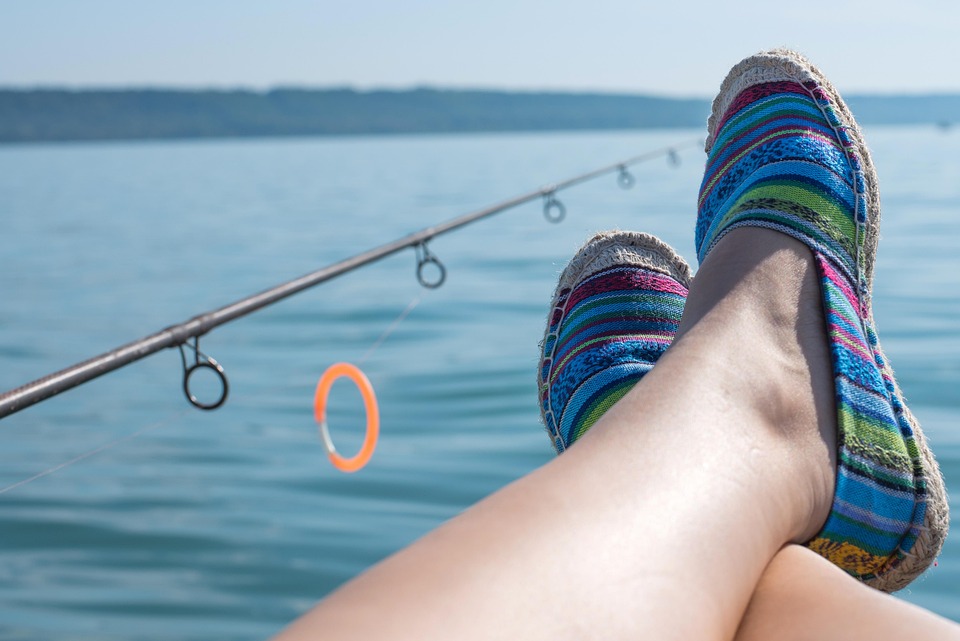


When it comes to angling, few species ignite the thrill of the chase quite like the northern pike. Known for their ferocious appetite, sharp teeth, and aggressive nature, these apex predators are a top target for anglers seeking not just a catch, but an exhilarating experience. As we delve into the intricacies of pike fishing, we will explore essential techniques, preferred habitats, bait choices, and tackle strategies that can dramatically increase your odds of success.
The Allure of the Northern Pike
The northern pike, scientifically known as Esox lucius, inhabits a diverse range of freshwater habitats across North America, Europe, and Asia. They are opportunistic feeders, consuming an array of prey including smaller fish, amphibians, and even smaller mammals. What sets pike apart is not just their size—often exceeding 40 inches—but their aggressive strikes and hunting behavior, making them a prized catch for sport anglers.
Understanding Pike Habitat
Before casting your lure, it’s crucial to understand where pike thrive. Typically, northern pike prefer shallow waters with plenty of vegetation. This includes:
- Weedy Bays: Dense aquatic plants provide cover for pike as they ambush prey.
- Sand & Gravel Bottoms: These areas are often breeding grounds for prey fish.
- Riprap and Fallen Trees: Structure offers hiding spots and ambush points for predators.
- Warm Shallows: Pike are more active in warmer waters, especially during spring and summer months.
Pike Fishing Techniques
1. Trolling
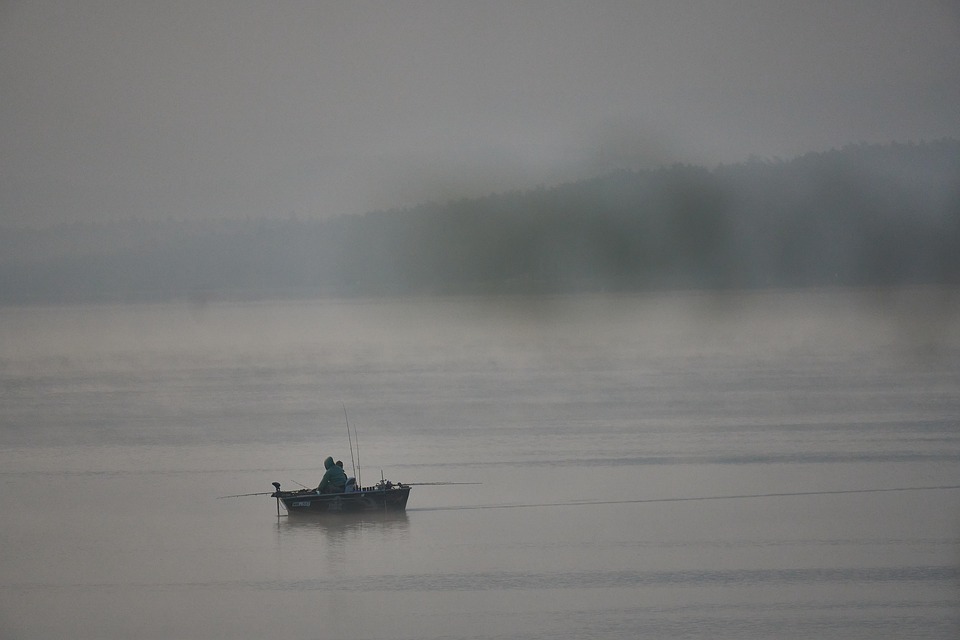
Trolling is a highly effective technique for covering large areas of water and locating pike. It involves dragging lures behind a moving boat at variable speeds. Key considerations include:
- Speed: A speed between 2-4 mph often works best.
- Depth: Use weighted lures or planers to reach desired depths.
- Location: Focus on deep weed edges and drop-offs, which are prime pike habitats.
2. Casting
Casting lures into potential hotspots allows for a more targeted approach. Effective casting techniques include:
- Choosing the Right Lure: Large spoons, spinnerbaits, and topwater lures are particularly effective.
- Varied Retrieval: Experiment with different retrieval speeds and patterns to entice bites.
- Finesse Techniques: In clear water, switch to smaller, more natural-looking lures for a stealthy approach.
3. Fly Fishing
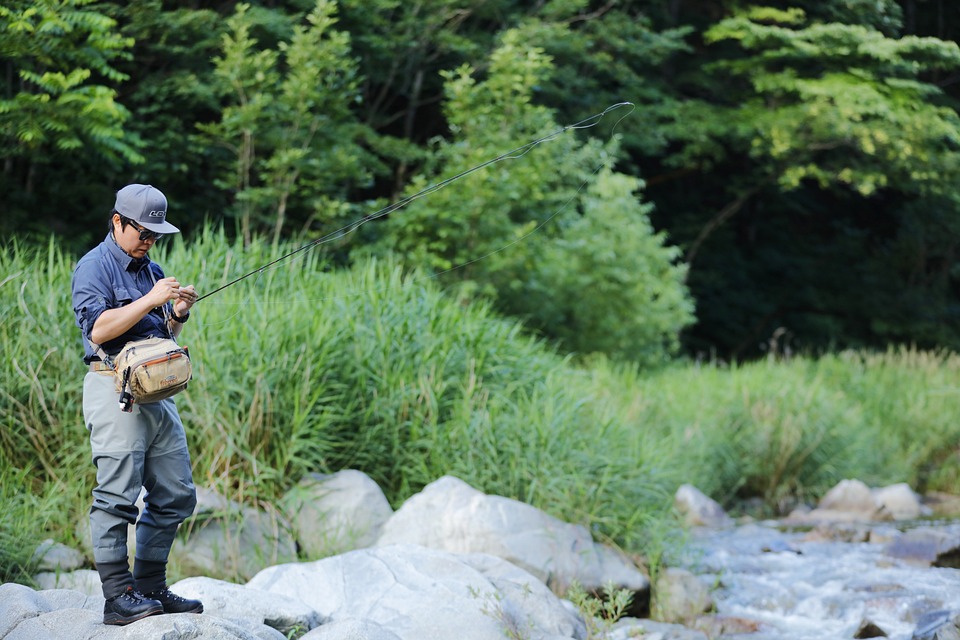
For those seeking a challenge, fly fishing for pike can be incredibly rewarding. Utilizing heavy, flashy flies that imitate baitfish or frogs, anglers can entice this ferocious predator. Recommendations include:
- Appropriate Gear: A sturdy 8-10 weight rod and strong leader material are essential.
- Presentation: Cast near vegetation and retrieve rapidly, mimicking distressed prey.
- Timing: Early morning and late evening are prime times for pike feeding.
Bait and Tackle Considerations
Choosing the right bait and tackle setup can make a significant difference in your success rate. Here’s what you need:
Bait Choices
Live bait can often outperform lures in terms of attracting pike. Options include:
- Live Minnows: Size varies depending on the time of year, but larger minnows often work well.
- Cut Bait: Pieces of fish are effective when fished near areas known for pike activity.
- Artificial Lures: Large spoons, jerkbaits, and buzzbaits that imitate prey are highly successful.
Tackle Setup
Using the right gear is vital to handle the strength and tenacity of pike:
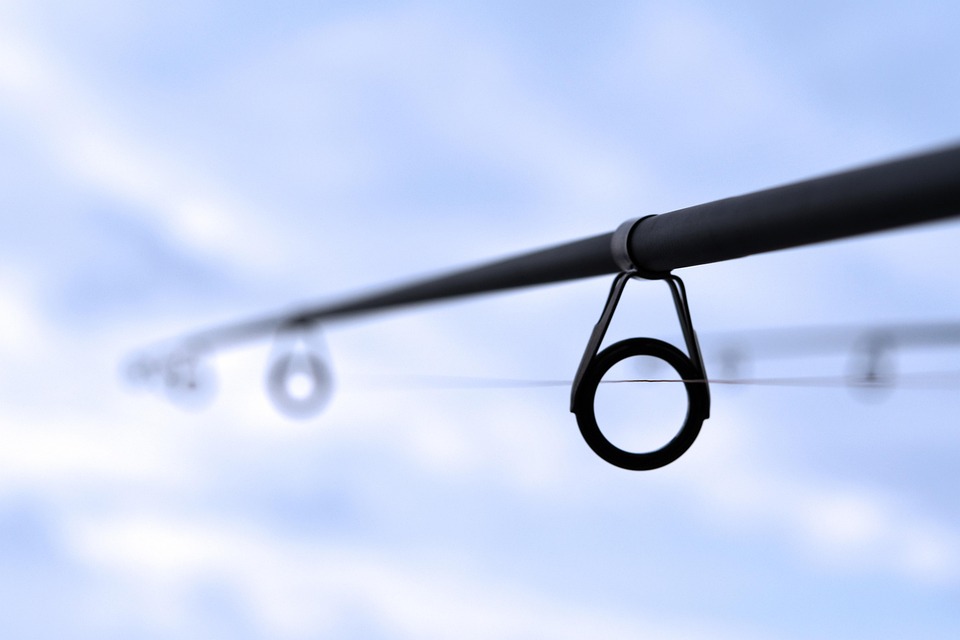
- Rods: A medium to heavy action rod allows you to handle strikes and control larger fish.
- Reels: A quality baitcasting reel can provide the necessary strength and line capacity.
- Line: Use a braided line for durability and sensitivity; a steel leader is advisable to avoid bite-offs.
Seasonal Strategies
The behavior of pike can vary significantly with the seasons, requiring anglers to adapt their techniques accordingly:
Spring
- As the ice melts and water warms, pike migrate into shallow areas to spawn.
- Jigs and live bait are particularly effective during this time.
Summer
- Pike tend to move deeper as the temperatures rise.
- Focus on early morning and late evening when pike are most active.
Fall
- Pike feed aggressively to prepare for winter.
- Use larger lures and fish near structures where bait are concentrated.
Winter
- Ice fishing can be quite successful but requires a different approach.
- Use tip-ups with live bait or large jigs to attract pike beneath the ice.
Conclusion
Chasing northern pike combines skill, patience, and a bit of luck, along with an understanding of these dramatic predators. By mastering various fishing techniques, selecting the appropriate gear, and adapting to seasonal changes, anglers can significantly enhance their chances of success. Whether you’re casting from the shore, trolling from a boat, or trying your hand at fly fishing, the thrill of hooking a hefty pike remains a hallmark of freshwater angling. Embrace the adventure, learn from each fishing trip, and enjoy the exhilarating world of pike fishing.
FAQs
- bass fishing
- Bluegill Fishing
- carp fishing
- catfish fishing
- Crappie Fishing
- freshwater angling
- freshwater bait fishing
- freshwater fishing
- freshwater fishing gear
- freshwater fishing guides
- freshwater fishing species
- freshwater fishing techniques
- freshwater fishing tips
- freshwater fly fishing
- freshwater spinning fishing
- inland fishing
- lake fishing
- lakes fishing
- largemouth bass fishing
- muskie fishing
- panfish fishing
- Perch Fishing
- pike fishing
- pond fishing
- reservoir fishing
- reservoirs fishing
- river fishing
- rivers fishing
- Salmon Fishing
- smallmouth bass fishing
- stream fishing
- Tilapia Fishing
- Trout Fishing
- Walleye Fishing









Leave a comment