

















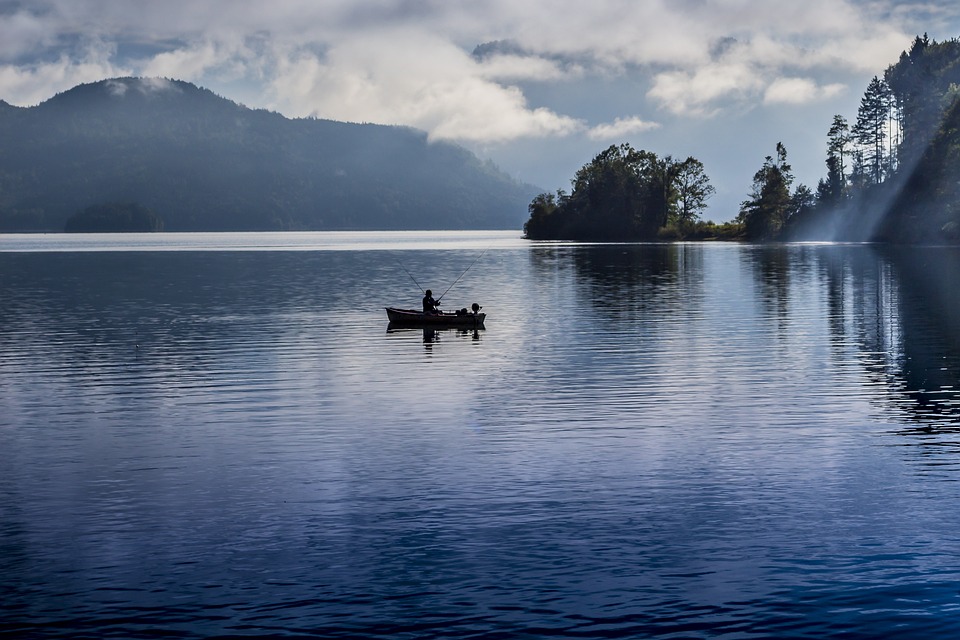
If you’ve considered picking up a fishing rod and experiencing the serene joys of casting your line into glistening waters, you’re not alone. Fishing has captivated millions with its mix of skill, strategy, and relaxation. Whether you’re hoping to catch dinner or simply enjoy nature, this guide will set you on the path to fishing success.
The Appeal of Fishing
Fishing is not just a sport; it’s a way of life for many individuals. It offers a unique combination of tranquility and excitement. For beginners, it serves as a wonderful gateway to the outdoors, providing endless opportunities for exploration. Moreover, many studies indicate that spending time in nature can help reduce stress, improve mood, and promote mental well-being.
Understanding Fishing Basics
- Types of Fishing: The most common types include freshwater and saltwater fishing. You may also choose between methods such as lure fishing, fly fishing, and bait fishing.
- Fishing Gear: Your primary equipment includes rods, reels, lines, hooks, and bait. Each component plays a crucial role in your fishing success.
- Licenses and Regulations: Before you head out, check local fishing regulations to ensure you have the necessary licenses and know the rules regarding catch limits and protected species.
Essential Gear for New Anglers
The right gear can make all the difference. Here’s a basic list for beginners:
- Fishing Rod and Reel: A medium-action rod paired with a spinning reel is ideal for beginners. It provides versatility to handle different types of fish.
- Fishing Line: Monofilament lines are easy to use and recommended for novices, with a 10-15 pound test line being a good starting point.
- Hooks: Start with size #6 to #10 hooks, suitable for most freshwater fish.
- Bait: Live bait like worms or minnows, or artificial lures, can be equally effective depending on your target species.
- Accessories: Don’t forget pliers, a tackle box, and a fishing net for handling your catch.
The Art of Casting
Once you have your gear sorted, it’s time to learn the casting technique, a fundamental skill every angler must master.
Basic Casting Technique:
- Start with your rod pointing down, holding the reel with your dominant hand, and the rod’s handle with the other.
- Press the button on the reel and pull the rod backward over your shoulder.
- In a smooth motion, bring the rod forward, releasing the line at the peak of the forward motion.
- Keep an eye on where your bait lands and be ready to reel in.
Choosing the Right Fishing Location
Your success often hinges on where you’re fishing. Here are some key aspects to consider:
- Freshwater Spots: Lakes, rivers, and ponds are perfect starting points. Visiting areas known to hold fish can save time and frustration.
- Saltwater Locations: Beaches, piers, and inlets offer diverse fishing environments. Saltwater fishing often provides larger fish species.
- Timing: Fish are usually most active early in the morning and late in the evening.
Understanding Fish Behavior
To increase your chances of catching fish, it’s important to understand their behavior:
- Feeding Patterns: Different species have different feeding habits. Research the type of fish you’re targeting to learn about their preferred bait.
- Weather Effects: Fish tend to feed more actively before a storm or on overcast days. Conversely, bright sunny days may cause fish to seek shade.
Patience and Persistence
One of fishing’s greatest lessons is patience. It’s common for beginners to spend hours without a single bite. The key is to stay relaxed and enjoy the experience. Remember that every fishing trip is a learning opportunity, regardless of how many fish you catch.
Practicing Ethical Fishing
As responsible anglers, it’s crucial to practice ethical fishing methods:
- Catch and Release: If you’re not planning to keep your catch, handle the fish gently and return it to the water promptly.
- Environmental Awareness: Dispose of trash appropriately and respect the natural habitats you encounter.
Conclusion
As you venture into the world of fishing, remember that each cast is a chance to learn and connect with nature. With the right gear, techniques, and mindset, you will not only enhance your skill set but also enjoy enriching experiences. Fishing is about relaxation, exploration, and mindfulness, so take your time, be patient, and relish every moment spent by the water.
FAQs
What type of fishing rod should I buy as a beginner?
A medium-action spinning rod is the best choice for beginners because it is versatile and easy to use.
What fish can I target as a beginner?
Beginner-friendly species include bluegill, catfish, and bass, as they are widely available and relatively easy to catch.
Do I need a fishing license?
Yes, in most areas, you need a fishing license. Check local regulations to ensure compliance.
What is the best time of year to start fishing?
Spring and summer are the best times for beginners, as fish are more active and accessible during these seasons.
Is it better to use live bait or lures?
Both have their advantages. Live bait often attracts more fish, while lures can be more convenient and allow for varied techniques.
- beginner bass fishing
- beginner carp fishing
- beginner catfish fishing
- beginner fishing advice
- beginner fishing baits
- beginner fishing gear
- beginner fishing guides
- beginner fishing guides online
- beginner fishing knots
- beginner fishing lures
- beginner fishing mistakes
- beginner fishing reels
- beginner fishing rods
- beginner fishing strategies
- beginner fishing techniques
- beginner fishing tips
- beginner fishing trips
- beginner fishing tutorials
- beginner fishing videos
- beginner fly fishing
- beginner freshwater fishing
- beginner muskie fishing
- beginner panfish fishing
- beginner pike fishing
- beginner saltwater fishing
- beginner trout fishing
- fishing basics
- fishing for beginners
- how to fish
- new anglers tips









Leave a comment