












The ocean, a realm both mesmerizing and mysterious, continues to intrigue humanity, particularly in the realm of big game fishing. On this frontier, fishermen and women dedicate their lives pursuing what are often referred to as the “Monsters of the Deep.” These majestic creatures, ranging from the elusive marlin to the colossal squids, evoke awe and fear, highlighting the profound connection between humans and the aquatic world. But what draws individuals to this perilous and exhilarating pursuit? This exploration dives into the narratives entwined with big game angling, the science behind these captivating creatures, and the environmental challenges they face.
The Allure of Big Game Fishing
Big game fishing is not simply a sport; it’s a rite of passage for many. The adrenaline rush of battling with a 1,000-pound fish is an experience like no other. For some, it represents a challenge—one that requires immense skill, patience, and a connection to the sea that few will ever comprehend.
Personal Stories from the Water
Individuals who take on this challenge often have interesting tales to tell. For instance, renowned angler Captain Greg K. Chapman narrates the time he hooked a 800-pound marlin just off the coast of Cabo San Lucas. After hours of toiling against the fish’s might, he noted, “It’s the kind of struggle that makes you question your life choices, but every moment is worth it once you see that beast rise from the waves.”
Such stories populate the world of big game angling, fostering a strong sense of community among its enthusiasts. They share advice, techniques, and anecdotes that not only bond them but also perpetuate the myths and legends surrounding these “monsters” lurking beneath the waves.
The Species: Giants of the Ocean
From the high seas to the diverse ecosystems of the coastal waters, each region presents opportunities to catch a variety of species. Let’s take a closer look at some of the most sought-after monsters:
- Blue Marlin: Known for their size and leaping ability, blue marlins can grow up to 1,800 pounds and are often hailed as the ultimate big game fish.
- Great White Shark: The sleek silhouette of a great white can send shivers down the spine of any angler. These formidable predators can weigh over 2,000 pounds.
- Goliath Grouper: These hulking fish can reach weights of up to 800 pounds, perfect for those who cherish both the thrill and the culinary delight.
- Black Marlin: Recognized for their strength, black marlins can put up a thrilling fight, often weighing over 1,500 pounds.
- Swordfish: The swordfish, with its unique bill-like protrusion, impresses anglers with both its beauty and its formidable fighting spirit.
The Science Behind the Monsters
While stories abound in the angling community, understanding these species’ biology and behavior can greatly enhance fishing success. Marine biologists have extensively studied these creatures, helping to demystify some of their more elusive habits.
The Feeding Patterns
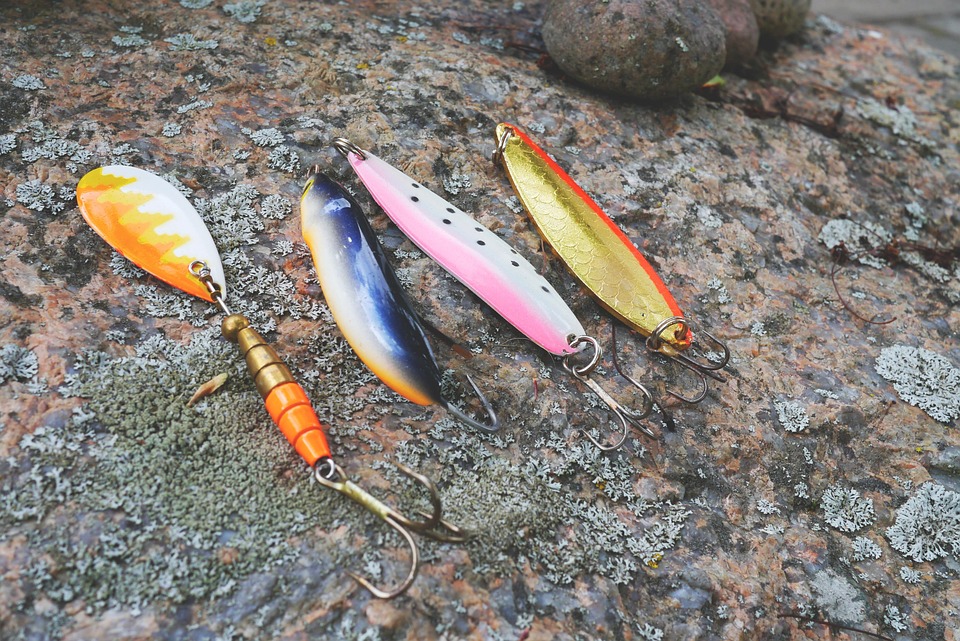
Many of the monsters of the deep exhibit intriguing feeding behaviors. For example, blue marlins are opportunistic feeders, often preying on smaller fish like mackerel and squid. Understanding these patterns allows anglers to strategize their fishing approach, tailoring lures and tactics to match what the fish are already hunting.
Biodiversity and Ecosystem Health
The presence of large predatory fish like marlin and sharks serves critical roles in maintaining the ocean’s ecosystem. These species help regulate populations of smaller fish, ensuring biodiversity thrives. Fishermen often embody stewardship, advocating for sustainable fishing practices to protect these majestic creatures. The crucial balance lies in recognizing the importance of these apex predators, and many anglers now adhere to catch-and-release protocols.
The Environmental Challenges
As much as big game fishing is about thrill and adventure, it also raises significant concerns regarding conservation. Overfishing, climate change, and pollution pose serious threats to the oceans and its inhabitants. According to the World Wildlife Fund (WWF), many big game species, including marlins and sharks, are increasingly endangered due to unsustainable fishing practices.
Rising Temperatures and Ocean Acidification
The increase in global temperatures leads to alterations in marine habitats. Coral reefs, crucial breeding grounds for many fish species, are bleaching at alarming rates, affecting everything from tiny reef fish to large pelagic species. As habitats change, the migratory patterns of big game fish are also affected, creating new challenges for anglers trying to track their quarry.
Advocacy and Action
The angling community is awakening to these challenges, with many taking active roles in conservation efforts. Organizations like The Billfish Foundation and Oceana work on various initiatives aimed at protecting the habitats of big game fish through education, advocacy, and scientific research. The mantra is simple: protect the oceans, and they will continue to provide endless adventure.
Conclusion
The stories from the big game angling frontier are not just about the chase for monsters beneath the waves; they intertwine tales of adventure, awe, conservation, and community. The pursuit of these majestic creatures signifies much more than just a leisure activity—it’s a deep connection with nature and a commitment to preserving it for future generations. As we navigate the complexities of the modern world, the call of the ocean remains strong, reminding us to respect and protect the deep blue. Big game angling is not merely a sport, but a profound journey that showcases the beauty and fragility of our oceans.
FAQs
1. What equipment do I need for big game fishing?
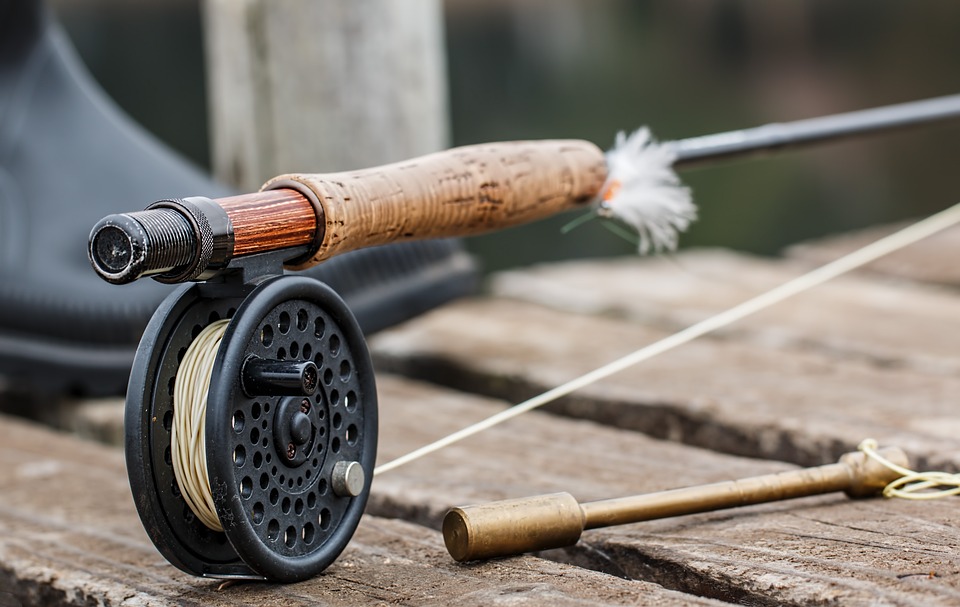
Standard gear includes heavy-duty rods, reels with high line capacity, and specialized fishing tackle suited to the species you are targeting, such as trolling lures or live bait.
2. Where can I go big game fishing?
Popular locations include the coast of Florida, Cabo San Lucas in Mexico, the Great Barrier Reef in Australia, and various areas in the Caribbean.
3. Is big game fishing sustainable?
While big game fishing can be sustainable, it largely depends on adherence to responsible practices, such as catch-and-release, using the right tackle, and following local regulations to protect fish populations.
4. What types of fish are considered “monsters of the deep”?
Monsters of the deep generally refer to large species like marlin, sharks, and giant grouper, although some also consider deep-sea species like colossal squid as part of this category.
5. How can I get involved in conservation efforts?
Joining local fishing clubs, participating in clean-up initiatives, supporting conservation organizations, and practicing sustainable fishing are great ways to get involved.
- big game angling
- big game fishing
- big game fishing baits
- big game fishing destinations
- big game fishing gear
- big game fishing guides
- big game fishing lures
- big game fishing reels
- big game fishing rods
- big game fishing tactics
- big game fishing techniques
- big game fishing trips
- bluewater fishing
- deep ocean fishing
- deep sea fishing
- giant trevally fishing
- kingfish fishing
- mahi mahi fishing
- marlin fishing
- monster fish fishing
- offshore fishing
- offshore trolling
- pelagic fishing
- sailfish fishing
- shark fishing
- sportfishing offshore
- swordfish fishing
- trophy fishing
- tuna fishing
- wahoo fishing










Leave a comment