







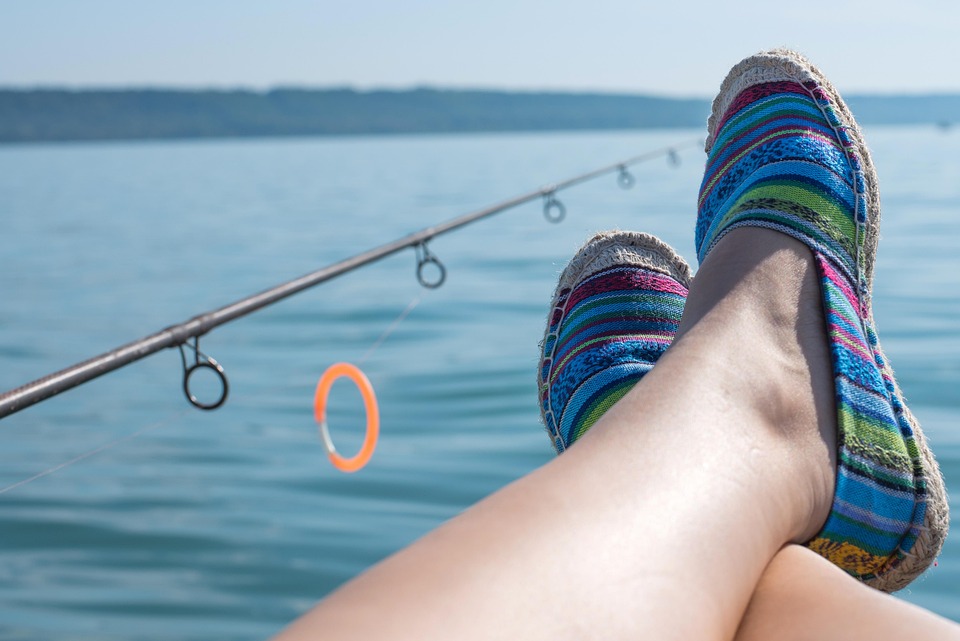


Fishing is more than just a pastime; it’s a tranquil escape into nature where the rhythm of the water and the thrill of pursuing fish converge. For beginners, embarking on this adventure can be both exciting and overwhelming. With numerous fishing techniques, tackle options, and environmental considerations, it’s crucial to equip yourself with knowledge before you cast your first line. This article serves as your comprehensive roadmap to navigate the joys of fishing.
Understanding the Basics of Fishing
Before diving into the hands-on aspects of fishing, it’s essential to understand its foundational components:
- Fish Species: Familiarize yourself with the various types of fish you may encounter in your region. Common beginners’ targets include bass, trout, sunfish, and catfish.
- Fishing Techniques: Different techniques include spin fishing, fly fishing, and bait fishing. Each method has its own learning curve and specific equipment.
- Seasons and Timing: Fish behave differently depending on the season, time of day, and weather conditions. Learning optimal times can significantly increase your chances of success.
Choosing the Right Gear
Your fishing experience heavily relies on having the right equipment. Here’s a breakdown of the essential gear you’ll need:
1. Fishing Rod and Reel
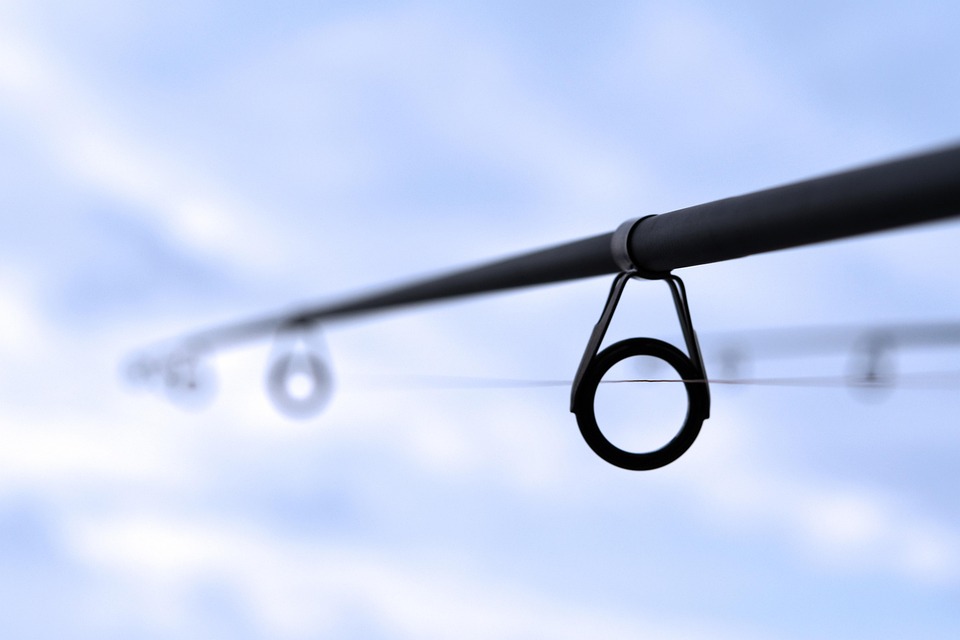
The most fundamental tools are the fishing rod and reel. For beginners, a spinning rod and reel combo is recommended for its simplicity and versatility.
- Rod Length: A rod length between 6 and 7 feet is ideal for a beginner, providing a good balance between casting distance and control.
- Reel Size: A size 2000-2500 spinning reel works well for freshwater fishing, accommodating varying line capacities.
2. Fishing Line
Your line serves as the connection between you and the fish. Monofilament line is favored for beginners due to its ease of use. A line test of 6-12 pounds is sufficient for most freshwater fish.
3. Hooks and Lures
Choosing the right hooks and lures is critical. For beginners:
- Hooks: Use size 6-10 hooks, which are versatile for various bait types.
- Lures: Start with a few basic lures like spinners and plastic worms, which can attract a wide range of species.
4. Bait
Live bait, such as worms or minnows, can be effective and is often easier for beginners to use than artificial lures.
Learning the Techniques
Having the right gear is just the beginning. The techniques you employ can make or break your fishing adventure:
1. Casting Techniques
Mastering the cast is fundamental. Practice basic techniques such as:
- Overhead Cast: A straightforward casting method that allows for accuracy and distance.
- Sidearm Cast: Useful for casting under obstacles, such as overhanging trees.
2. Retrieving Techniques
Understanding how to retrieve your line is crucial for attracting fish. Techniques include:
- Slow Retrieve: Pausing and dragging the lure through the water mimics natural prey movement.
- Fast Retrieve: Quick movements can provoke reaction bites from aggressive species.
3. Setting the Hook
Once a fish bites, how you set the hook can determine the outcome. A quick upward jerk of the rod will help sink the hook into the fish’s mouth, ensuring a solid catch.
Understanding the Environment
Fishing isn’t only about the gear and technique; it’s also about understanding the environment:
1. Water Types
Freshwater options, such as lakes, rivers, and ponds, require different considerations than saltwater fishing. Recognize your local fishing spots and what fish reside in them.
2. Weather Conditions
Elevated fish activity often coincides with overcast skies or early morning hours. Conversely, hot afternoons might see fish retreating to deeper water.
3. Conservation Practices
Adopting responsible fishing practices ensures sustainability. Follow local rules, including size and catch limits, and practice catch and release when possible to protect fish populations.
Preparing for Your First Fishing Trip
With the essentials in place, it’s time to prepare for your first fishing trip. Here’s a checklist to ensure a smooth experience:
- Research Your Location: Understand local fishing regulations and hotspots. Websites and local bait shops are great resources.
- Pack Your Gear: Ensure your tackle box is stocked with the essentials. Don’t forget items like pliers, a fishing knife, and a first-aid kit.
- Check the Weather: On the day of your trip, confirm favorable weather conditions to enhance bite chances.
Safety and Etiquette
Fishing comes with its safety considerations. Emphasize wearing a life jacket when on a boat and keep your sun protection handy. Additionally, follow fishing etiquette:
- Respect fellow anglers and give them space.
- Avoid leaving litter at your fishing spot.
- Be mindful of wildlife and their habitats.
Conclusion
Fishing is a journey that offers not just the thrill of the catch but also peace, relaxation, and a deeper connection to nature. By understanding the basics, choosing the right gear, mastering techniques, and respecting the environment, you’ll set yourself up for memorable fishing adventures. Remember that every outing holds lessons, and with patience, persistence, and practice, you’ll soon find yourself reeling in success on your fishing expeditions.
FAQs
1. What is the best time of day to fish?
Typically, early morning and late evening hours are the most productive for fishing, as fish are more active during these times.
2. Do I need a fishing license?
Yes, fishing licenses are required in most states and countries. Check local regulations to ensure compliance.
3. How can I improve my casting accuracy?
Practice is key. Start with shorter casts and gradually increase distance as your accuracy improves. Using a lighter lure can also assist in better control.
4. What should I do if I catch a fish I don’t want to keep?
If you catch a fish you wish to release, handle it gently, using wet hands to minimize damage, and return it to the water as quickly as possible.
5. Can I learn fishing techniques from online tutorials?
Absolutely! Online resources, including videos and forums, can provide valuable insights and tips for beginners.
- beginner bass fishing
- beginner carp fishing
- beginner catfish fishing
- beginner fishing advice
- beginner fishing baits
- beginner fishing gear
- beginner fishing guides
- beginner fishing guides online
- beginner fishing knots
- beginner fishing lures
- beginner fishing mistakes
- beginner fishing reels
- beginner fishing rods
- beginner fishing strategies
- beginner fishing techniques
- beginner fishing tips
- beginner fishing trips
- beginner fishing tutorials
- beginner fishing videos
- beginner fly fishing
- beginner freshwater fishing
- beginner muskie fishing
- beginner panfish fishing
- beginner pike fishing
- beginner saltwater fishing
- beginner trout fishing
- fishing basics
- fishing for beginners
- how to fish
- new anglers tips








Leave a comment