








Fishing is one of the oldest activities known to humanity, dating back thousands of years. From ancient civilizations to modern-day enthusiasts, the pursuit of fish has always provided sustenance, relaxation, and even competition. However, as modern anglers, we are faced with numerous challenges that require innovation and strategy. Whether you are a weekend warrior or a seasoned pro, employing smarter techniques can significantly enhance your fishing experience.
Understanding Your Target Species
Before you cast your line, it’s essential to understand what you are trying to catch. Different fish species have unique behaviors, habitats, and feeding patterns; knowledge in these areas can be your best tool.
- Research Species Behavior: Are you targeting bass, trout, or maybe catfish? Each species reacts differently to weather changes, time of day, and seasonality. Many fish become more active during dawn and dusk.
- Know the Seasons: Fish often migrate or change feeding habits with the changing seasons. For instance, during summer, fish tend to stay deeper in cooler water, while in winter, they may be found in shallower areas as they search for warmth.
- Feeding Patterns: Understanding what your target species eats can inform your bait choice. Research local forage fish, insects, or other food sources prevalent in the waters you’re fishing.
Choosing the Right Gear
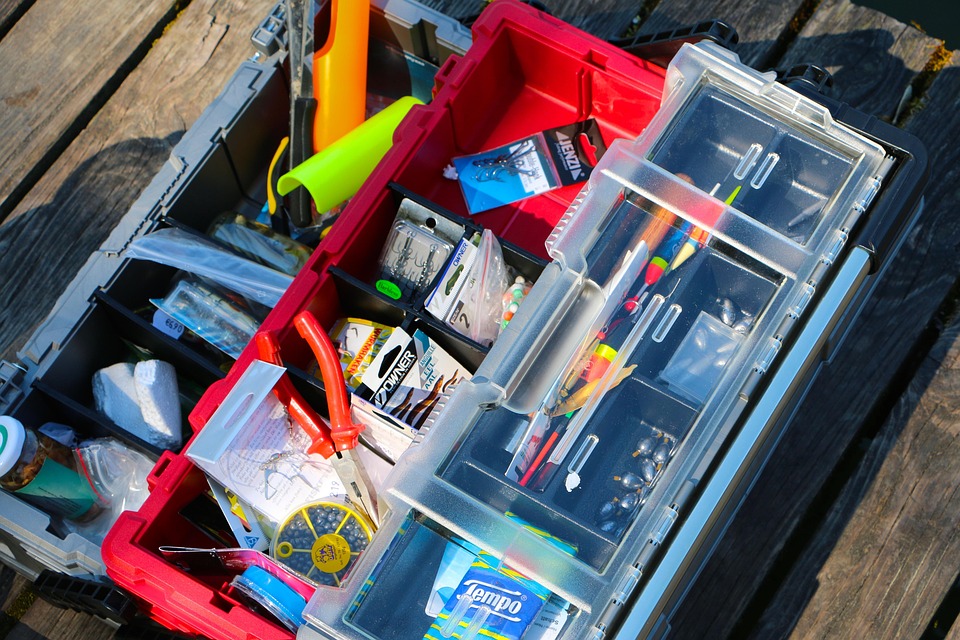
Once you know your target, picking the right gear is crucial for a successful fishing trip. The wrong equipment can lead to frustration and lost opportunities.
- Rod and Reel: Choose a rod and reel combination suitable for the type of fishing you’re doing. Light gear is typically better for delicate species, while heavy gear is needed for larger, stronger fish.
- Line Selection: The type of fishing line influences how stealthy your catch is. Monofilament is easy to manage, braided line offers significant strength, while fluorocarbon is nearly invisible underwater.
- Baits and Lures: Research the best baits for your target fish, remembering to adapt your lure based on the current conditions, such as water clarity and temperature.
The Importance of Location
Not all bodies of water are created equal. Knowing where to fish can dramatically increase your catch rate. Here are some tips to help you find the best spots:
- Structure and Cover: Fish tend to hide in structures like rocks, submerged trees, and weeds. Look for locations with plenty of cover where fish can ambush their prey.
- Water Temperature: Fish are cold-blooded and their activity levels fluctuate with water temperature. Use a fish finder or thermometer to determine where the water is at the ideal temperature for your target species.
- Current and Tides: For saltwater fishing, factor in the tides. Fish often feed more aggressively just before or after a tide change.
Mastering Techniques
Using the right technique can significantly enhance your fishing game. Here are some techniques to keep in mind:
- Cast with Purpose: Whether using a spinning reel or baitcaster, ensure your casts are precise. Practice until you can hit your target consistently.
- Retrieve Techniques: Vary your retrieve speed and patterns. Experiment with stops, starts, and jerks to trigger more strikes.
- Patience: Waiting for the right moment is key. Often, fish might be shy and take their time to approach bait.
Utilizing Technology
In today’s digital age, technology can be an angler’s best ally. Leverage technology to gain an edge on your next fishing trip.
- Fish Finders: Modern fish finders use sonar to locate fish underwater. They can save hours of searching.
- Apps and Websites: Utilize fishing apps to track weather conditions, tidal movements, and even to get advice from fellow anglers.
- GoPro and Action Cameras: Documenting your fishing trips can provide insight into what works and what doesn’t, assisting in refining your strategies over time.
Practicing Ethical Fishing
Smarter fishing is not just about catching more fish; it’s also about protecting our aquatic ecosystems. Ethical fishing practices ensure that we can continue to enjoy this activity for generations.
- Catch and Release: When possible, practice catch and release, ensuring that fish are properly handled to increase their chance of survival.
- Follow Regulations: Always be aware of local fishing laws, including size limits and seasonal closures.
- Leave No Trace: Respect the environment by cleaning up after yourself and avoiding harmful practices that damage habitats.
Conclusion
In the world of fishing, the age-old mantra remains true: it’s not about the quantity you catch, but the quality of the experience. By focusing on smarter techniques, understanding your target species, utilizing technology, and upholding ethical practices, every angler can enhance their fishing experience and contribute to a sustainable future. So pack your gear, hit the water, and remember these tips as you embark on your next fishing adventure.
FAQs
What is the best time of day to fish?
The best times to fish are typically early morning and late evening when fish are most active. However, conditions can vary based on the time of year and local species.
Do I need a fishing license?
Yes, in most places, anglers are required to have a fishing license. Be sure to check local regulations to procure the necessary licenses and permits.
What is the best bait for beginners?
For beginners, live bait such as worms, minnows, or crickets is often effective. They appeal to a wide variety of species and are easy to use.
How can I improve my casting skills?
Practicing in a controlled environment can improve your casting. Focus on your stance and ensure your reel and rod are in sync for better accuracy and distance.
- fishing bait tips
- fishing gear hacks
- fishing hacks
- fishing knot guides
- fishing knot techniques
- fishing knot tying
- fishing knots
- fishing knots for advanced
- fishing knots for beginners
- fishing leader knots
- fishing line knots
- fishing loop knots
- fishing lure tips
- fishing rig guides
- fishing rig hacks
- fishing rig setups
- fishing rig tips
- fishing rig tricks
- fishing rigs
- fishing strategies
- fishing techniques
- fishing tips
- fishing tips and tricks
- fishing tips for beginners
- fishing tips for experts
- fishing tips for freshwater
- fishing tips for saltwater
- fishing tips online
- fishing tricks
- fishing tricks for better catch











Leave a comment