















When it comes to catching trout, two popular techniques stand out: fly fishing and spin fishing. Each method has its ardent followers, producing lively debates among anglers about which is the best approach. While both methods have their merits, they differ significantly in technique, equipment, and effectiveness. This article dives into the nuances of fly fishing and spin fishing to determine which method truly reigns supreme for catching trout.
The Art of Fly Fishing
Fly fishing is often described as an art form. It involves casting artificial flies made to mimic insects, baitfish, or other food sources that trout might naturally consume. The key principle behind fly fishing is in the presentation. The weight of the line carries the light fly to the trout’s habitat, making accurate casting crucial.
Equipment Overview
The primary tools of fly fishing include:
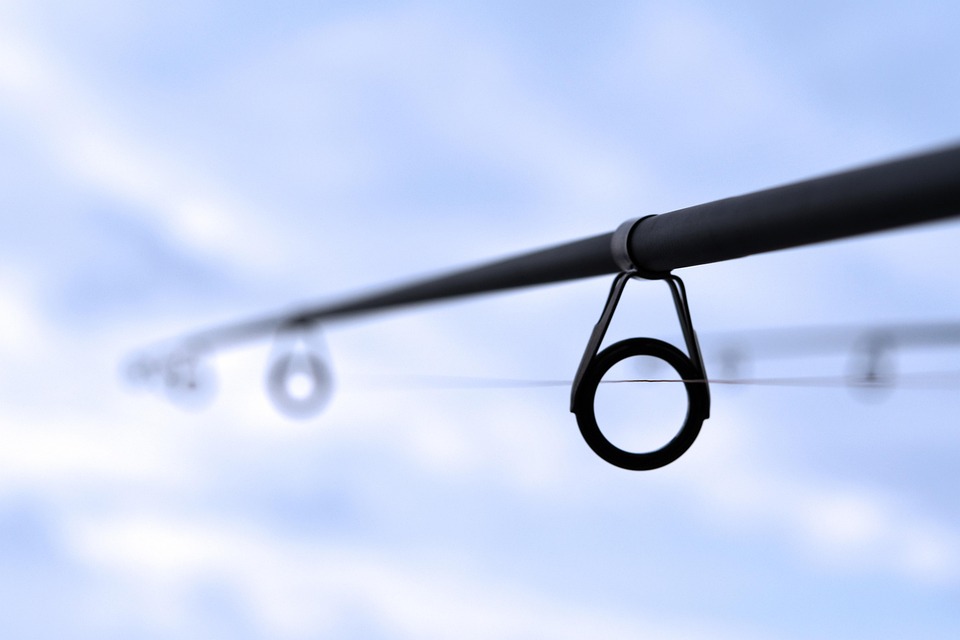
- Fly Rod: Typically longer and more flexible than spin rods, fly rods are designed to provide better control over the fly’s presentation.
- Reel: Fly reels hold the line and provide drag but aren’t as crucial as in spin fishing. Many fly anglers prefer simpler, lighter reels.
- Line: Fly lines are heavier and designed to carry the fly. This line acts as both a casting and retrieval mechanism.
- Flies: Wet flies, dry flies, streamers, and nymphs are all common types used in fly fishing, each suited for specific conditions and trout behavior.
Techniques and Strategies
Successful fly fishing revolves around understanding trout behavior and ecology. Anglers must learn when and how to use different fly types, the timing of hatches, and the best water types for trout.
Presentation techniques like “drift,” which mimics natural motion, are fundamental for attracting strikes. Additionally, advanced techniques like “double haul” casting help anglers cover more water effectively and reduce fatigue.
The Dynamics of Spin Fishing
Spin fishing offers a more straightforward approach, making it accessible to novice anglers. Unlike fly fishing, spin fishing employs spinning rods and reels, using heavier tackles such as spinners, spoons, or live bait to attract trout.
Equipment Overview
Key components of spin fishing include:
- Spinning Rod: Shorter and sturdier than fly rods, spinning rods allow for easy casting and the ability to handle heavier lines.
- Reel: A crucial part of spin fishing, the reel provides drag and ease of retrieval, allowing for efficient casting and quick catch-and-release.
- Line: Generally monofilament or braided, the line is robust enough to withstand the rigors of fishing in various conditions.
- Lures/Bait: Spinners, spoons, and live bait are all commonly used in spin fishing, offering a variety of options based on the trout’s feeding habits.
Techniques and Strategies
Spin fishing requires less finesse than fly fishing, making it easier for beginners. The primary technique involves casting lures or bait and reeling them back at varying speeds to entice strikes.
Knowledge of current, structure, and seasonal patterns greatly enhances success rates. Spin anglers often benefit from using structured environments—like rocks or logs—where trout may be hiding.
Comparative Effectiveness
Determining which method is superior often depends on several factors: the environment, the angler’s skill level, and the specific fishing conditions. Here’s a breakdown:
Environment
Fly fishing typically excels in streams and rivers where there’s less obstruction. The lightweight fly can present delicately on calm water surfaces, mimicking natural food sources effectively. Conversely, spin fishing works well in lakes and rivers with heavy vegetation or structure where heavier lures can snag prey amidst cover.
Skill Level and Learning Curve
Fly fishing generally has a steeper learning curve. The importance of mastering the cast, understanding the right fly to use, and the need for stealth makes it a more complex discipline. In contrast, spin fishing is easier for beginners to pick up, allowing them to catch trout quickly without extensive training.
Catch Rates
Both methods have their ardent advocates when it comes to catch rates. Research suggests that experienced fly fishers can catch the same amount of trout as spin fishers, if not more, due to the finesse and presentation quality. However, for beginners and casual fishers, spin fishing may yield better short-term results.
The Fly vs. Spin Fishing Culture
Ayl fishing is as much about the experience and atmosphere as it is about the catch. The solitude and connection to nature resonate deeply with fly fishers. Many participate in fly-tying as a craft and embrace an ethos centered around conservation and catch-and-release practices.
Spin fishing, more broadly embraced, tends to focus on the action of fishing. It can be fast-paced and rewarding, allowing for more catches in shorter duration, making it popular among families and casual anglers looking to enjoy a day outdoors.
Conclusion
Ultimately, the debate between fly fishing and spin fishing is not so much about which method is supreme; it’s about personal preference and the experience you seek. Fly fishing offers a meditative, artistic pursuit that connects you deeply with the water’s ecosystem, while spin fishing provides immediacy and accessibility, making it a great choice for newcomers and families. The best approach is to explore both methods, finding joy in the adventure they both offer. Whether you choose to cast a fly or flick a spin rod, what truly matters is the love for the sport and the thrill of the catch.
FAQs
1. Is fly fishing only for experienced anglers?
No, while fly fishing has a steeper learning curve, many resources and beginner classes are available, making it accessible for newcomers.
2. Can you catch more trout with one method over the other?
Both methods can be effective under different conditions. Experienced anglers in both disciplines can achieve similar catch rates.
3. What type of water is best for each method?
Fly fishing excels in streams and rivers with low obstructions, while spin fishing works well in lakes, rivers, and areas with heavy cover.
4. Are the costs of fly fishing and spin fishing similar?
Costs can vary, but generally, fly fishing can be more expensive due to specialized gear. However, affordable options are available in both disciplines.
5. What is the best time of year for trout fishing?
Trout fishing is often best in spring and fall, but it can vary by region. Understanding local conditions is essential for successful outings.
- bass fishing
- Bluegill Fishing
- carp fishing
- catfish fishing
- Crappie Fishing
- freshwater angling
- freshwater bait fishing
- freshwater fishing
- freshwater fishing gear
- freshwater fishing guides
- freshwater fishing species
- freshwater fishing techniques
- freshwater fishing tips
- freshwater fly fishing
- freshwater spinning fishing
- inland fishing
- lake fishing
- lakes fishing
- largemouth bass fishing
- muskie fishing
- panfish fishing
- Perch Fishing
- pike fishing
- pond fishing
- reservoir fishing
- reservoirs fishing
- river fishing
- rivers fishing
- Salmon Fishing
- smallmouth bass fishing
- stream fishing
- Tilapia Fishing
- Trout Fishing
- Walleye Fishing















Leave a comment