











Pike fishing is more than just a hobby; it’s a passion that connects enthusiasts to the natural world. Known for their aggressive tendencies and propensity for striking at nearly anything that enters their domain, pike require specialized gear to enhance the fishing experience and increase the chances of landing a trophy catch. This article will outline the essential gear needed to master the art of pike fishing, supplemented with expert tips and advice to help both beginners and seasoned anglers succeed.
The Lure of the Pike
Pike, or Esox lucius, are formidable predators found in freshwater lakes and rivers across North America and Europe. Their elongated bodies and sharp teeth make them an adrenaline-pumping target for anglers. Understanding their behavior and preferred habitats is crucial when selecting the right gear.
Rods: The Backbone of Your Setup
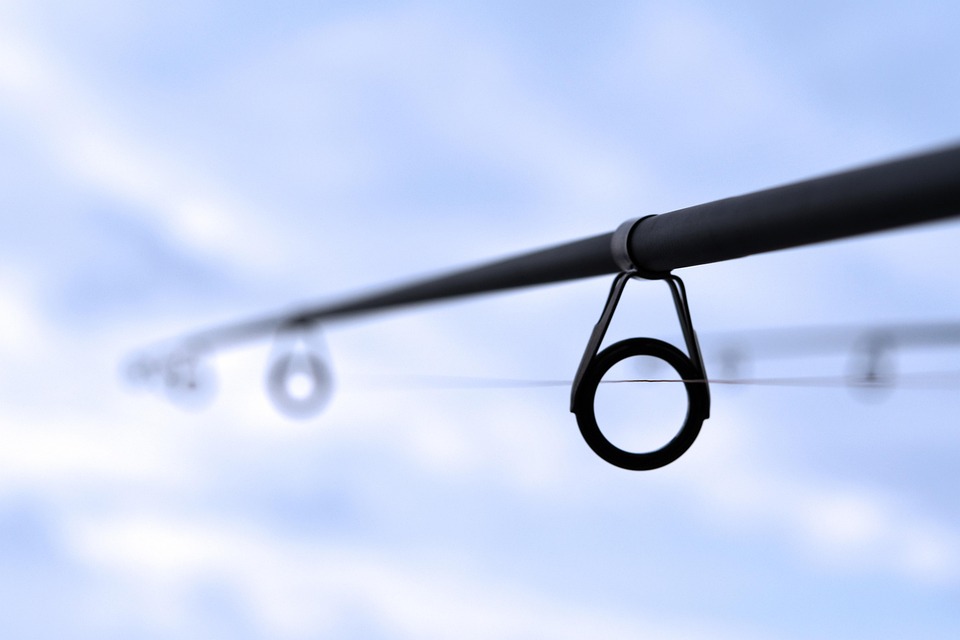
The first piece of gear that every pike angler needs is a reliable fishing rod. For pike fishing, a medium to heavy action rod, typically ranging between 6.5 to 8 feet in length, is recommended. These rods make casting heavier lures easier and provide the backbone necessary to handle the power of pike. Consider the following rod specifications:
- Length: 7 to 8 feet provides adequate leverage.
- Action: Fast action rods enhance sensitivity and quick hook sets.
- Power: Medium to heavy power ensures strength for landing larger fish.
Reels: Smooth and Reliable
Choosing the right reel is just as essential as selecting your rod. Baitcasting reels are generally favored for pike fishing due to their ability to handle heavier lines and lures more efficiently. Here’s what to look for when selecting a reel for pike fishing:
- Gear Ratio: A higher gear ratio (typically above 6.1:1) allows for quicker retrieval, essential when pike strike.
- Drag System: A strong drag system helps withstand the power of a running pike.
- Line Capacity: Ensure the reel can accommodate at least 150 yards of 20- to 50-pound braided line.
Line: Strength and Sensitivity
For pike fishing, the line you choose can make all the difference. Braided line is the most popular option due to its low stretch and high sensitivity, making it easier to detect strikes. Typically, anglers use:
- Line Type: Braid line is preferred for its strength and sensitivity.
- Weight: A test line of 20 to 50 pounds is ideal for resisting abrasive structures in pike habitats.
- Leader Material: A wire or fluorocarbon leader (at least 12-18 inches) is essential to avoid toothy encounters.
Lures: Tempting the Predator
Choosing the right lure is a pivotal part of pike fishing. The aggressive nature of pike makes them susceptible to various lures, and understanding the types can significantly improve your success rate. Here’s a look at some effective lure options:
1. Spinnerbaits
Spinnerbaits are versatile and can be fished in various conditions. Their flash and vibration attract pike, making them an excellent choice for murky or stained waters.
2. Crankbaits
These lures mimic the swimming action of baitfish, which pike find irresistible. Choose large models that dive deep into the strike zone.
3. Topwater Lures
Topwater lures create surface commotion, drawing pike to the surface for explosive strikes. Ideal for fishing during dawn or dusk.
4. Jigs
Weighted jigs can be effective when pike are close to the bottom. Add a soft plastic trailer to enhance attraction.
Accessories: Enhancing the Experience
In addition to your primary fishing gear, several accessories will make your outing smoother and more enjoyable:
- Fishing Net: A large, fish-friendly net minimizes stress during catch and release.
- Pliers: Needle-nose pliers will help to safely remove hooks from pike.
- Cooler: If you plan to keep your catch, ensure you have a cooler to keep the fish fresh.
- Life Jacket: Always prioritize safety and wear a life jacket, especially when fishing from a boat.
Finding the Right Location
Even the best gear won’t guarantee success if you’re at the wrong spot. Pike are typically found in shallower waters with ample vegetation and structure. Look for:
- Weed Beds: Places where pike can ambush prey.
- Drop-Offs: Sharp depth changes where pike often lurk.
- Points and Bays: Areas that provide shelter and food sources.
Timing: The Right Moment
Timing can be pivotal to the success of your pike fishing adventure. Early mornings and late evenings are prime times to fish since pike are most active during these hours. Additionally, warmer months typically see increased pike activity. Consider seasonal patterns in your location to optimize your fishing trips.
Conclusion
Arming yourself with the right gear and knowledge is critical for any angler eager to land that prized pike. From the rod and reel selection to choosing the perfect lures and accessories, every detail matters. As you develop skills and expertise, remember that fishing is not just about the catch but also about the experiences created and the beauty of nature. Embrace the journey, protect the waters, and most importantly, enjoy the thrill of pike fishing!
FAQs
1. What is the best time of year to fish for pike?
The best time for pike fishing is typically from late spring to early fall. However, successful anglers often find pike can be caught year-round when conditions are favorable.
2. Are there specific areas in a lake where pike are more likely to be found?
Pike often inhabit shallow areas with weeds, drop-offs, and structures like fallen trees. Focus your efforts around these habitats.
3. What are the regulations for pike fishing?
Regulations vary by region, but it’s essential to check local fishing laws regarding catch limits, size limits, and specific seasons.
4. How do I properly handle and release a pike?
To safely release a pike, use pliers to remove the hook without removing it from the water. Support the fish gently and avoid touching its gills. Release the fish back into the water as quickly as possible.
5. Do I really need a wire leader for pike fishing?
Yes, a wire leader is recommended to protect the line from the sharp teeth of pike. Fluorocarbon leaders are also an option but are not as effective against high-speed strikes.
- bass fishing
- Bluegill Fishing
- carp fishing
- catfish fishing
- Crappie Fishing
- freshwater angling
- freshwater bait fishing
- freshwater fishing
- freshwater fishing gear
- freshwater fishing guides
- freshwater fishing species
- freshwater fishing techniques
- freshwater fishing tips
- freshwater fly fishing
- freshwater spinning fishing
- inland fishing
- lake fishing
- lakes fishing
- largemouth bass fishing
- muskie fishing
- panfish fishing
- Perch Fishing
- pike fishing
- pond fishing
- reservoir fishing
- reservoirs fishing
- river fishing
- rivers fishing
- Salmon Fishing
- smallmouth bass fishing
- stream fishing
- Tilapia Fishing
- Trout Fishing
- Walleye Fishing









Leave a comment