











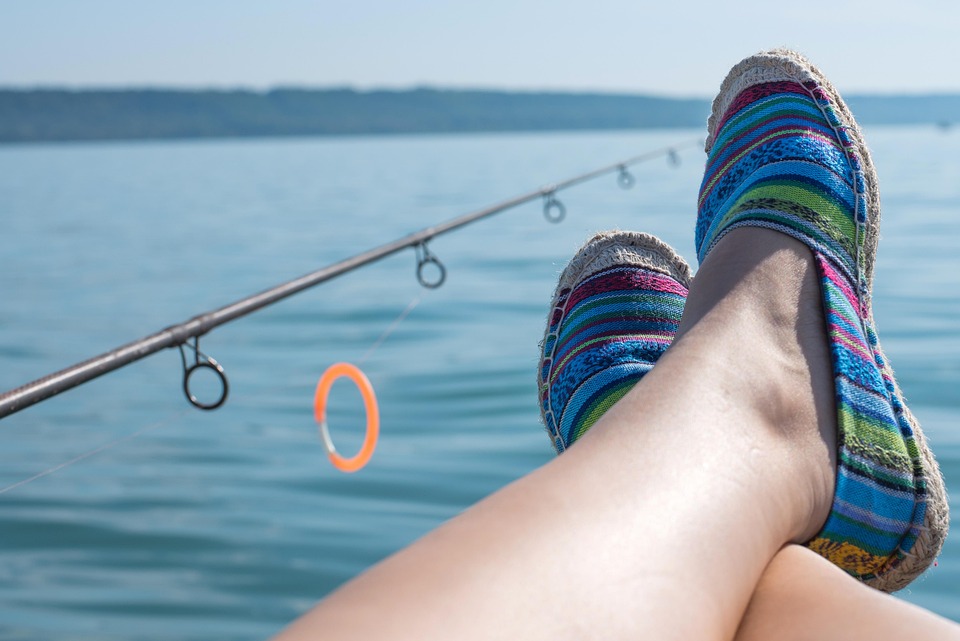

Fishing is not just a pastime; it is a passion that transcends borders, cultures, and generations. However, to be truly successful, understanding the intricacies of seasonal fishing is paramount. This guide dives deep into how different seasons impact fishing behavior, what lures work best during those times, and tips for maximizing your catch. Let’s navigate through the waters of seasonal fishing success!
The Importance of Seasons in Fishing
Each season presents unique challenges and opportunities for fishermen. The behavior, location, and readiness of fish fluctuate with temperature changes, water levels, and spawning cycles. Comprehending these factors allows anglers to plan their fishing trips around nature’s rhythms, enhancing both the experience and the potential catch.
Spring: The Awakening
As ice melts and waters warm, fish awaken from winter dormancy. Spring is a prime time for fishing, particularly for species like bass and trout. Here’s a detailed look at how spring impacts fishing:
- Increase in Activity: As temperatures rise, fish metabolism increases, making them more active and aggressive in their feeding habits.
- Spawning Behavior: Many species, such as bass and pike, spawn during this time. Targeting males protecting nests can yield great results.
- Best Techniques: Topwater lures, spinnerbaits, and soft plastics are effective as fish move into shallower waters.
Summer: The Heat is On
Here comes the summer heat, and while it might seem that fishing would be easy during this time, the challenge often lies in the midday sun:
- Deeper Waters: As water temperatures rise, fish often move to deeper, cooler areas. Seek out structures such as underwater rocks or sunken logs.
- Morning and Evening Fishing: Fish are more active during dawn and dusk, so adjust your fishing times accordingly.
- Best Techniques: Use jigs or crankbaits around structures. Topwater lures can also be effective during early morning and late evening.
Fall: The Bounty of Transition
Fall is a transitional season that offers unparalleled fishing opportunities as fish prepare for winter:
- Feeding Frenzy: Fish increase their feeding habits to build energy reserves before winter. This is the time for anglers to capitalize on abundant foraging.
- Shifts in Habitat: As temperatures start to drop, fish transition back to shallower waters. This creates an opportune moment to target them.
- Best Techniques: Crankbaits, swimbaits, and spinnerbaits can effectively imitate injured prey, which can trigger strikes.
Winter: The Chill Factor
Winter fishing is often regarded as a test of patience, yet it can yield rewards for the persistent angler:
- Ice Fishing: In colder regions, ice fishing becomes popular. Notable species include perch and walleye.
- Slower Metabolism: Fish become lethargic during winter, making them less likely to chase after lures. Cold-weather tactics like dead-baiting can work well.
- Best Techniques: Use smaller lures and live bait to elicit bites, and focus on deep holes or near underwater structures.
Localized Effects: Variability in Seasons
While these seasonal behaviors are generally applicable, localized weather patterns and environmental changes can significantly alter fishing conditions. Factors like rainfall, water clarity, and local ecosystems vary across regions. Therefore, it is vital to stay updated on local fishing reports and adapt your strategies based on real-time conditions.
Advanced Techniques for Seasonal Success
Aside from understanding seasonal patterns, utilizing advanced techniques can greatly enhance your fishing success:
1. Water Temperature Monitoring
Using a fish finder to monitor water temperature helps in identifying the best layers in which fish may be feeding. This is especially useful during the transition seasons.
2. Tides and Moon Phases
Many anglers swear by moon phases and tides for planning successful fishing trips. Fish tend to be more active during specific tidal shifts, which can be aligned with lunar cycles.
3. Bait Selection
Choosing the right bait is crucial. Live bait often outperforms lures in cooler waters, while lures can be highly effective when fish are active. Seasonal changes affect fish preferences, so staying aware of local bait trends will keep you ahead of the game.
Fishing Etiquette: Respecting the Environment
As anglers, it’s crucial to remember our responsibilities towards nature. Being mindful of the ecosystems we fish in ensures sustainability for future generations. Here are a few guidelines to follow:
- Practice Catch and Release: Whenever possible, release fish back into the water to maintain population levels.
- Leave No Trace: Always clean up after yourself and dispose of waste properly to keep our waterways beautiful and thriving.
- Be Aware of Regulations: Each region may have specific fishing regulations. Familiarize yourself with local rules, including limits and protected species.
Conclusion
Fishing is a multifaceted adventure shaped by seasonal changes, temperature fluctuations, and environmental factors. By understanding the seasonal behaviors of fish and honing fishing techniques accordingly, anglers can significantly enhance their fishing success. Armed with the knowledge and respect for nature, you’ll find that every season brings new opportunities and stories waiting to be told on the water.
FAQs
1. What is the best time of year to fish?
While the best time can depend on the species targeted, spring and fall are generally considered ideal for many anglers due to increased fish activity.
2. How does water temperature affect fishing?
Water temperature directly impacts fish metabolism and behavior. Fish are more aggressive and active in a temperature range that suits their species.
3. Are certain fishing techniques better during specific seasons?
Yes, different seasons favor various techniques. For example, topwater lures are effective in spring, while deeper techniques work better in summer.
4. Can I fish year-round?
Yes, many fish species can be caught year-round, but the methods and techniques will vary significantly based on seasonal changes.
5. Is it necessary to practice catch and release?
While it is not mandatory, practicing catch and release can be beneficial for sustaining fish populations and promoting healthy ecosystems.
- bait fishing seasons
- bass fishing seasons
- best fishing times
- bluegill fishing seasons
- carp fishing seasons
- catfish fishing seasons
- crappie fishing seasons
- fishing seasons
- fly fishing seasons
- inshore fishing seasons
- jigging seasons
- marlin fishing seasons
- muskie fishing seasons
- offshore fishing seasons
- panfish fishing seasons
- pike fishing seasons
- popping seasons
- sailfish fishing seasons
- salmon fishing seasons
- seasonal fishing for beginners
- seasonal fishing guides
- seasonal fishing guides worldwide
- seasonal fishing strategies
- seasonal fishing tips
- shark fishing seasons
- spinning fishing seasons
- trolling seasons
- trout fishing seasons
- tuna fishing seasons
- walleye fishing seasons
- zander fishing seasons










Leave a comment