


















In the depths of our oceans and lakes, a world of awe and ferocity unfolds, ruled by predatory fish. Anglers and researchers alike have long been captivated by these apex predators, their grace and power drawing us in like a mesmerizing dance. Yet, beneath the excitement of the chase lies a complex web of ethical considerations and evolving practices. This article delves into the artistry and ethical paradigms of capturing predatory fish, illuminating a pathway where stewardship coexists with recreational pursuit.
The Predatory Fish Paradigm
From the formidable great white shark to the stealthy pike, predatory fish occupy a unique niche in aquatic ecosystems. These fish play crucial roles in maintaining the balance of their environments. By preying on various species, they regulate populations, ensuring biodiversity and stability.
Species such as the tarpon, bass, and catfish have become icons in both recreational fishing and sporting culture. The thrill of the hunt, the chase, and the ultimate capture reverberate through tales shared by anglers globally. Yet, as more enthusiasts keep records of their catches, the urgent need for responsible practices grows.
The Techniques of Capture
Artistry in Angling
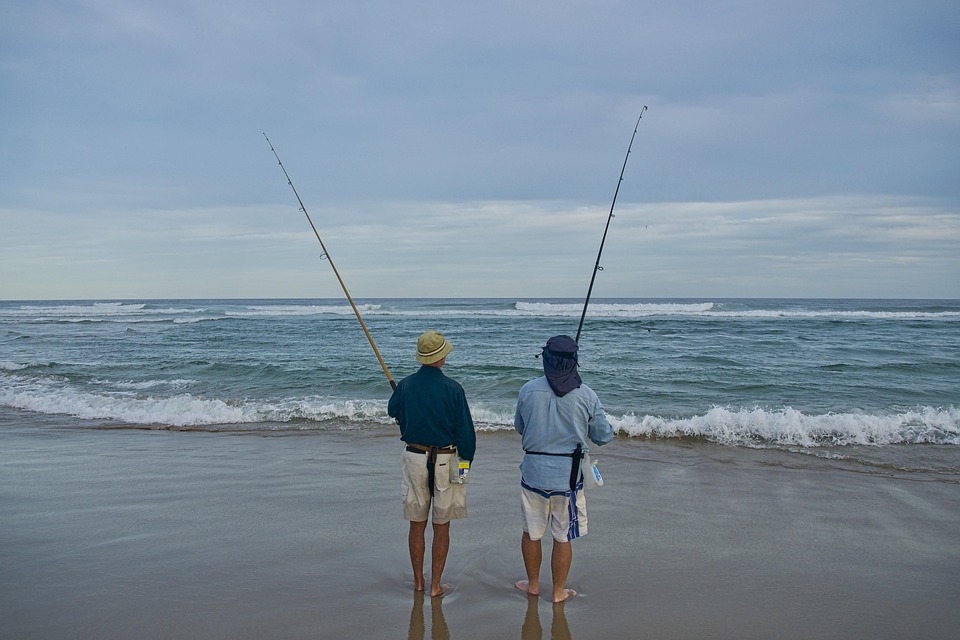
The art of capturing predatory fish transcends mere technique; it involves an intimate understanding of their behavior, habitats, and feeding patterns. Experienced anglers employ various methods, including:
- Fly Fishing: Using artificial flies to mimic the behavior of small fish or insects.
- Bait Fishing: Offering natural bait to attract opportunistic feeders.
- Spinning: Utilizing lures that imitate prey movement, enticing predatory instincts.
Choosing the right technique often depends on the season, water conditions, and the species being targeted. For instance, during spawning seasons, many species become more aggressive, making them easier to entice. Understanding these patterns is essential, combining knowledge with the skills of precision casting and patience.
The Role of Technology
Modern technology has significantly transformed the methods used to capture predatory fish. Advanced sonar fish finders, drones for aerial scouting, and even underwater cameras offer insights into fish behavior and locations. Yet, this technological evolution raises questions regarding its ethical implications. Is it fair to deploy cutting-edge tools in a sport traditionally defined by skill and knowledge?
The Ethics of Capturing Predatory Fish
The captivating allure of fishing often stands at the crossroads of enjoyment and responsibility. Ethical fishing practices are essential for preserving aquatic ecosystems and the species within them.
Conservation Awareness
Many anglers are now encouraged to practice catch-and-release techniques, allowing for sustainable fishing without depleting fish populations. Proper handling techniques, such as minimizing air exposure and using barbless hooks to reduce injury, ensure that released fish can survive to be caught again.
Understanding Regulations
Conservation begins with knowing the rules of the waters. Each region often has strict regulations governing fishing seasons, size limits, and bag limits. Incorporating these regulations into our practices not only fosters a healthy ecosystem but also demonstrates respect for both the fish and fellow anglers.
Personal Narratives: Stories From the Water
Across the globe, stories abound of anglers who’ve forged profound connections with nature through fishing. One angler, Sarah, recounts her first experience catching a 40-pound catfish. “It was a fight of a lifetime, and after finally landing it, I realized it wasn’t just about the thrill. I felt a responsibility to ensure the fish returned to the water unharmed,” she shares.
Moreover, organizations focused on aquatic conservation often highlight personal experiences from seasoned anglers who are advocates for sustainability. “Fishing is not just a hobby; it’s a pathway to understanding the complexities of our ecosystems,” states Tom, an avid angler and conservationist. “Each expedition reminds us of our responsibility toward the waters we love.”
Challenges in Modern Fisheries
The fishing industry faces mounting pressures from climate change, pollution, and overfishing. Many predatory species are at risk, threatening biodiversity and the health of aquatic environments. Addressing these challenges requires cooperation between governmental bodies, local communities, and recreational anglers.
Climate Change Impacts
Rising water temperatures and changing ecosystems are disrupting the habitats of predatory fish. Species are migrating towards cooler waters, altering fishing patterns and affecting local economies reliant on these fish. Anglers must adapt to these changes, often becoming advocates for climate action in their communities.
Pollution and Its Consequences
Water pollution from plastics, chemicals, and other waste continues to pose a significant threat to aquatic life. The call for responsible fishing extends beyond catch and release—it encompasses a commitment to ensuring our waterways remain pristine. Grassroots initiatives and community clean-ups are essential as anglers mobilize to safeguard their beloved waters.
The Future of Angling
The intersection of art, science, and ethics presents a vibrant future for capturing predatory fish. As awareness expands, techniques evolve, and regulations adapt, the principles of responsible angling must remain at the forefront. Educational programs highlighting the importance of aquatic conservation can empower current and future generations to balance enjoyment with stewardship.
Conclusion
Chasing shadows in pursuit of predatory fish combines the thrill of the chase with profound ethical considerations. As we embrace modern methods and technologies while respecting the intricacies of ecosystems, we discover that the real art lies not just in the capture, but in the preservation of the aquatic world we cherish. The relationship between humans and nature can, and should, be one of harmony—where each successful catch leads to a deeper understanding of our role in the cycle of life.
Frequently Asked Questions
1. What are the most popular predatory fish for anglers?
Common predatory fish include species such as bass, pike, catfish, and tarpon. Each species offers unique challenges and experiences for anglers.
2. What is catch-and-release, and why is it important?
Catch-and-release is a practice where fish are caught and then released back into the water rather than kept. This practice helps maintain fish populations and ecosystems, allowing for sustainable fishing.
3. How do regulations vary across different regions?
Fishing regulations, including seasons, size, and bag limits, vary widely depending on local laws and ecological conditions. It is essential to check local guidelines before fishing.
4. How can anglers contribute to aquatic conservation?
Anglers can contribute by practicing responsible fishing techniques, participating in clean-up efforts, advocating for sustainable policies, and supporting conservation organizations.
5. What role does technology play in fishing today?
Technology enhances fishing practices through tools like sonar and drones, providing valuable data on fish behavior, but it also raises ethical questions about fairness in the sport.
- advanced predator fishing
- aggressive fish fishing
- barracuda fishing
- barracuda lure fishing
- freshwater predator fishing
- large predator fishing
- muskie fishing
- muskie lure fishing
- pike fishing
- pike lure fishing
- predator angling
- predator fishing
- predator fishing baits
- predator fishing destinations
- predator fishing for beginners
- predator fishing gear
- predator fishing guides
- predator fishing lures
- predator fishing reels
- predator fishing rigs
- predator fishing rods
- predator fishing seasons
- predator fishing spots
- predator fishing tactics
- predator fishing techniques
- predator fishing tips
- predatory fish fishing
- saltwater predator fishing
- zander fishing
- zander jigging










Leave a comment