








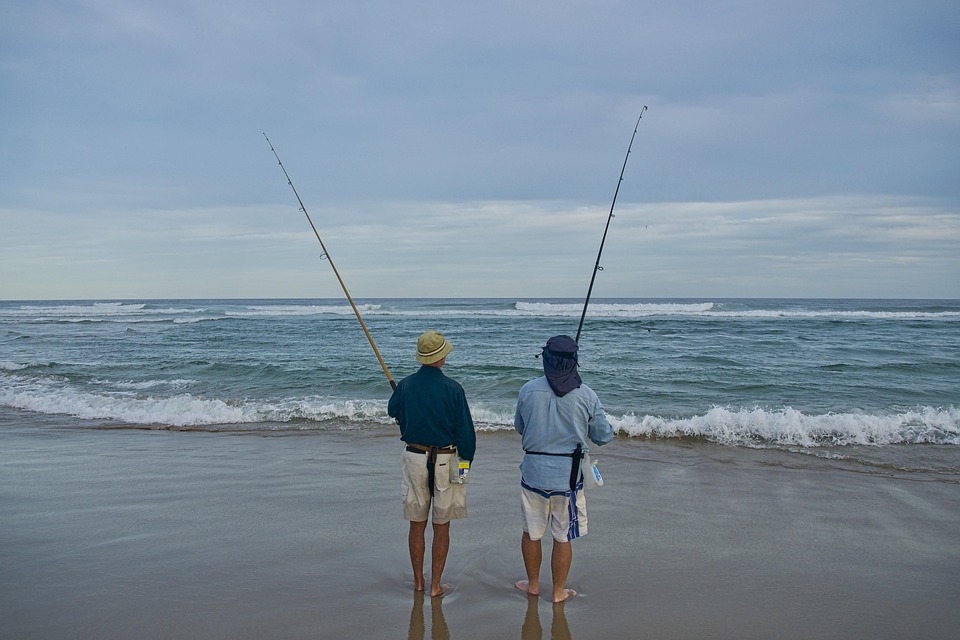
Deep sea fishing is an exhilarating sport that calls for not only skill but also the right gear and tactics to ensure a successful outing. For enthusiasts looking to reel in the big catch, understanding the essentials can make all the difference. From choosing the right equipment to mastering the best techniques, this comprehensive guide dives into the world of deep sea fishing.
Understanding the Depths
Before you can embark on your deep sea fishing adventure, it’s imperative to understand what “deep sea” actually means. Typically, deep sea fishing refers to fishing in waters at least 30 meters deep, where the demographic of fish is more diverse and challenging to catch compared to coastal fishing. Species often sought in these deeper waters include tuna, marlin, and swordfish, which demand specific tactics and gear.
Essential Gear for Deep Sea Fishing
The right gear can make or break your fishing experience. Let’s break down the key components of your fishing arsenal:
1. Rod and Reel
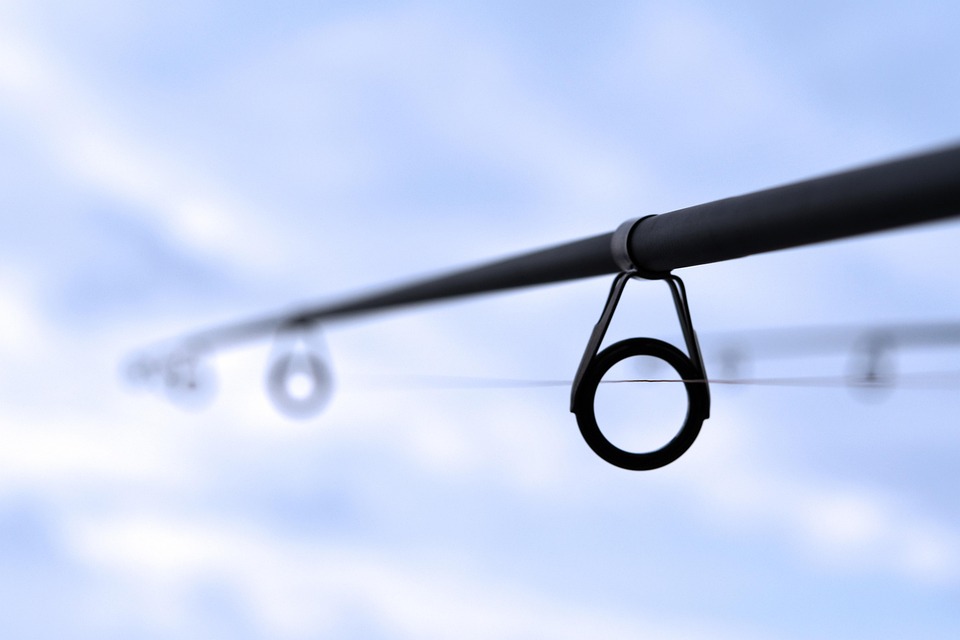
Your rod and reel are your primary tools, and they need to be robust enough to handle large, powerful fish. Consider a heavy-duty rod ranging from 6 to 8 feet in length for maximum leverage, paired with a high-capacity conventional reel. Look for reels that offer a high gear ratio to help retrieve quickly, especially when battling larger fish.
2. Fishing Line
Opt for braided line between 50 to 80-pound test. Braided lines offer strength and sensitivity, and their thinner diameter allows for greater line capacity—essential when the fish run deep. Mono-filament lines are also useful for their stretch, which can provide a little give when a fish makes a sudden turn.
3. Terminal Tackle
The terminal tackle includes your hooks, traces, and weights. For deep sea fishing, circle hooks are highly recommended for catch-and-release as they tend to hook fish in the corner of the mouth. Using fluorocarbon leaders can enhance visibility in the deep blue waters, and weights often vary based on current and depth—typically ranging from 16 oz to 32 oz.
4. Baits and Lures
Your bait can be the key player in attracting the right species. Live bait like mackerel or squid can be incredibly effective, whereas lures like jigs or trolling lures work wonders for species like tuna or mahi-mahi. Consider experimenting with different colors and sizes to gauge what works best on the day.
5. Safety Equipment
Safety should always come first. Make sure your boat is equipped with life jackets, a first aid kit, flares, and a reliable communication device. Weather conditions can change rapidly on the sea, and having the right safety gear can make a significant difference.
Key Tactics for Success
Possessing the right gear is just one part of a successful fishing trip. Here’s a look at some crucial tactics that can help elevate your deep sea fishing game:
1. Understanding Fish Behavior
Fish are unpredictable creatures, and knowing their behavior can result in a major advantage. Factors such as water temperature, tides, and the time of day can influence feeding habits. Early mornings or late afternoons often provide the best chances for success, as fish swim closer to the surface to hunt.
2. Trolling Techniques
Trolling is a highly effective method in deep sea fishing, where you drag bait or lures behind a moving boat. This approach allows you to cover a larger area and can trigger opportunistic feeding behavior in predatory fish. Vary your trolling speed, as faster speeds often attract more aggressive species.
3. Anchoring
For those who prefer bottom fishing, anchoring is vital. This technique involves dropping lines straight down to the ocean floor, targeting species that dwell at various depths. Use a reliable anchor and drift lines strategically to minimize tangling and maximize your catch.
4. Drift Fishing
Drift fishing entails letting the wind or current carry your boat slowly while you fish. This method is particularly useful when targeting deeper species that are more dispersed. Ensure your lines are spaced out to avoid line tangles, and be aware of your surroundings to avoid other boats.
5. Utilizing Technology
Modern technology has made deep sea fishing more accessible. Fish finders and GPS systems can help identify schools of fish and map out productive areas. Employing sonar technology can help you locate underwater structures that attract fish, enhancing your chances of a successful haul.
Conclusion
Deep sea fishing is an incredible adventure that combines patience, skill, and the right gear. By investing in quality equipment, mastering essential tactics, and staying abreast of fish behavior, fishing enthusiasts can maximize their chances of success. Remember, every fishing experience is a learning opportunity—embrace the journey, respect the ocean, and, most importantly, enjoy the thrill of the catch!
FAQs
1. Do I need a fishing license for deep sea fishing?
Yes, a fishing license is typically required, but the specifics vary by region and whether you are fishing from a private boat or a charter. Always check local regulations before your trip.
2. What is the best time of year for deep sea fishing?
The best time often depends on the species you are targeting. Generally, summer and early fall provide the perfect conditions for a variety of species. Local fishing reports can provide better insights tailored to specific areas.
3. Can I deep sea fish from a smaller boat?
While it’s possible to deep sea fish from smaller boats, it’s advised to have a well-equipped vessel capable of handling rough waters. Safety features are paramount, so make sure your boat meets the requirements for offshore fishing.
4. What should I do if I catch a fish?
If you plan to keep the fish, make sure you know the local regulations on size and species limits. For catch and release, gently remove the hook and return the fish to the water as quickly as possible to enhance survival rates.
5. How can I prepare for rough sea conditions?
Always check the weather before heading out and be prepared with appropriate gear, such as motion sickness medication and waterproof clothing. In rough weather, consider postponing your trip for safety.
- advanced fishing techniques
- artificial bait fishing
- bait fishing
- boat fishing methods
- casting fishing
- deep sea fishing techniques
- drift fishing
- fishing knots techniques
- fishing methods
- fishing methods for beginners
- fishing rigs methods
- fishing strategy tips
- fishing techniques
- fly fishing techniques
- freshwater fishing techniques
- inshore trolling
- jigging fishing
- live bait fishing
- lure fishing methods
- modern fishing techniques
- offshore trolling
- popping fishing
- professional fishing methods
- saltwater fishing techniques
- shore fishing methods
- slow jigging
- spinning fishing
- topwater popping
- trolling fishing
- vertical jigging












Leave a comment