













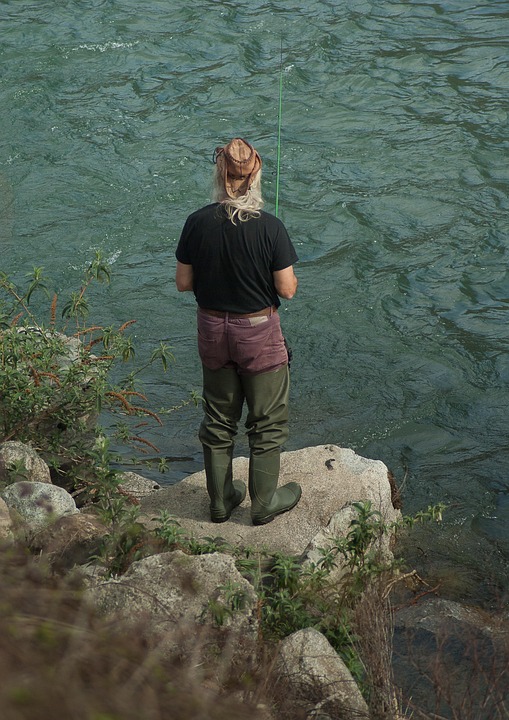
Fishing is not just about the catch; it’s about the experience and the skills that come with it. Among these skills, perhaps none is more crucial than mastering the art of fishing knots. A well-tied knot can make the difference between landing a trophy fish and losing it at the last moment. This feature article delves into some essential fishing knots every angler should know, along with tips and techniques for tying them effectively.
The Importance of Fishing Knots
Fishing knots are the unsung heroes of the fishing world. They hold everything together: the line, the hooks, the lures, and even the weights. A reliable knot ensures your tackle functions as intended, whether you’re out on a serene lake or battling the waves of the ocean.
Different fishing conditions require specific knots. The type of line and rig setup can change the knot you need. Here’s a quick look at why knots matter:
- Strength: A poorly tied knot can significantly weaken your line’s overall strength.
- Functionality: Some knots are better suited for specific applications, such as attaching hooks or connecting line to reel.
- Confidence: Knowing you’ve tied a strong knot gives you peace of mind on the water, allowing you to focus on your fishing technique.
Essential Fishing Knots
Let’s take a closer look at some of the most essential fishing knots that you should consider mastering:
1. Improved Clinch Knot
The Improved Clinch Knot is one of the most popular and widely used knots among anglers. It’s ideal for attaching hooks and lures to your fishing line.
- Thread the line through the eye of the hook.
- Wrap the line around itself 5-7 times.
- Thread the end of the line back through the small loop near the hook’s eye.
- Pass the tag end through the larger loop created by the wraps.
- Moisten the knot before pulling tightly to secure it.
2. Palomar Knot
The Palomar Knot is revered for its simplicity and strength, making it perfect for braids and monofilament lines.
- Double the line and pass it through the eye of the hook.
- Make an overhand knot with the doubled line.
- Pass the hook through the loop you created.
- Moisten and pull the standing line to tighten the knot.
3. Loop Knot
The Loop Knot is beneficial for lures that require a free-swinging movement. It allows for increased action and natural presentation.
- Thread the line through the hook eye and create a loop.
- Wrap the standing line around the loop 5-7 times.
- Thread the end of the line through the loop you created.
- Moisten and pull tightly to secure.
4. Uni Knot
The Uni Knot is versatile and can be used for various applications, including connecting lines of different diameters.
- Pass the line through the eye and back towards the standing line.
- Wrap the end around the standing line and form a loop.
- Wrap 5-7 times and pass the end back through the loop.
- Moisten and pull the standing line to tighten.
Tips for Tying Fishing Knots
Mastering fishing knots requires practice, but a few tips can help you become proficient:
- Practice: Regularly practicing knots at home will help improve your speed and efficiency on the water.
- Moisten: Always moisten knots before tightening; this reduces friction and helps tighten the knot securely.
- Use the Right Line: Ensure the line type matches your knot choice for optimal performance.
- Inspect Your Knots: Always double-check your knots before casting to ensure they’re secure.
Advanced Knot Techniques
As you become more comfortable with basic knots, you may want to explore advanced knot techniques for different scenarios.
Blood Knot
The Blood Knot is crucial for joining two lines of similar diameters, making it indispensable for fly-fishermen.
- Align the ends of the two lines you wish to join.
- Wrap one line around the other 5-7 times and thread the tag end back through the created loop.
- Repeat for the other line and pull both standing lines to tighten.
Albright Knot
The Albright Knot is perfect for attaching a leader line to a main line and is often used in saltwater fishing.
- Lay the thicker line on top of the thinner line.
- Wrap the thin line around the thick line 10-12 times.
- Thread the end of the thin line through the loop created near the thick line’s end.
- Moisten and pull both lines to tighten.
Practical Applications of Fishing Knots
Beyond just securing lures, fishing knots can enhance your overall fishing experience in various ways:
- Line-to-line Connections: Use specialized knots for different line types (like braid to mono) to improve efficiency.
- Quick Change Techniques: Employ knots that allow for easy switching of lures or hooks without re-threading the entire line.
- Custom Rigging: Use knots for customized rigging setups tailored to specific fishing conditions.
Conclusion
Mastering essential fishing knots is not just a skill but an art form that can significantly enhance your fishing experience. Whether you’re a seasoned angler or just starting, having a solid foundation with these knots can increase your efficiency in various fishing conditions and boost your confidence on the water. From the Improved Clinch Knot to the advanced Albright Knot, each knot serves a unique purpose and has its place in your tackle box.
As you continue your fishing journey, take the time to practice these knots until they become second nature. Remember, fishing is about the connection between you and nature, and the right knot can strengthen that bond. So, gather your gear, find a quiet spot by the water, and practice. Your next great catch may just depend on the knots you tie!
FAQs
Q: What is the strongest fishing knot?
A: The Palomar Knot is often considered one of the strongest due to its unique structure and ability to retain a high percentage of line strength.
Q: How do I know which knot to use?
A: The type of knot depends on its application. For example, use the Improved Clinch Knot for hooks, the Palomar Knot for lures, and the Blood Knot for joining lines.
Q: Can I use the same knots for all line types?
A: While many knots work with both monofilament and braided lines, some knots are better suited for specific line types, so always check the compatibility before tying.
Q: How often should I inspect my knots?
A: It’s advisable to check your knots before every fishing trip and after each catch. Knots can weaken over time or become frayed, so regular inspection is essential.
Q: Is there a quick way to tie knots while fishing?
A: Yes! Some knots, like the Uni Knot and Palomar Knot, can be tied quickly, especially with practice. Keeping your knot-tying technique sharp will help you minimize downtime while fishing.
- advanced fishing techniques
- artificial bait fishing
- bait fishing
- boat fishing methods
- casting fishing
- deep sea fishing techniques
- drift fishing
- fishing knots techniques
- fishing methods
- fishing methods for beginners
- fishing rigs methods
- fishing strategy tips
- fishing techniques
- fly fishing techniques
- freshwater fishing techniques
- inshore trolling
- jigging fishing
- live bait fishing
- lure fishing methods
- modern fishing techniques
- offshore trolling
- popping fishing
- professional fishing methods
- saltwater fishing techniques
- shore fishing methods
- slow jigging
- spinning fishing
- topwater popping
- trolling fishing
- vertical jigging















Leave a comment