











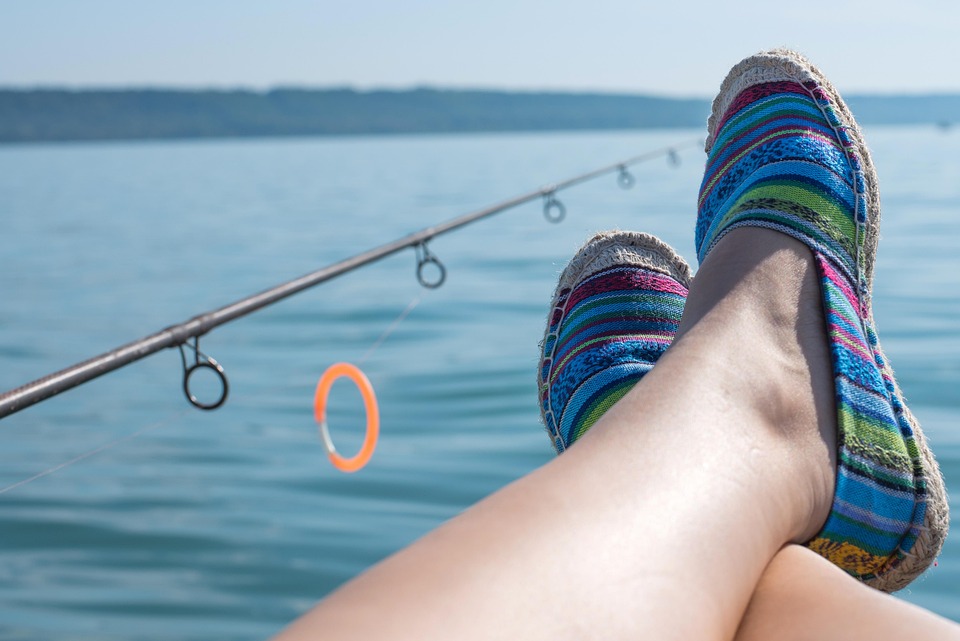

Shore fishing has become a beloved pastime for anglers seeking the tranquility of the waterfront, combined with the thrill of landing a catch. Whether you’re an experienced fisherman or a novice looking to dip your toes into the aquatic world, understanding effective techniques is vital to maximize success. This article explores proven methods for shore fishing, detailing everything from essential gear to bait, environmental considerations, and techniques specific to the shoreline.
Understanding the Shoreline and its Ecosystems
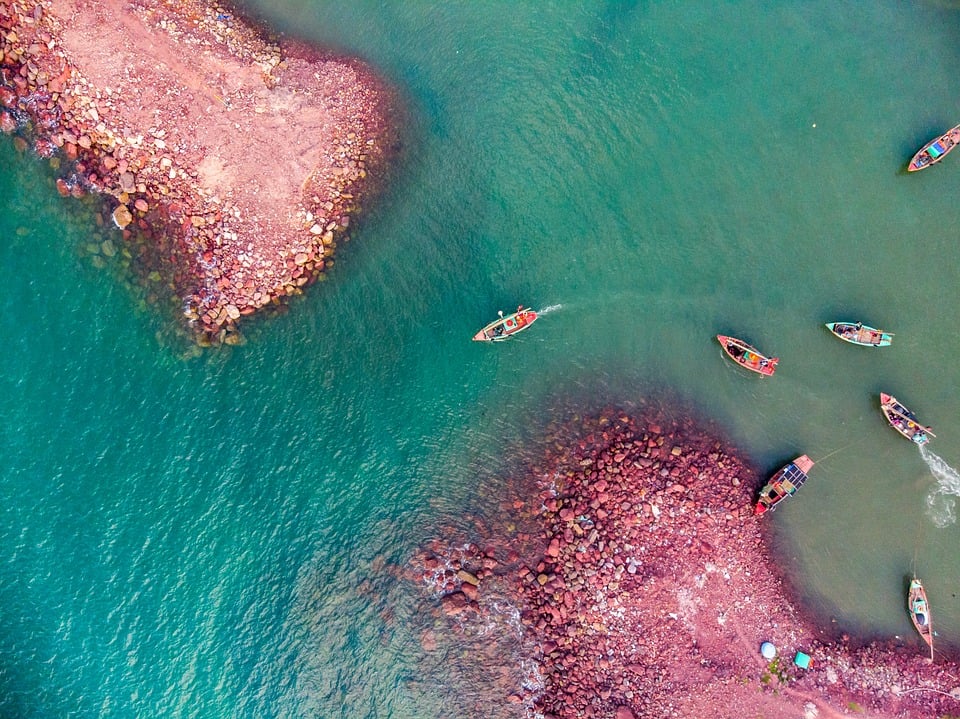
Before we dive into techniques, it’s essential to comprehend the various types of shorelines and the ecosystems they feature. Shorelines can vary significantly—from sandy beaches and rocky outcrops to marshes and piers. Each type has its unique characteristics, ecosystems, and species of fish.
- Sandy Beaches: Great for species like flounder, drum, and bluefish. Look for troughs and structures.
- Rocky Outcrops: Homes for bass and various species that seek shelter among the rocks.
- Marshes: Often have lower salinity and attract species like redfish and sheepshead.
- Piers: Provide stability and a deep-water edge that attracts fish more common in deeper waters.
Essential Gear for Shore Fishing
Your success in shore fishing begins with the right gear. Invest in durable and versatile tools that can adapt to various fishing conditions. Here’s a rundown of the essential equipment:
1. Rod and Reel
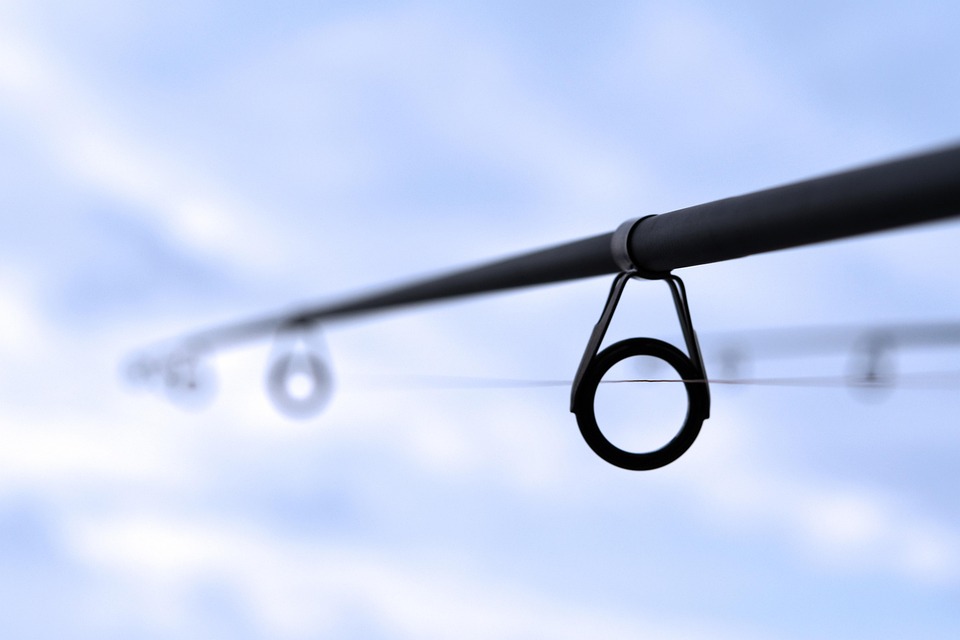
A medium to medium-heavy spinning rod (6.5-8 feet) paired with a matching spinning reel is ideal for most shore fishing situations. Look for reels that can handle a line weight of 8 to 12 pounds for inshore fishing.
2. Fishing Line
Monofilament or braided line typically works best for shore fishing. Monofilament offers flexibility, while braided line provides greater sensitivity and strength. Choose a line strength based on the species you are targeting.
3. Tackle
Bring an assortment of tackle, including hooks, sinkers, and swivels. A standard tackle box may include:
- Circle hooks for catch-and-release fishing
- Performing sinkers to navigate currents
- Swivels to minimize line twist
4. Bait
Choosing the right bait is paramount. Live bait like shrimp, crabs, or minnows often yields better results than artificial lures. However, lures like spoons and topwater plugs can be effective, especially during more active feeding periods.
Techniques for Successful Shore Fishing
Now that we’ve established the requisite gear, let’s dive into effective techniques for maximizing your shore fishing experience:
1. Casting Technique
Maximize your reach by adopting a proper casting technique. A smooth, fluid motion when casting allows for longer casts and helps you reach fish that are further out. Practice your casting in open spaces to ensure accuracy and distance.
2. Understanding Tides and Currents
Familiarize yourself with tides and currents. Fish tend to feed when the tide is rising or falling. During these times, fish are often more active, making them more likely to bite. Review local tide charts for the best times to fish.
3. Patience and Observation
Excellent fishing requires a healthy dose of patience. Observe the water for movement, jumping fish, or birds diving into the water. Such signs can indicate where the fish are feeding, allowing you to adjust your position or bait accordingly.
4. Stealth and Presentation
Fish are naturally wary creatures. Minimize your noise and movement to avoid spooking them. When casting, aim for stealthy presentations. Use bait that mimics local prey, adjusting your retrieval speed to match the activity level of the fish.
5. Seasonal Considerations
Different fish species are active during varying seasons. Understanding seasonal migrations and behaviors is key. For example, striped bass may be more prevalent during spring and fall, while summer months bring different species like summer flounder.
Local Regulations and Conservation
Compliance with local fishing regulations is essential to maintaining fish populations for future generations. Always check for:
- Licensing requirements
- Size and bag limits
- Protected species regulations
Participating in catch-and-release practices, and respecting marine ecosystems, helps preserve this enriching activity for future anglers.
Conclusion
Shore fishing is a rewarding and enjoyable activity that allows you to connect with nature while honing your fishing skills. By considering factors such as gear, techniques, local ecosystems, and regulations, you’ll greatly enhance your fishing experience. Remember, the key lies in patience, observation, and adapting to changing conditions. No matter whether you land a trophy catch or simply enjoy the tranquility of the waters, every moment spent fishing is a win.
FAQs
What is the best time of day to go shore fishing?
The early morning and late afternoon are often the best times for shore fishing when fish are more active and feeding.
What types of fish can I catch from shore?
The types of fish vary by location but can include species like flounder, bass, trout, bluefish, and even some larger game fish depending on the area.
Do I need a fishing license for shore fishing?
Yes, most regions require a fishing license, even for shore fishing. Check local regulations to ensure compliance.
How can I learn to identify local fish species?
Utilize fishing guides, apps, and local fishing communities to help identify fish species. Many resources are available online.
What types of bait are most effective for shore fishing?
Live bait such as shrimp, crabs, and baitfish are typically very effective. Artificial lures can also work well, particularly during active feeding times.
- advanced fishing techniques
- artificial bait fishing
- bait fishing
- boat fishing methods
- casting fishing
- deep sea fishing techniques
- drift fishing
- fishing knots techniques
- fishing methods
- fishing methods for beginners
- fishing rigs methods
- fishing strategy tips
- fishing techniques
- fly fishing techniques
- freshwater fishing techniques
- inshore trolling
- jigging fishing
- live bait fishing
- lure fishing methods
- modern fishing techniques
- offshore trolling
- popping fishing
- professional fishing methods
- saltwater fishing techniques
- shore fishing methods
- slow jigging
- spinning fishing
- topwater popping
- trolling fishing
- vertical jigging














Leave a comment