
















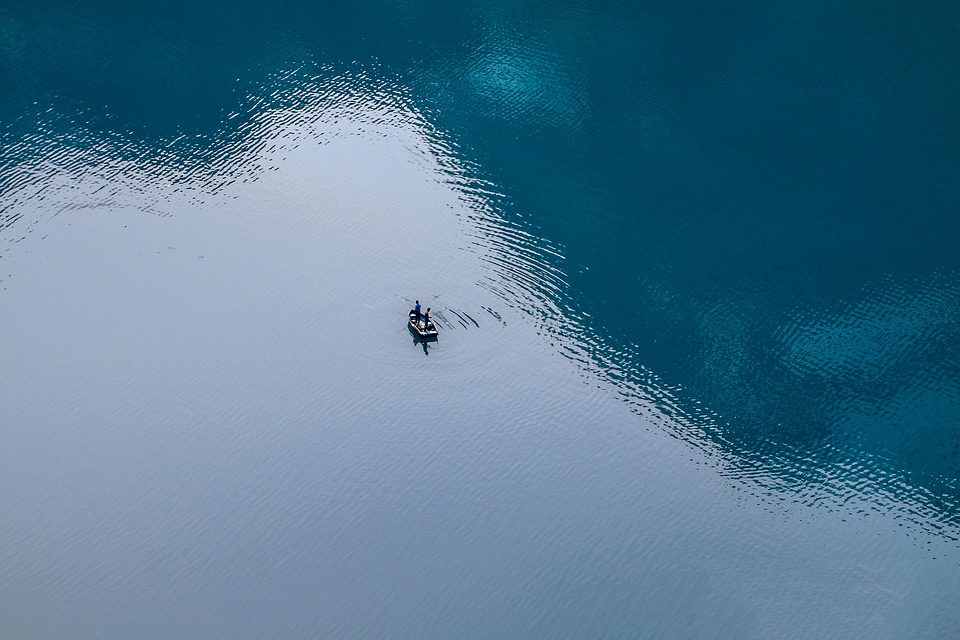
Insights and Tips from Seasoned Anglers
<section>
<h2>The Essence of Drift Fishing</h2>
<p>Drift fishing is more than a method; it's an art form that blends patience, strategy, and an intimate understanding of aquatic ecosystems. It is particularly popular among anglers fishing in rivers, streams, and lakes where the current plays a crucial role in the angling experience. By allowing your bait to drift naturally with the current, you can effectively mimic the movement of natural prey for fish, thereby increasing your chances of a successful catch.</p>
<p>While it may seem straightforward, mastering drift fishing requires knowledge, practice, and often, a bit of local insight. In this article, we delve into various techniques, tips, and the experiences of seasoned anglers, providing you with a well-rounded understanding of this rewarding fishing style.</p>
</section>
<section>
<h2>Understanding the Basics</h2>
<p>To embark on your drift fishing journey, it’s essential to understand some fundamental concepts like gear, technique, and the importance of timing.</p>
<h3>Essential Gear for Drift Fishing</h3>
<p>1. **Rod and Reel**: A medium-action rod combined with a spinning reel is often recommended for drift fishing. This setup allows for optimal control and sensitivity.</p>
<p>2. **Line**: Use a light monofilament or braided line that can withstand the elements while remaining sensitive enough for detecting bites.</p>
<p>3. **Hooks and Weights**: When selecting hooks, keep it simple—choose sizes based on the type of fish you're targeting. Weights play a critical role in ensuring your bait reaches the desired depth without snagging at the bottom.</p>
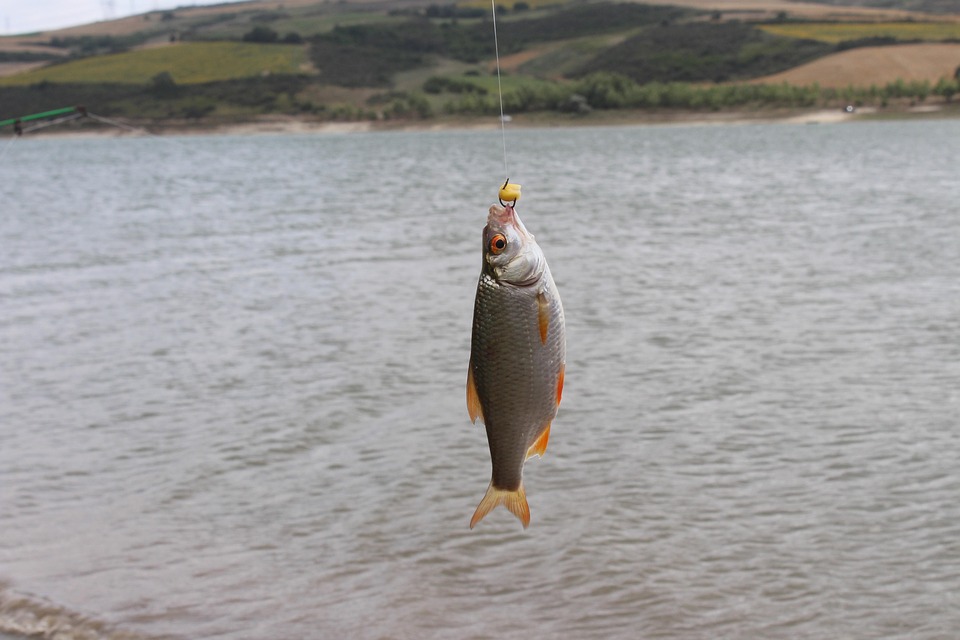
<p>4. **Bait**: Live bait such as worms, minnows, or insects is preferred by many drift fishermen as it draws fish in due to its natural movement.</p>
<h3>Techniques that Matter</h3>
<p>Understanding how to control your drift is vital. You want to avoid having your bait drag on the bottom or shoot to the surface. The current should dictate the bait’s path, so adjust your weight accordingly:</p>
<p>- **Length of Your Drift**: Cast upstream and allow your bait to drift down the current. Adjust the length of your drift to match the speed of the water.</p>
<p>- **Control Your Drift**: Techniques such as “mending” the line can help keep your bait at the right depth. Mending involves lifting the line above the water's surface so it can float naturally.</p>
</section>
<section>
<h2>Insights from Seasoned Anglers</h2>
<p>Seasoned anglers have gathered wisdom over the years that can enhance any novice's drift-fishing expedition. Here are some valuable tips:</p>
<h3>1. Study the Water</h3>
<p>Understanding the body of water you are fishing is crucial. Seasonal changes, water temperature, and weather conditions can all influence fish behavior. Many anglers recommend visiting the spot multiple times to observe how water flow or temperature changes fish activity. Take time to learn about the type of fish that inhabit local waters and their feeding patterns.</p>
<h3>2. Timing is Everything</h3>
<p>Fish are most active during specific times of the day, typically early morning or late afternoon. Additionally, weather systems can trigger increased fish activity; for instance, overcast skies might encourage fish to move closer to the surface.</p>
<h3>3. Patience and Persistence</h3>
<p>One of the hallmarks of experienced anglers is their ability to remain patient. Drift fishing often requires waiting for the right moment. Be prepared to make numerous casts and adjust your technique based on the fish's response—or lack thereof. Sometimes, simply switching your bait can make all the difference.</p>
<h3>4. Embrace Local Knowledge</h3>
<p>Engaging with local fishing communities can provide insights that books and online articles cannot. Whether through forums, local bait shops, or fishing clubs, connecting with experienced fishermen can offer valuable tips on the best spots, bait, and techniques for your locale.</p>
</section>
<section>
<h2>Advanced Techniques</h2>
<p>As you gain confidence in your drift fishing skills, consider incorporating some advanced techniques to enhance your success further:</p>
<h3>1. Adjusting Your Depth</h3>
<p>Using a bobber or float allows you to suspend your bait at the desired depth. Experiment with different depths until you find where the fish are biting. Remember, the depth may change based on the time of day and water conditions.</p>
<h3>2. Fishing with a Partner</h3>
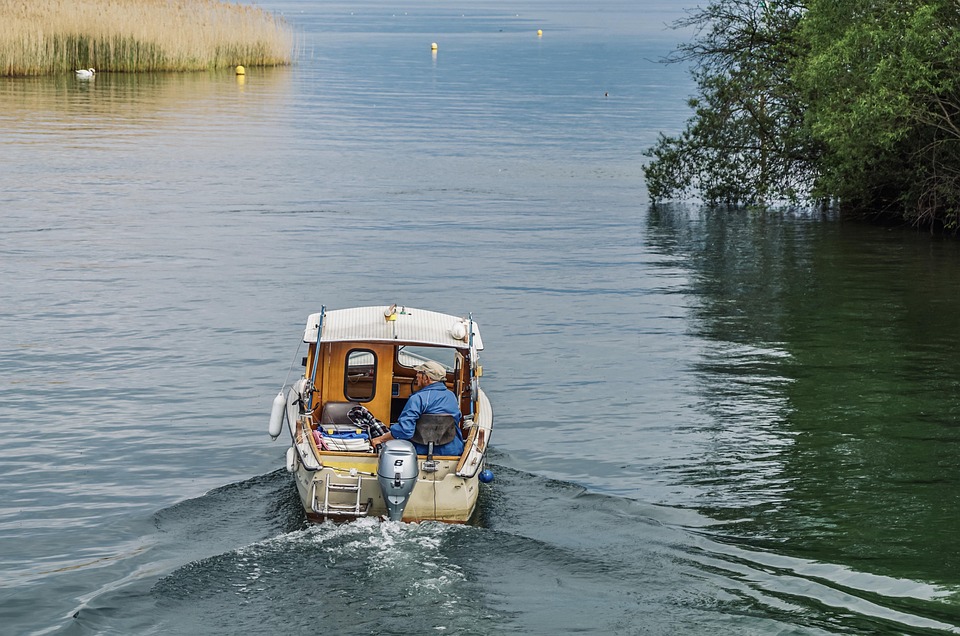
<p>Drift fishing can be more enjoyable—and productive—with a partner. One person can navigate and control the drift while the other focuses on fishing. This teamwork can significantly increase your chances of finding the fish.</p>
<h3>3. Educate Yourself on Catch-and-Release</h3>
<p>As the sport of fishing grows, the significance of sustainable practices becomes paramount. Familiarize yourself with best practices in catch-and-release fishing to help conserve local fish populations and promote healthy waterways.</p>
</section>
<section>
<h2>Conclusion</h2>
<p>Mastering the art of drift fishing is an evolving journey that requires knowledge, dedication, and respect for the environment. By understanding essential gear and techniques, learning from seasoned anglers, and embracing advanced strategies, you can enhance your skills and experience on the water.</p>
<p>The blend of patience and strategy encapsulates the heart of drift fishing. Most importantly, remember that each fishing trip is an opportunity to connect with nature, learn, and enjoy the tranquility of the outdoors. Whether you're a beginner or an experienced angler, the path to mastery is open to all who seek it.</p>
</section>
<section class="faq">
<h2>FAQs</h2>
<h3>What type of fishing line is best for drift fishing?</h3>
<p>A light monofilament or braided line is usually recommended due to its flexibility and sensitivity. It allows for better control and detection of bites.</p>
<h3>Do you need a fishing license for drift fishing?</h3>
<p>Yes, you typically need a valid fishing license to fish legally in public waters. Be sure to check local regulations, as they can vary by state or country.</p>
<h3>Can I drift fish in saltwater?</h3>
<p>Absolutely! Drift fishing is effective in both freshwater and saltwater environments. However, the techniques and necessary gear may vary based on the body of water and target species.</p>
<h3>What is the best time of year for drift fishing?</h3>
<p>Optimal drift fishing seasons often depend on the species you are targeting. Spring and fall are generally considered ideal due to fish spawning patterns and feeding behaviors, but local conditions can also play a significant role.</p>
<h3>How can I improve my bait presentation?</h3>
<p>Practice proper casting techniques to ensure your bait drifts naturally with the current. Adjusting the depth and taking into account the natural movement of the bait can greatly improve your presentation.</p>
</section>
<footer class="footer">
<p>© 2023 Drift Fishing Insights. All Rights Reserved.</p>
</footer>- advanced fishing techniques
- artificial bait fishing
- bait fishing
- boat fishing methods
- casting fishing
- deep sea fishing techniques
- drift fishing
- fishing knots techniques
- fishing methods
- fishing methods for beginners
- fishing rigs methods
- fishing strategy tips
- fishing techniques
- fly fishing techniques
- freshwater fishing techniques
- inshore trolling
- jigging fishing
- live bait fishing
- lure fishing methods
- modern fishing techniques
- offshore trolling
- popping fishing
- professional fishing methods
- saltwater fishing techniques
- shore fishing methods
- slow jigging
- spinning fishing
- topwater popping
- trolling fishing
- vertical jigging














Leave a comment