














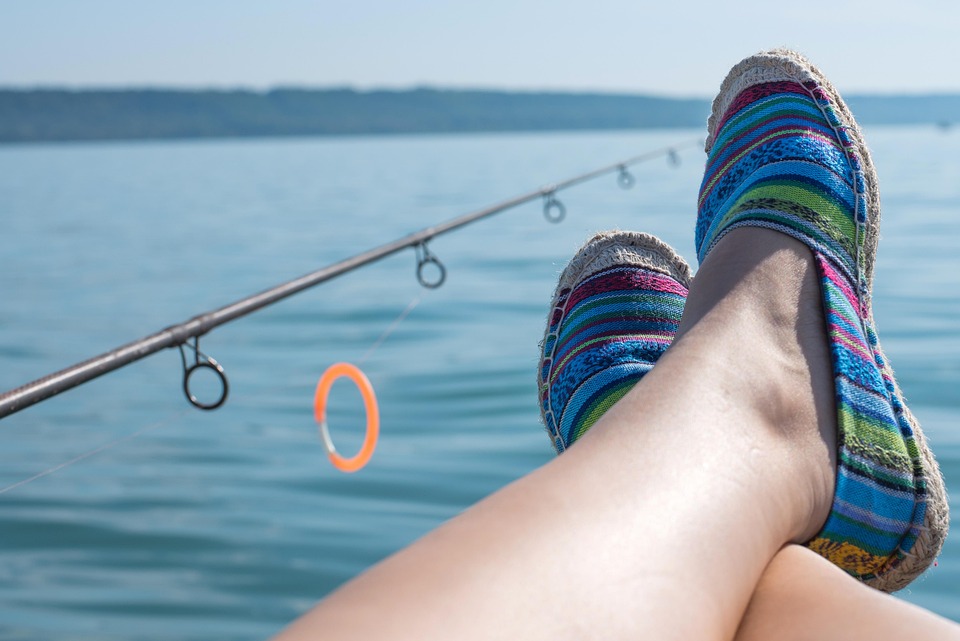


Fishing has evolved immensely from its early days, transitioning from a necessary survival skill to a thriving professional industry. Whether you are an experienced angler or a novice looking to dip your toes into the vast waters of recreational fishing, understanding the methods that lead from bait to net is crucial for success. This article delves into the best practices employed by professional fishermen, the tools of the trade, and the ecological considerations they contend with.
The Evolution of Fishing Techniques
Fishing techniques have transformed significantly through the ages, influenced by technological advances, cultural shifts, and environmental awareness. The shift from traditional methods to modern practices reflects not only a quest for efficiency but also a responsibility towards sustainable fishing.
Traditional Techniques
Traditional fishing techniques encompass practices that have existed for centuries, such as:
- Hand fishing: Often considered one of the original techniques where fish are caught using hands or simple tools.
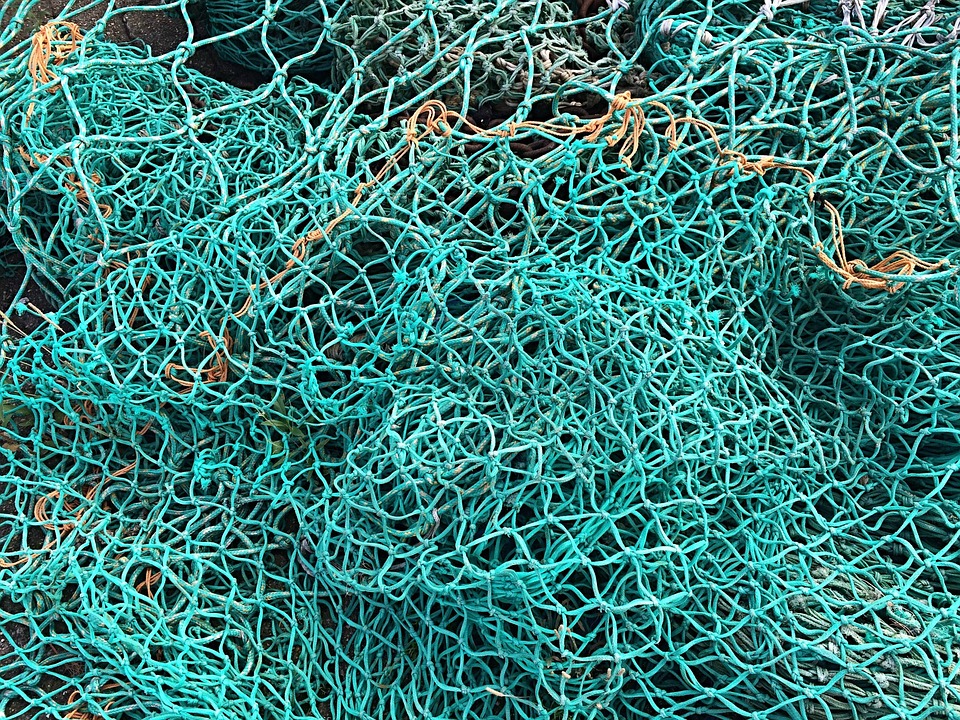
- Net fishing: Involves using nets to trap fish in rivers, lakes, or oceans.
- Rod and reel: This method, appealing to both sport and commercial fishermen, incorporates lines with hooks and bait.
Modern Innovations
The introduction of advanced gear and technologies has allowed fishermen to optimize their catches with increased precision. Some of the most notable modern techniques include:
- Sonar technology: Sonars help locate schools of fish by detecting underwater movements, enhancing the chances of a successful catch.
- GPS Mapping: Fishermen now use GPS systems to navigate to known fishing hotspots, crucial for both commercial and sport fishing.
- Automated fishing vessels: Fishing boats are fitted with equipment that allows them to fish more efficiently, often using coded language for coordination among crew members.
Choosing the Right Bait
One of the pivotal aspects of fishing is the use of bait. The choice of bait can significantly influence the catch rate and varies depending on the target species.
Natural vs. Artificial Bait
Natural baits, such as worms, minnows, and insects, often yield better results due to their scent and appearance. On the other hand, artificial baits, which can imitate the movement and color of prey (like jigs or soft plastics), provide several advantages:
- Longevity and durability in water.
- Ease of handling and storage.
- Ability to match different fishing conditions and species.
Tailoring Bait to Species
Different fish species respond to various baits. Below are some tailored recommendations:
- Bass: Soft plastics, jigs, and topwater lures.
- Pike: Live bait such as minnows or large artificial lures.
- Tuna: Chunk ice, live bait, or trolling plugs.
Best Methods for Catching Fish
When it comes to catching fish, the method employed can dictate not just the number of catches but also the species targeted.
Rod and Reel
The rod and reel method remains one of the most popular approaches for both recreational and professional fishermen. It combines skill and patience, offering the angler a direct connection to the fish. Key considerations include:
- Line Type: Monofilament, braided, or fluorocarbon lines, each suited for different environments.
- Reel Selection: Spinning reels for short casting, baitcasters for long distance and accuracy.
- Technique Evolution: Techniques vary from bottom fishing to trolling, each with its unique applications.
Netting Techniques
For larger catches, netting is often employed. Professional fishermen use various netting techniques such as:
- Cast Nets: Effective for catching bait fish and some larger species.
- Trawl Nets: Used by commercial vessels to catch large quantities of fish, often involving complex technology and multiple crew coordination.
- Gill Nets: Allow fish to become entrapped by their gills, commonly used in commercial fishing.
Sustainability Practices in Fishing
As fish populations continue to decline due to overfishing and environmental changes, sustainable fishing practices have become a crucial focus for the industry. Key sustainability practices include:
Responsible Fishing Techniques
Fishermen are encouraged to adopt methods that minimize environmental impact, such as:
- Catch-and-Release: Targeting catch-and-release practices to allow fish populations to replenish.
- Seasonal Restrictions: Observing fishing seasons to avoid depleting species during breeding times.
- Use of Bycatch Reduction Devices: Instruments designed to minimize the unintentional catch of non-target species.
Community Engagement
Professional fishermen increasingly engage with local communities and environmental organizations to promote awareness and ensure sustainable fishing practices are followed. Initiatives involve public education and collaborative efforts to restore habitats and protect vulnerable species.
Conclusion
Navigating the best methods in professional fishing involves a complex interplay of techniques, technologies, and ethical considerations. From the careful selection of bait to the sustainable practices that ensure the health of fish populations, professional fishermen today are not just providers of food but caretakers of marine ecosystems. With continued advancements and a growing focus on sustainability, the future of fishing promises to be not only bountiful but also responsible.
Frequently Asked Questions (FAQs)
What is the most effective bait for beginners?
For beginners, live worms or minnows are typically the most effective as they attract a variety of fish and are easy to handle.
How can I fish sustainably?
Sustainable fishing practices include following local regulations, participating in catch-and-release, and using bycatch reduction devices.
What fishing technique is best for deep-sea fishing?
Trolling and bottom fishing are popular techniques for deep-sea fishing, targeting larger species such as tuna and grouper.
Is a fishing license required for professional fishing?
Yes, most regions require a commercial fishing license, and this typically comes with regulations to ensure sustainability and responsible practices.
How does technology impact fishing today?
Technology such as sonar and GPS has revolutionized fishing by improving catch efficiency and reducing the environmental impact of fishing practices.
- advanced fishing techniques
- artificial bait fishing
- bait fishing
- boat fishing methods
- casting fishing
- deep sea fishing techniques
- drift fishing
- fishing knots techniques
- fishing methods
- fishing methods for beginners
- fishing rigs methods
- fishing strategy tips
- fishing techniques
- fly fishing techniques
- freshwater fishing techniques
- inshore trolling
- jigging fishing
- live bait fishing
- lure fishing methods
- modern fishing techniques
- offshore trolling
- popping fishing
- professional fishing methods
- saltwater fishing techniques
- shore fishing methods
- slow jigging
- spinning fishing
- topwater popping
- trolling fishing
- vertical jigging

















Leave a comment