















Artificial bait has come a long way since its humble beginnings. Once just a simple lure made of wood or metal, today’s artificial baits come in various shapes, sizes, and colors, designed to mimic everything from insects to fish. For anglers, mastering the art of using artificial bait can mean the difference between a day of frustration and a successful haul. This guide delves into the nuances of artificial bait, helping you enhance your fishing experience and increase your chances of landing that trophy catch.
The Psychology Behind Artificial Bait
Understanding how fish perceive and react to artificial bait is crucial for successful fishing. Fish rely primarily on their sense of sight and lateral line (a sensory organ that detects vibrations) to identify food in their environment.
- Color: Fish can see a wide range of colors, but their preferences vary by species and environmental conditions. Bright colors often attract fish in murky waters, while natural hues tend to be effective in clearer settings.
- Movement: The way a bait moves plays a significant role. Erratic movements often trigger predatorial instincts, as they mimic injured prey.
- Sound: Some baits come equipped with noise-making features to draw in fish from a distance. The sound can simulate the distress signals of prey, making it even more enticing.
Types of Artificial Bait
The world of artificial bait is vast, encompassing various types, each with unique applications. Here are some of the most popular categories:
1. Soft Plastics
Soft plastics are highly versatile and come in countless varieties, mimicking worms, minnows, and crustaceans. They can be rigged in various ways for different presentations, making them ideal for numerous fishing scenarios.
2. Crankbaits
Designed to imitate wounded fish, crankbaits are hard-bodied lures that dive to various depths. They come in multiple colors and diving depths, allowing anglers to target specific fish species effectively.
3. Spinnerbaits
Spinnerbaits are designed to create vibrations and flash in the water. Their unique shape and spinning blades attract fish from afar, making them effective in murky waters.
4. Jigs
Jigs can be used to imitate various prey, and they excel in deep water. They are typically made of a weighted hook and can be dressed with soft plastic tails for added realism.
5. Topwater Lures
Designed for surface fishing, topwater lures create noise and commotion, drawing fish up from below. They can produce explosive strikes, making them exciting for anglers.
Choosing the Right Bait for Your Target Fish
Each fish species has its unique preferences. Here’s a brief overview of what bait to use based on common target species:
- Bass: Soft plastics, spinnerbaits, and topwater lures are preferred, particularly during warmer months.
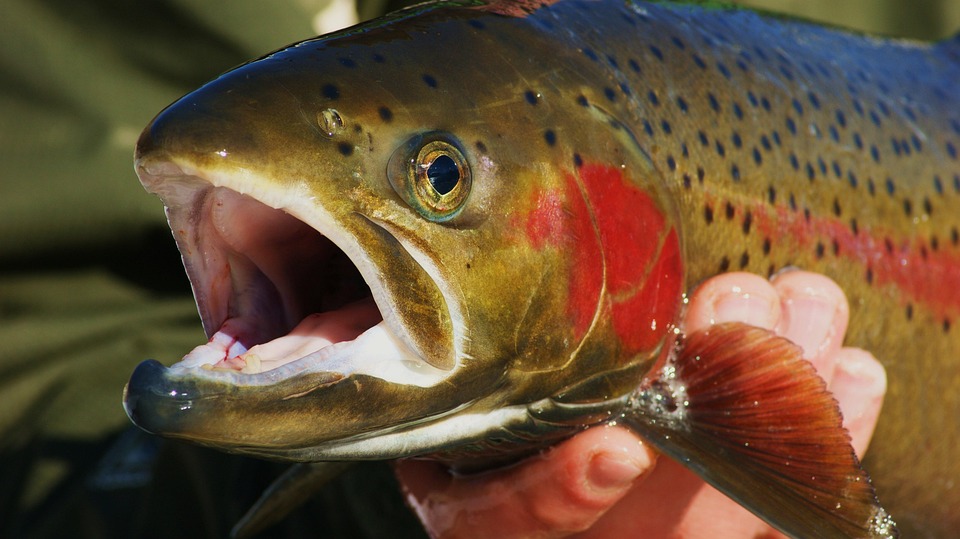
- Trout: Favor small soft plastics, spoons, and jigs that mimic the behavior of live bait like minnows.
- Pike: Use larger crankbaits and spinnerbaits that can withstand aggressive strikes.
- Panfish: Smaller jigs and soft plastics work great, especially in shallow waters.
Effective Techniques for Using Artificial Bait
Using artificial bait effectively involves understanding the right techniques to maximize your chances of a catch. Here are some key tips:
1. Match the Hatch
Observation is key. Pay attention to the local fish food available and choose baits that resemble it. Matching the size, shape, and color can significantly improve your chances of success.
2. Vary Your Retrieve
Experiment with different retrieval speeds and techniques. Fish can be fickle and respond better to slower or faster retrieves depending on the day.
3. Experiment with Depth
Understanding the water column is essential. Fish may be suspended at different depths depending on factors like water temperature and time of day. Adjust your rig accordingly.
4. Fishing Patterns
Knowing seasonal patterns is crucial. For example, fish may be more aggressive during a spawning period, making them easier to catch with the right lure.
Best Practices and Safety Tips
When using artificial baits, consider these best practices to enhance your fishing experience:
- Practice Catch and Release: Preserve fish populations by adhering to regulations or practicing catch and release.
- Stay Hydrated: Especially on warm days, ensure you drink plenty of water to stay hydrated.
- Wear Proper Gear: A fishing vest, polarized sunglasses, and a hat can greatly improve your comfort and effectiveness.
- Respect Local Regulations: Ensure you’re aware and compliant with local fishing regulations regarding bait and catch limits.
Conclusion
Mastering the art of artificial bait is not just about choosing the right lure; it’s about understanding fish behavior, experimenting with various techniques, and adapting to different conditions. With the right approach, you’ll find that your success rate can greatly improve. Whether you’re fishing for sport or leisure, artificial baits can open up a world of possibilities, making each trip to the water a thrilling adventure. Embrace the art, stay informed, and most importantly, enjoy every moment spent angling.
Final Thoughts
The journey of mastering artificial bait is continuous. As technology progresses and new products appear regularly, remaining open to learning and adapting will serve you well. Engage with fellow anglers, share experiences, and refine your skills. Happy fishing!
Frequently Asked Questions
1. Can I use artificial bait in saltwater fishing?
Absolutely! Many types of artificial baits are effective for saltwater fishing, like jigs and topwater lures. Just ensure you’re using lures designed for the specific saltwater species you’re targeting.
2. How long do artificial baits last?
The longevity of artificial baits depends on the material and how they’re used. Soft plastics may wear out after several catches, while hard lures can last for many trips if properly maintained.
3. Do I need a special fishing rod for using artificial baits?
While you don’t need a specialized rod, using a medium to medium-heavy rod can provide better action and sensitivity when working with artificial baits. Pair it with a reel appropriate for your target species.
4. What’s the best time of day to use artificial bait?
Early mornings and late afternoons are often the most productive times for fishing, as fish are more active during these times. However, monitor water conditions and adjust accordingly.
5. Can I combine different types of artificial baits?
Many anglers mix and match baits to create a more effective presentation. Using a jig paired with a soft plastic or experimenting with a drop-shot rig can yield great results.
- advanced fishing techniques
- artificial bait fishing
- bait fishing
- boat fishing methods
- casting fishing
- deep sea fishing techniques
- drift fishing
- fishing knots techniques
- fishing methods
- fishing methods for beginners
- fishing rigs methods
- fishing strategy tips
- fishing techniques
- fly fishing techniques
- freshwater fishing techniques
- inshore trolling
- jigging fishing
- live bait fishing
- lure fishing methods
- modern fishing techniques
- offshore trolling
- popping fishing
- professional fishing methods
- saltwater fishing techniques
- shore fishing methods
- slow jigging
- spinning fishing
- topwater popping
- trolling fishing
- vertical jigging










Leave a comment