
















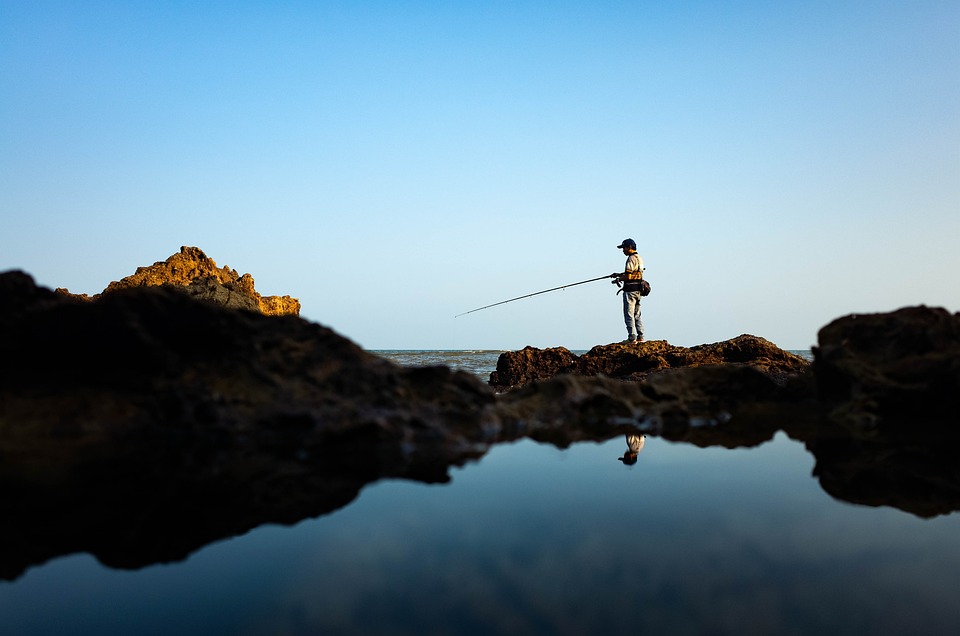
If you’ve ever found solace by the water’s edge, watching the ripples dance across the surface while awaiting a tug on your line, you already understand why fishing is one of the most beloved pastimes worldwide. But as thrilling as this hobby may be, diving in requires some knowledge—particularly about gear. For beginners, embarking on a fishing journey can be overwhelming. This guide will break down the essential gear you need, making it easier for you to get hooked on this engaging sport.
Understanding the Basics
Before diving into the gear, it’s important to understand that fishing can be divided into several types, including freshwater fishing, saltwater fishing, fly fishing, and ice fishing. Each requires specific equipment, techniques, and knowledge. As a beginner, consider starting with a type of fishing that is accessible and enjoyable.
Essential Gear for Beginners
When starting your fishing adventure, having the right gear is crucial. Here’s a breakdown of the essential components you’ll need:
1. Fishing Rod and Reel
Your fishing rod and reel are your primary tools. They allow you to cast your line and reel in your catch. Here’s what to look for:
- Rod: Beginners should consider medium-action rods. These provide a good mix of strength and sensitivity.
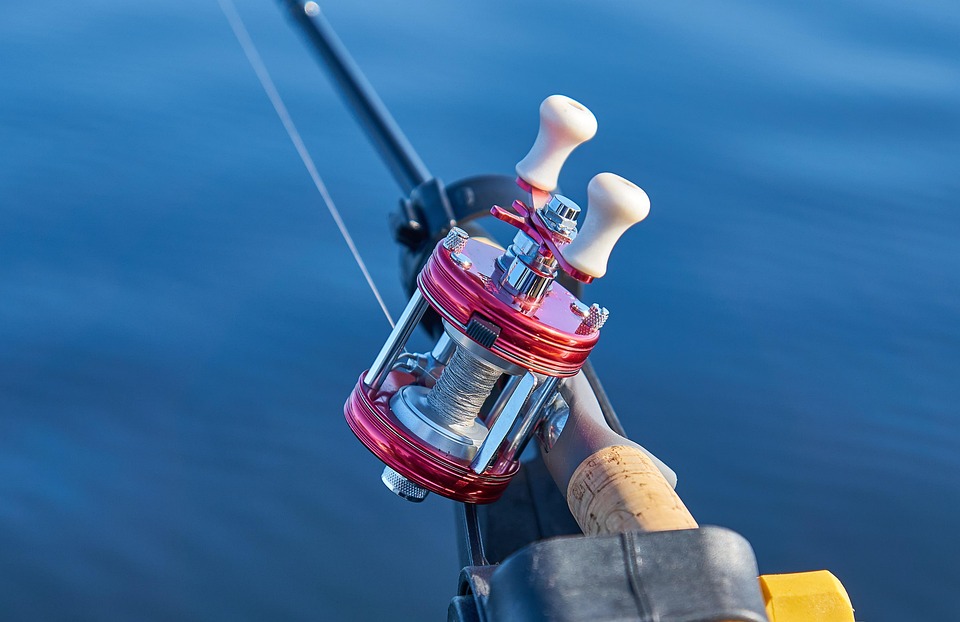
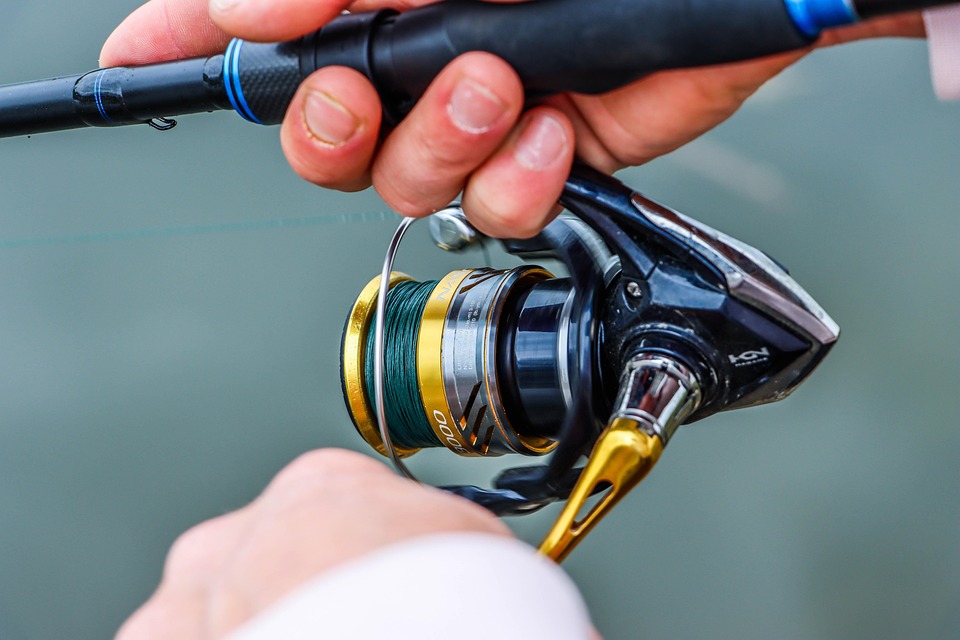
- Reel: Spinning reels are highly recommended for newcomers; they are easier to use than baitcasting reels and allow for more versatility.
Combination rod and reel kits are often available at a reasonable price, making them an excellent choice for beginners.
2. Fishing Line
The fishing line is your connection to the fish. Choosing the right type is vital:
- Monofilament Line: This type is beginner-friendly due to its stretch, making it more forgiving when fighting a fish.
- Braided Line: This has no stretch and is stronger, but it might be more challenging for newbies.
Typically, a 10 to 12-pound test line is adequate for general freshwater fishing.
3. Hooks
Hooks come in various shapes and sizes, tailored for different types of fish. As a beginner, you can use:
- J-Hooks: These are versatile and commonly used.
- Circle Hooks: They are great for catch-and-release fishing as they tend to hook fish in the lip.
Ensure you have a variety of hook sizes to match the fish species you aim to catch.
4. Bait and Lures
Bait is your offer to the fish, and it can be natural or artificial. Here’s what you can start with:
- Live Bait: Worms and minnows are excellent choices for beginners.
- Soft Plastics: These mimic the movement of fish and are fairly easy to use.
As you gain experience, you’ll find what works best for you and the local fish species.
5. Tackle Box
A tackle box is essential for organizing your gear. Look for one with compartments to keep your hooks, weights, and lures neatly sorted.
6. Additional Tools
Besides the essential gear, these additional tools can enhance your fishing experience:
- Fishing Pliers: Useful for removing hooks and cutting line.
- Measuring Tape: To ensure your catches meet size regulations.
- Net: Helps you land fish safely.
Understanding Local Regulations
Before you head out, familiarize yourself with local fishing regulations. Each state or region has specific laws regarding:
- Licensing requirements
- Catch limits
- Seasonal restrictions
Following these regulations helps conserve fish populations and habitats, ensuring a rewarding experience for future anglers.
Picking the Right Location
Choosing where to fish is just as crucial as having the right gear. Many beginner-friendly venues include:
- Parks with fishing lakes
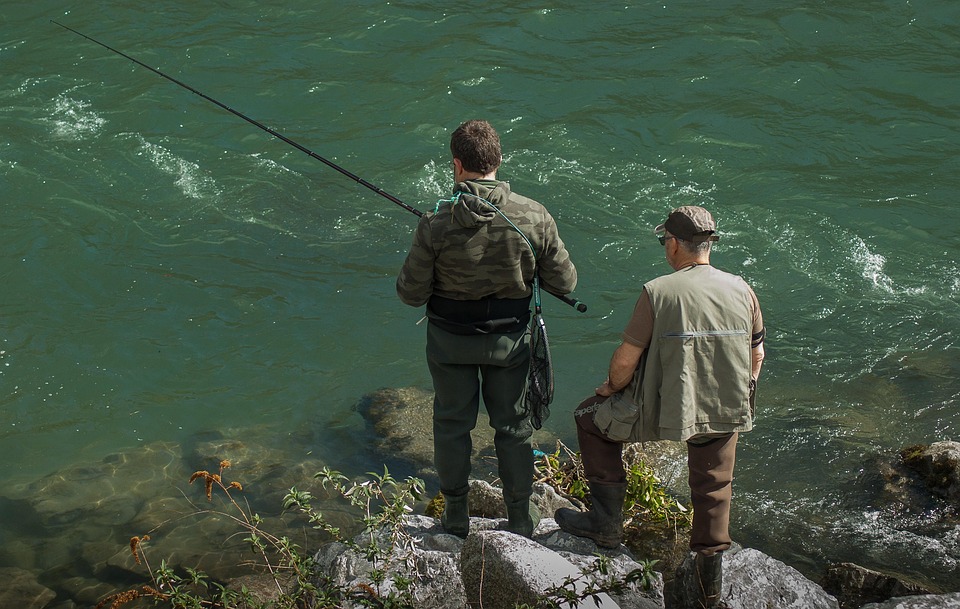
- Local rivers and streams
- Fishing piers and community ponds
Research local forums or social media groups; experienced anglers often share their suggestions for the best spots. Don’t hesitate to ask for recommendations!
Learning Techniques
Now that you have your gear and a location, it’s time to learn some basic fishing techniques:
- How to Cast: Practice casting in an open area before hitting the water to build confidence.
- Reeling Techniques: Experiment with different speeds and patterns to find what attracts fish.
- Hooking the Fish: When you feel a tug, wait a moment before setting the hook.
Online tutorials, local classes, and fishing buddies all offer great ways to learn these skills, so don’t hesitate to seek guidance!
Conclusion
Fishing is an enriching experience that brings relaxation and excitement. By investing in the essential gear, understanding local regulations, and familiarizing yourself with techniques, you can confidently begin your fishing journey. Remember, the key is patience and practice. As you spend more time on the water, you’ll develop your style and preferences, and soon, you’ll be hooked on fishing for life!
FAQs
1. Do I need a fishing license to fish?
Yes, most regions require a fishing license. Be sure to check your local regulations before fishing.
2. What’s the best time to go fishing?
Early mornings and late afternoons are generally considered the best times to fish, as many species are more active during these hours.
3. How do I know what type of fish is in my fishing spot?
Local fishing guides, online forums, and local bait shops can provide valuable information regarding what types of fish are present in your chosen area.
4. Can I fish year-round?
It depends on your location and the type of fish. Always check local seasons and regulations for specific guidelines.
5. What should I do if I catch a fish?
If you intend to keep the fish, follow local guidelines regarding size limits and preparation. If practicing catch and release, ensure you handle the fish gently and return it to the water quickly.
- beginner bass fishing
- beginner carp fishing
- beginner catfish fishing
- beginner fishing advice
- beginner fishing baits
- beginner fishing gear
- beginner fishing guides
- beginner fishing guides online
- beginner fishing knots
- beginner fishing lures
- beginner fishing mistakes
- beginner fishing reels
- beginner fishing rods
- beginner fishing strategies
- beginner fishing techniques
- beginner fishing tips
- beginner fishing trips
- beginner fishing tutorials
- beginner fishing videos
- beginner fly fishing
- beginner freshwater fishing
- beginner muskie fishing
- beginner panfish fishing
- beginner pike fishing
- beginner saltwater fishing
- beginner trout fishing
- fishing basics
- fishing for beginners
- how to fish
- new anglers tips




Leave a comment