







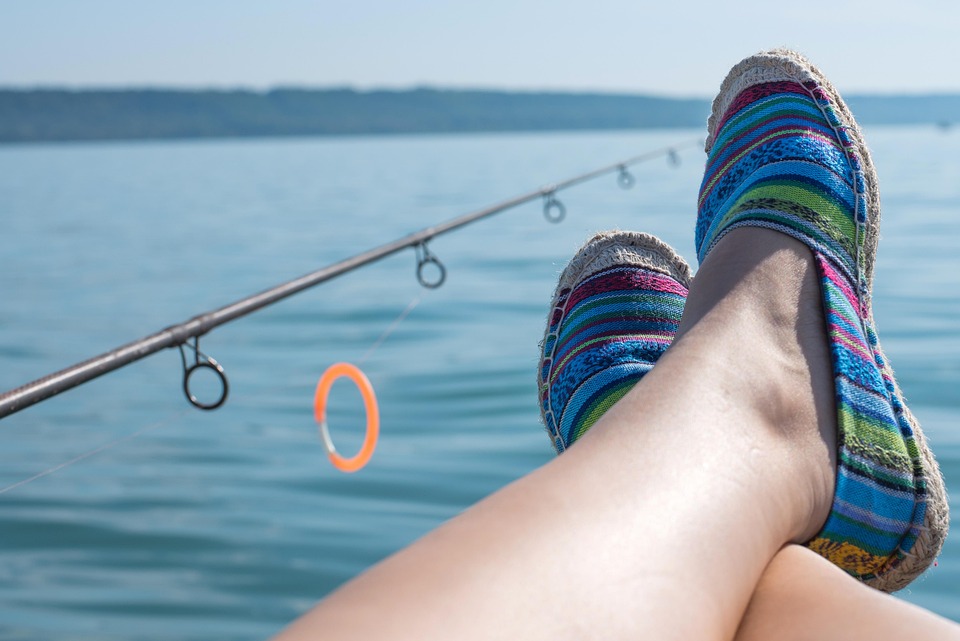


Fishing is more than just a hobby; it’s an adventure waiting to unfold. Whether you seek tranquility on a peaceful lake or the thrill of battling a feisty trout, the joys of angling transcend mere catching. For beginners, however, the array of equipment, techniques, and knowledge can be overwhelming. Fortunately, with some essential tips and a mindset open to discovery, anyone can cast into the rewarding world of fishing.
Understanding the Basics
Before you even think about casting your line, it’s crucial to understand the fundamental aspects of fishing. Familiarize yourself with the different types of fishing, the gear you’ll need, and, most importantly, the legalities surrounding fishing in your area.
Types of Fishing
- Freshwater Fishing: This type typically occurs in lakes, rivers, and ponds. Common catches include bass, trout, and catfish. Freshwater fishing is often recommended for beginners due to its accessibility.
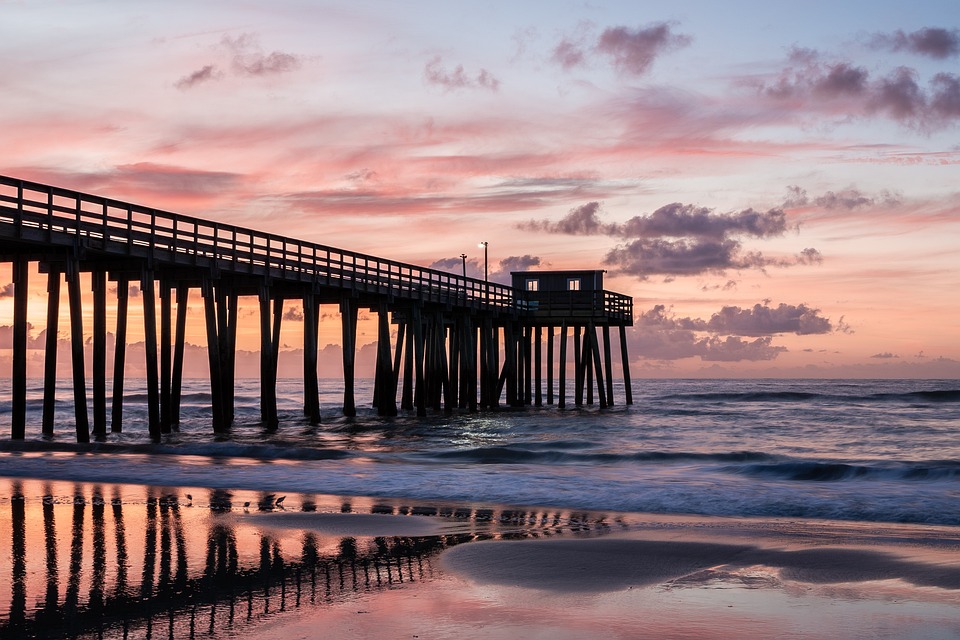
- Saltwater Fishing: This involves fishing in oceans or seas and often requires more specialized gear due to the conditions and species involved, such as snapper or marlin.
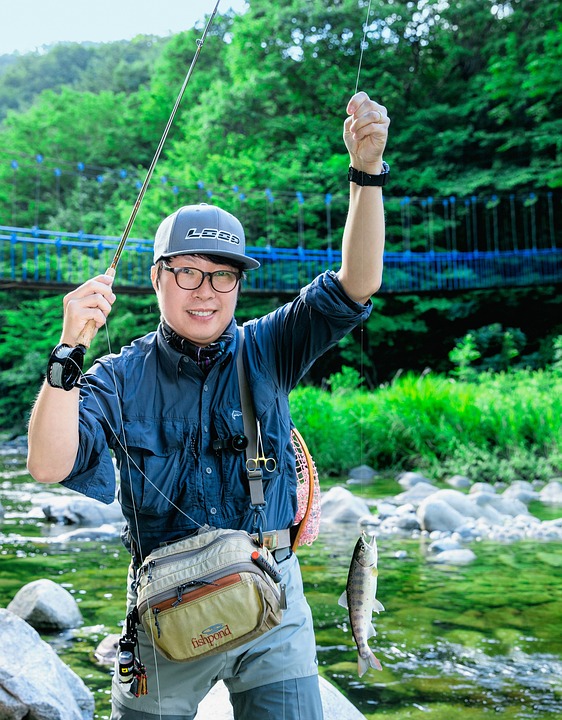
- Fly Fishing: A method that uses artificial flies to catch fish. This technique can be more challenging, but many beginners find it rewarding and artistic.
Essential Gear for Beginners
Starting with the right equipment doesn’t have to break the bank. Here’s a basic list of essentials:
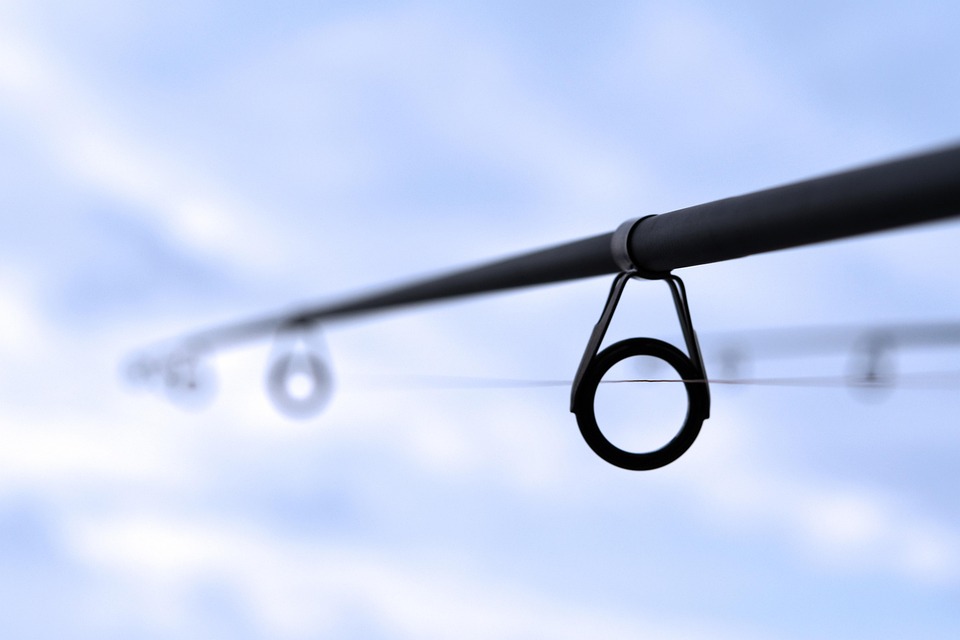
- Rod and Reel: A spinning rod and reel combo is ideal for beginners due to its ease of use.
- Fishing Line: A medium-strength monofilament line (10-14 lb test) is versatile for various fish species.
- Hooks and Lures: Begin with a selection of hooks (sizes 6-10) and a few versatile lures like spinners and soft plastics.
- Bait: Live bait (worms, minnows) is often effective and easy to use.
- Fishing License: Before you fish, ensure you obtain all necessary permits as regulations differ by location.
Techniques to Master
Once you’ve got your gear, the next step is mastering some basic fishing techniques. Unlike many activities, fishing requires not only skill but also patience and a bit of strategy.
Casting Techniques
Getting your lure or bait into the water is the first critical step in catching fish. Here’s how to perform a basic cast:
- Hold the rod at a 45-degree angle.
- Press the line release button or open the bail (on spinning reels).
- As you move the rod backward, create momentum.
- Quickly flick your wrist forward while releasing the line. Aim to cast just beyond the area where you think fish may be.
Practice this motion to develop your casting technique. Mastery takes time, so don’t get discouraged.
Understanding Water Conditions
Different water conditions require different tactics. Look for variables like:
- Temperature: Fish tend to be more active in warmer waters, especially in the early morning and late evening.
- Structure: Fish often hide around rocks, fallen trees, and underwater vegetation. Casting near these areas can yield better results.
- Weather: Overcast days can be prime time for fishing, as fish feel safer and are more likely to swim near the surface.
The Importance of Patience
Unlike many modern-day activities, fishing is inherently slow-paced, requiring patience and observation. Beginners often feel frustration when they don’t catch anything immediately—a normal part of the learning process. Engage in your surroundings, enjoy the scenery, and remember that each trip is an opportunity for growth.
Conservation and Ethical Fishing
As someone who is newly entering the world of angling, it is essential to embrace principles of environmental conservation. Practice ethical fishing by:
- Adhering to local fishing regulations.
- Practicing catch and release.
- Cleaning up after your fishing sessions to keep waterways clean for wildlife.
While You’re Out There
Preparation is key, but being adaptable during your fishing adventures is just as crucial. Here are a few tips to keep in mind:
Stay Aware and Pay Attention
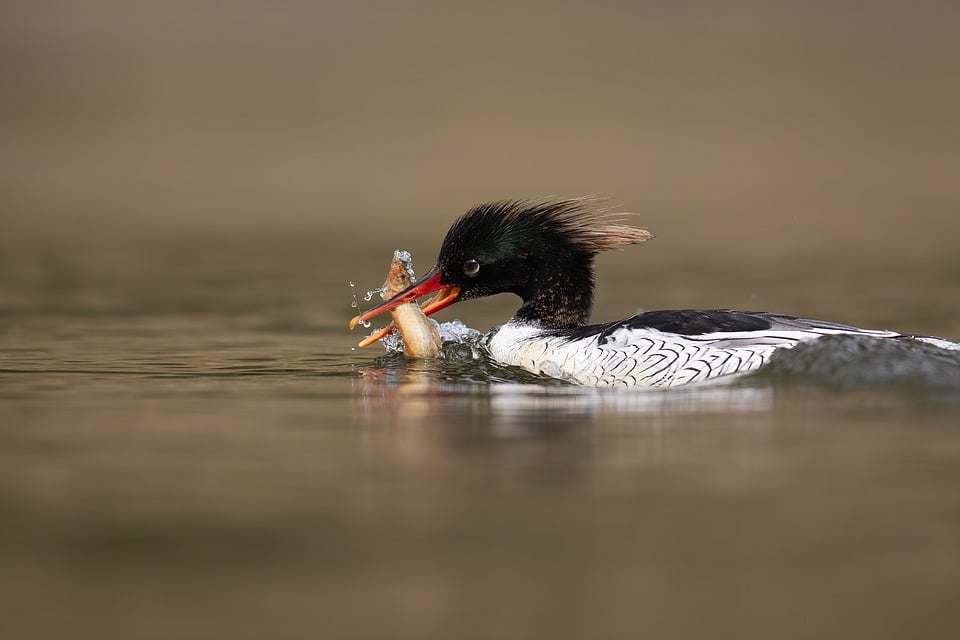
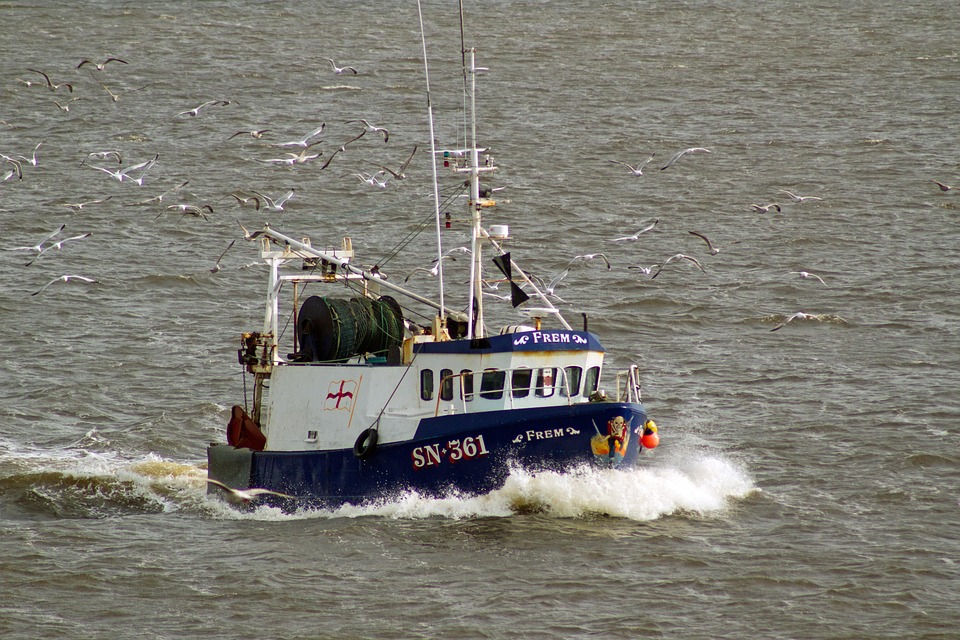
Look for signs of fish activity, such as jumping fish or birds diving into the water. When you spot these activities, approach quietly, making minimal splashes.
Work Together
If you’re fishing with friends or family, share tips, techniques, and even gear. This communal effort can make for a more enjoyable experience and help accelerate your learning curve.
Conclusion
Fishing is a gratifying endeavor that combines patience, strategy, and tranquility. As a beginner angler, immersing yourself in the experience allows you to learn about the environment, build skills, and enjoy moments of peace away from the hustle and bustle of daily life. With the right foundational knowledge, basic techniques, and a passion for adventure, you’ll be well on your way to creating cherished memories on the water. So grab your gear, gather some friends, and cast into the thrilling adventure of fishing!
FAQs
What is the best time to go fishing?
Early morning and late evening are often the best times as fish are more active during these hours. Weather conditions like overcast skies can also enhance your chances.
Do I need a fishing license?
Yes, in most areas, a fishing license is required to fish legally. Always check your local regulations to ensure compliance.
What bait should I use as a beginner?
Live bait like worms and minnows tends to be very effective for beginners, but learn to use lures as you become more comfortable.
How do I know where to fish?
Research local fishing spots, talk to experienced anglers, or visit local bait shops for advice. Often, areas with structure such as submerged rocks or vegetation are great places to start.
- beginner bass fishing
- beginner carp fishing
- beginner catfish fishing
- beginner fishing advice
- beginner fishing baits
- beginner fishing gear
- beginner fishing guides
- beginner fishing guides online
- beginner fishing knots
- beginner fishing lures
- beginner fishing mistakes
- beginner fishing reels
- beginner fishing rods
- beginner fishing strategies
- beginner fishing techniques
- beginner fishing tips
- beginner fishing trips
- beginner fishing tutorials
- beginner fishing videos
- beginner fly fishing
- beginner freshwater fishing
- beginner muskie fishing
- beginner panfish fishing
- beginner pike fishing
- beginner saltwater fishing
- beginner trout fishing
- fishing basics
- fishing for beginners
- how to fish
- new anglers tips








Leave a comment