










Muskie fishing is often described as the “fish of 10,000 casts,” symbolizing the challenge and thrill of pursuing one of the most elusive freshwater predators. As a member of the pike family, muskellunge (Esox masquinongy) can grow to impressive sizes, making them a prized catch for anglers around North America. This guide will delve into some exciting tips, techniques, and strategies for landing that trophy muskie.
Understanding the Muskie
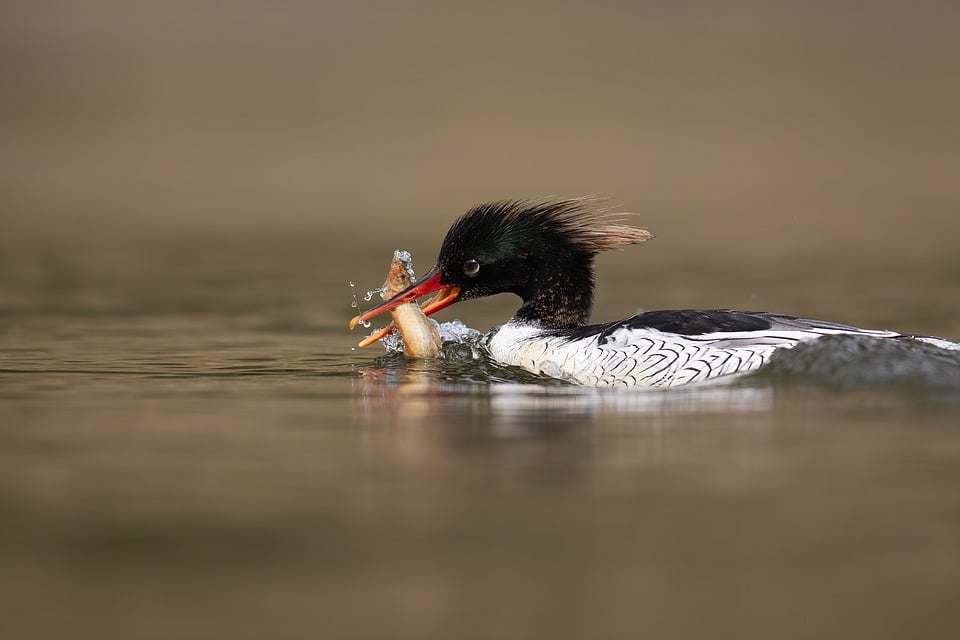
Before stepping foot on the water, it’s essential to understand the anatomy and behavior of muskies. These fish can reach lengths of up to 54 inches and weigh over 50 pounds, depending on the species and habitat. Muskies are apex predators, and their diet typically includes panfish, smaller pike, and even small mammals. They inhabit a variety of waters, from lakes to rivers, favoring areas with abundant structure like weeds, timber, and rocks where they can ambush prey.
Choosing the Right Gear
Rods and Reels
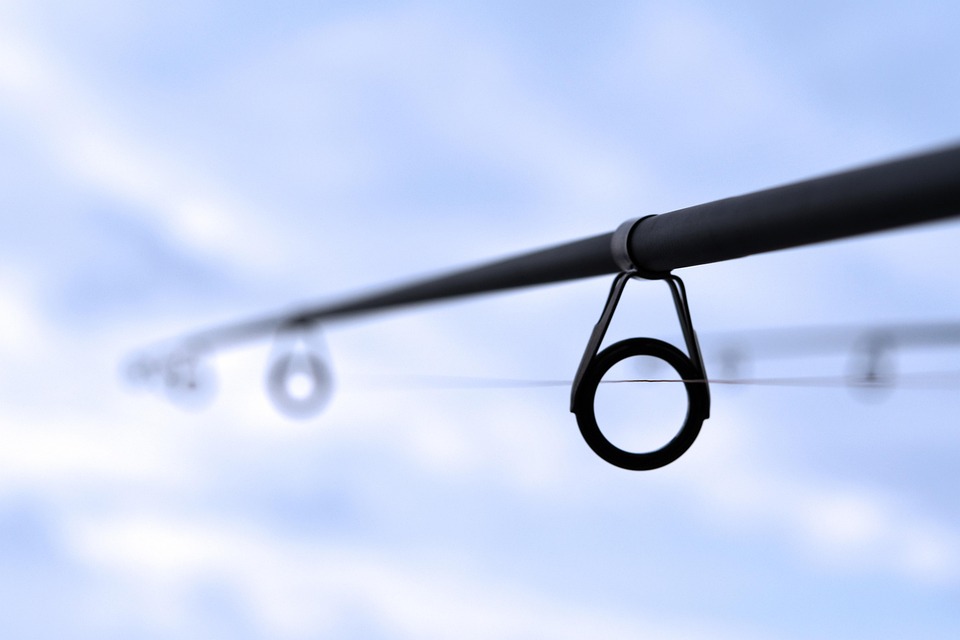
Selecting the appropriate rod and reel is crucial for successful muskie fishing. A medium to heavy-action rod between 7 to 9 feet in length is ideal, as it provides the necessary leverage to handle these formidable fish. Pairing it with a high-quality baitcasting reel designed for heavier lines (70-100 lb test) is recommended to withstand the strong pulls of a muskie.
Line Selection
Choosing the right line is equally important. Braided lines are commonly preferred due to their strength and low stretch, which enhances sensitivity and hook-setting power. A leader line of around 80-100 lb test fluorocarbon or steel is often used to prevent bite-offs, given the muskie’s sharp teeth.
Baits and Lures
When it comes to bait, muskies are not picky eaters. They can be caught using a variety of lures including:
- Spinnerbaits: Effective in various conditions and can provoke aggressive strikes.
- Topwater Lures: Exciting to use, especially during early mornings or late evenings.
- Jerkbaits: Mimics injured prey and can be deadly when retrieved with erratic movements.
- Big Swimbaits: Ideal for imitating larger prey, including other fish.
Timing is Everything
The muskie’s behavior changes with the seasons, making timing an essential factor for a successful outing. Spring and fall are often considered the best seasons for muskie fishing, as these times coincide with their spawning and feeding activities.
- Spring: As water temperatures rise, muskies become more active, often moving into shallower water to spawn. Focus on areas where shallow and deep water meet.
- Summer: In the warmer months, muskies may retreat to deeper parts of the lakes or rivers to avoid the heat. Night fishing or dawn and dusk excursions can yield better results.
- Fall: During the fall, muskies become extremely aggressive as they prepare for winter, making it a prime time for anglers.
Techniques for Success
Structure and Cover
Locating structure such as submerged timber, rock piles, and weed beds is vital for finding muskies. These features not only provide shelter for the fish but also attract their prey. Using a fish finder can greatly assist in identifying promising areas.
Presentation Techniques
Slow Roll: Retrieve your lure slowly and steadily around these structures, allowing it to stay within the strike zone longer.
Pumping: Occasionally, a stop-and-go method can generate interest, mimicking the erratic movement of injured prey.
Figure-Eight Technique: As you reel your lure back to the boat, consider completing a figure-eight motion at the water’s surface to entice any following muskies into striking.
Patience and Persistence
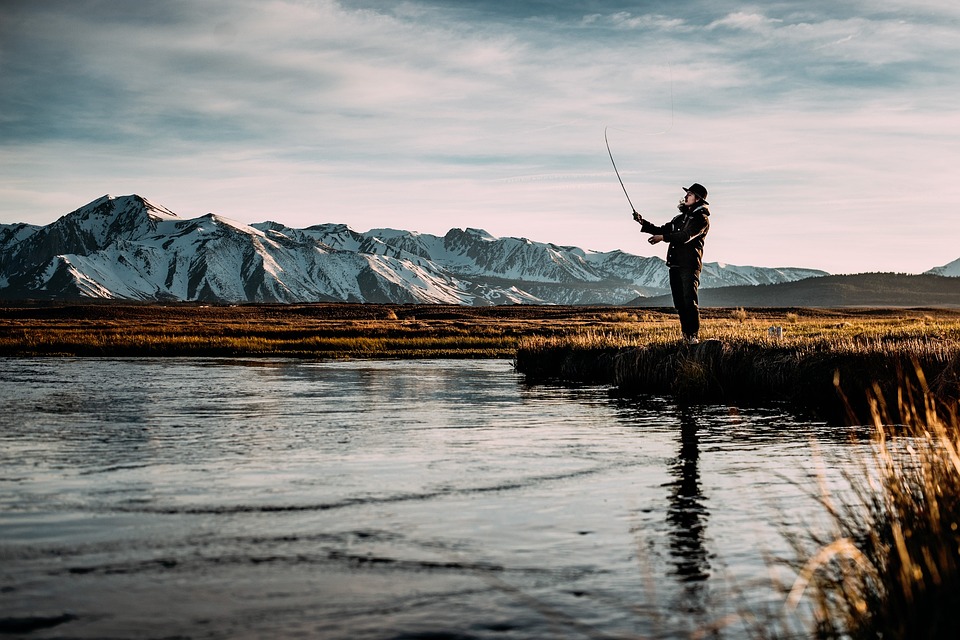
Successful muskie fishing often requires patience and perseverance. Don’t be discouraged if you don’t catch one right away. Spend time experimenting with different lures, locations, and techniques to understand what works best.
Handling and Releasing Muskies
Once you’ve hooked a muskie, proper handling techniques are crucial for the fish’s survival. Use a rubber net to minimize harm, and when lifting, support the fish horizontally. If you plan to release it, minimize air exposure and keep it in the water as much as possible. Respecting regulations regarding size limits and catch-and-release practices ensures that future generations can enjoy muskie fishing as well.
Selecting the Right Location
Identifying the ideal body of water can make or break your fishing trip. Popular muskie fishing locations include:
- Great Lakes: Known for record-sized muskie specimens.
- Chain O’ Lakes: This connected lake system in Illinois is famous for its muskie population.
- St. Lawrence River: A beautiful and productive muskie fishery.
Conclusion
Muskie fishing is not just about the catch; it’s an engaging experience that connects anglers with nature. By understanding the behavior of muskies, equipping yourself with the right gear, and employing effective techniques, you can increase your chances of landing this legendary fish. Remember, every angler’s journey is unique, filled with challenges and triumphs. Embrace the adventure, respect the resource, and enjoy the thrill of the chase!
FAQs
1. What is the best time of year to catch muskies?
The best times are typically spring and fall when they are most active and feeding aggressively. Summer night fishing can also be productive.
2. What size of lures should I use?
Muskies are attracted to larger lures, typically between 6 to 10 inches in size, including swimbaits, jerkbaits, and large spinnerbaits.
3. Do I need a fishing license to catch muskies?
Yes, fishing licenses are required and vary by state or province. Ensure you familiarize yourself with local regulations.
4. Can I catch muskies from shore?
Yes, while it may be more challenging, there are spots where muskies can be caught from shore, particularly near structure.
5. How can I ensure the safe release of a muskie?
Use rubber nets, minimize air exposure, and wet your hands before handling the fish. Always support the fish horizontally when lifting.
- bass fishing
- Bluegill Fishing
- carp fishing
- catfish fishing
- Crappie Fishing
- freshwater angling
- freshwater bait fishing
- freshwater fishing
- freshwater fishing gear
- freshwater fishing guides
- freshwater fishing species
- freshwater fishing techniques
- freshwater fishing tips
- freshwater fly fishing
- freshwater spinning fishing
- inland fishing
- lake fishing
- lakes fishing
- largemouth bass fishing
- muskie fishing
- panfish fishing
- Perch Fishing
- pike fishing
- pond fishing
- reservoir fishing
- reservoirs fishing
- river fishing
- rivers fishing
- Salmon Fishing
- smallmouth bass fishing
- stream fishing
- Tilapia Fishing
- Trout Fishing
- Walleye Fishing







Leave a comment