










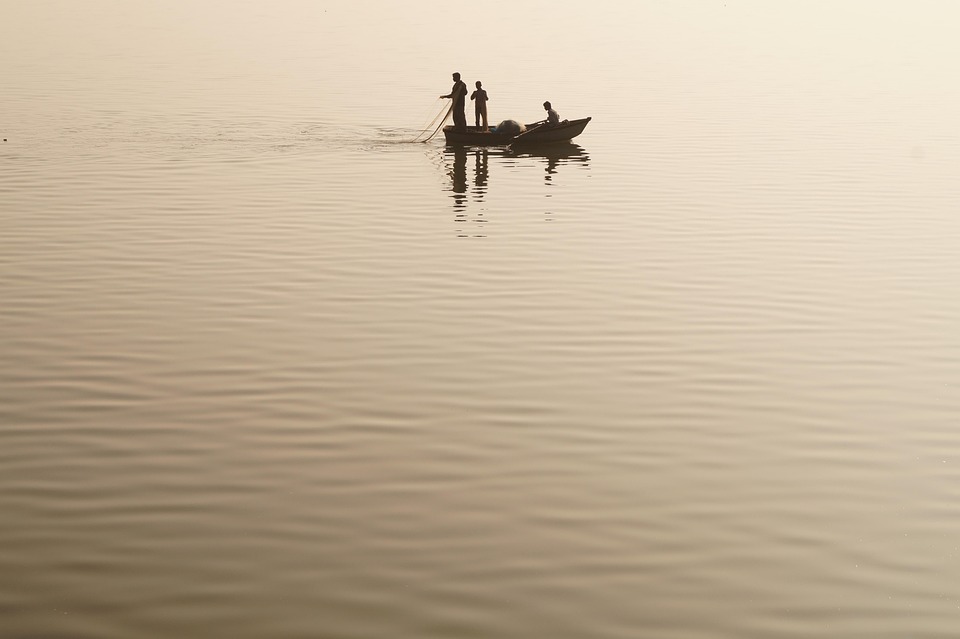







Picture yourself standing at the edge of a wide river as the sun begins to dip below the horizon, painting the sky in hues of orange and pink. The majestic sound of rushing water surrounds you as you cast your line into the depths of the unknown. For many anglers, this is not just a fishing trip; it’s an adventure in pursuit of one of the largest freshwater fish in the world—the catfish.
The Allure of the Monster Catfish
Monster catfish, particularly species like the Mekong catfish, the Wels catfish, and the Blue catfish, have captured the imaginations of fishermen and adventurers alike. With some individuals weighing over 600 pounds and measuring more than 10 feet in length, these leviathans inhabit various rivers and lakes across the globe.
The sheer size and strength of these fish make them both a challenge and a thrill to catch. But it’s not just the act of fishing that draws enthusiasts; it’s the lifestyle and camaraderie that develop along the way. Local guides, seasoned anglers, and occasional tourists converge at hotspots known for abundant catfish, sharing stories, tactics, and the excitement of the chase.
The Techniques: Gear Up for Success
Chasing giants requires both specific gear and techniques. Many anglers opt for heavy-duty rods capable of handling large fish, paired with durable reels that can accommodate thick fishing lines. The typical setup includes:
- Rods: Heavy-action rods are ideal, as they provide the strength needed to reel in a giant.
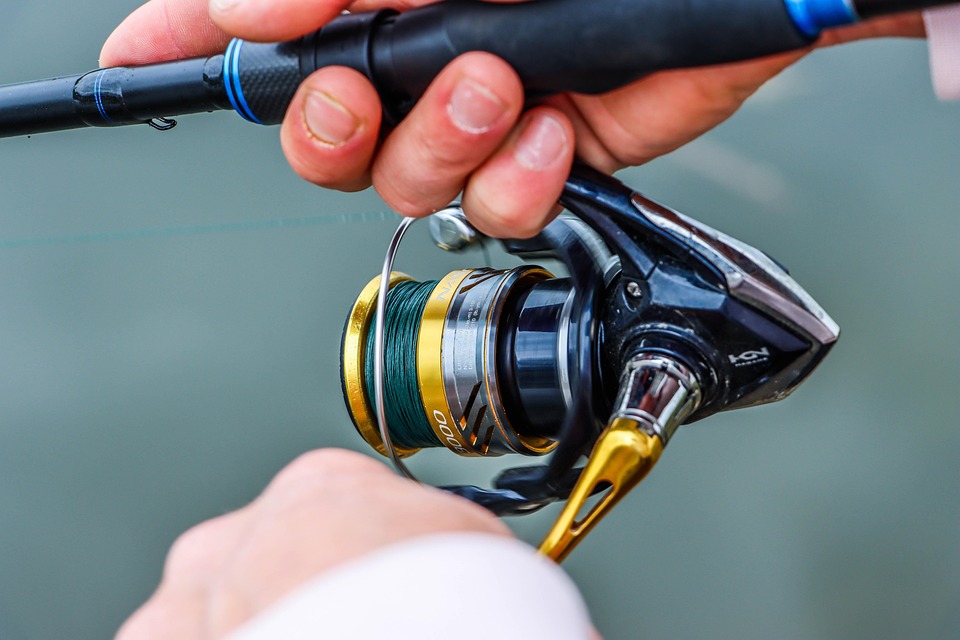
- Reels: Baitcaster reels offer precision and control, while spinning reels can accommodate heavier line weights.
- Line: Thick braided lines, often rated for 80-100 pounds, help prevent breakage.
- Baits: The choice of bait can vary, but live bait such as shad, eel, or even large chunks of fish tends to be particularly effective.
Locations: The Best Spots for Giant Catfish
Finding the right location is crucial for successful catfish fishing. Here are some renowned locations:
Mekong River, Southeast Asia
The Mekong River is home to the Mekong catfish, which is one of the largest freshwater fish species in the world. With the potential to reach sizes of over 650 pounds, it’s a bucket-list destination for serious anglers. Local fishing regulations and guided tours can help you navigate this iconic river.
River Thames, England
Surprisingly, the River Thames is a hotspot for large Wels catfish. Growing up to 15 feet long, these fish can be found lurking in the depths of the river, making the Thames an unexpected paradise for anglers.
Mississippi River, USA
The Mississippi River is home to the Blue catfish, which can reach over 100 pounds. The river’s numerous backwaters and tributaries provide ample opportunities for fishing, especially during the warm months when the catfish are more active.
The Art of Catching Catfish
Catching a giant catfish is more than just a test of strength; it’s an art. Timing, patience, and understanding the fish’s behavior are essential. Here are a few tips:
1. Understand the Fish’s Habits
Catfish are primarily nocturnal feeders. Understanding when and where they tend to feed can increase your chances of success. Look for areas with strong currents or submerged structures where catfish might hide.
2. Patience is Key
Fishing for giant catfish often requires long hours of waiting. Find a comfortable spot, settle in, and enjoy the tranquility of nature. Many seasoned anglers recommend bringing a good book or some snacks to pass the time.
3. Use the Right Techniques
Different techniques can be employed, such as bottom fishing or drift fishing. It can be beneficial to experiment with both to see what produces better results on any given day.
4. Be Prepared for a Fight
When you catch a catfish, be prepared for a battle. These fish are incredibly strong, and reeling them in can be both taxing and exhilarating. Maintain a firm grip on your rod and be ready for sudden surges as the fish fights for its freedom.
The Conservation Challenge
The pursuit of giant catfish is not without its challenges. Overfishing, habitat destruction, and pollution threaten these magnificent creatures. The World Wildlife Fund (WWF) reports that many catfish species are facing declining populations, making conservation efforts increasingly important.
Anglers today have the opportunity to engage in responsible fishing practices. Catch and release strategies, promoting sustainable tourism, and supporting local conservation programs can help ensure that future generations have the chance to experience the thrill of catfish fishing.
Cultural Significance and Community Engagement
In addition to individual pursuits, the catfish fishing community often fosters a shared passion that transcends borders. Annual tournaments and fishing festivals celebrate both the beauty of the fish and the culture surrounding the sport. Regions famous for their catfish populations attract tourists eager to experience local traditions, cuisine, and knowledge.
Culinary Delights
In many cultures, catfish is not just a sport fish; it’s also a delicacy. Dishes featuring fried catfish, catfish gumbo, or even catfish tacos can be found in the culinary repertoire of various regions, showcasing the versatility of this fish.
The Future of Monster Catfish Fishing
As technology continues to evolve, so does the art of fishing. Advanced sonar technology, improved tackle, and better understanding of fish behavior have transformed how anglers approach fishing for catfish. Social media platforms also play a vital role in fostering community, as fishermen share tips, stories, and experiences from their adventures.
However, while embracing these advancements, it’s essential to maintain respect for nature and uphold ethical fishing practices. As we venture into the future of monster catfish fishing, a balanced blend of tradition, innovation, and conservation will ensure a sustainable and vibrant ecosystem for generations to come.
Conclusion
Chasing giants is not merely about catching fish; it’s about embracing the spirit of adventure, forging connections with fellow anglers, and respecting the delicate balance of our ecosystems. Whether you’re standing by a riverbank waiting for a tug on your line or celebrating a successful catch with friends, the experience of monster catfish fishing offers a unique blend of thrill and tranquility. With the proper techniques and conservation efforts in place, the legacy of giant catfish fishing can continue to inspire and enthrall fishing enthusiasts from all walks of life.
FAQs
1. What is the world record for the largest catfish?
The current world record for the largest catfish is held by a Mekong catfish caught in northern Thailand, weighing an astounding 646 pounds (293 kg).
2. What is the best season to fish for giant catfish?
The best time to fish for giant catfish varies by region, but generally, the warmer months (spring and summer) when they are more active are ideal.
3. Can I catch catfish from shore, or do I need a boat?
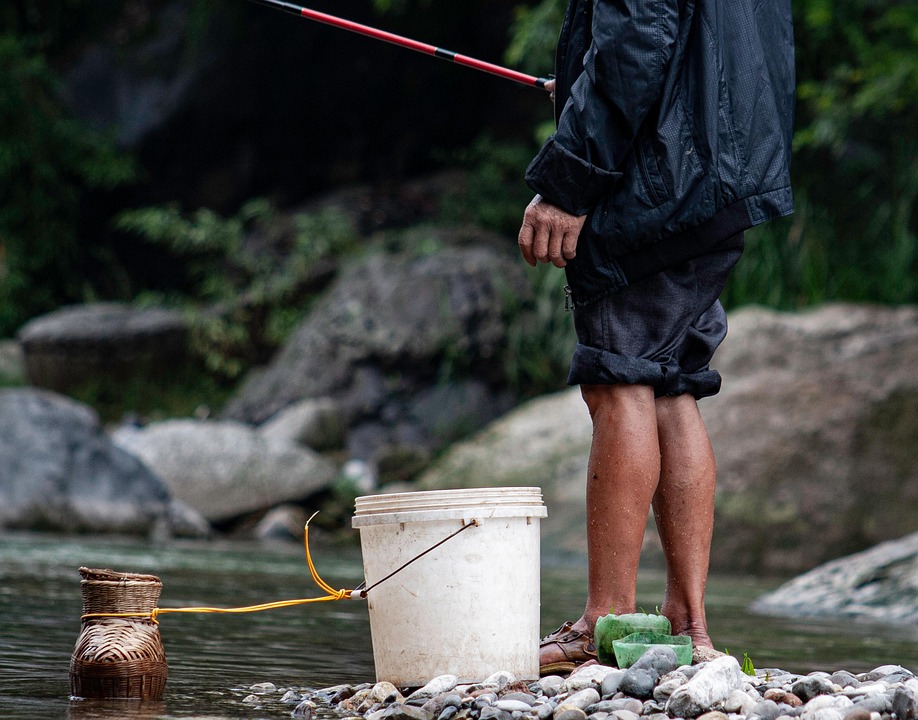
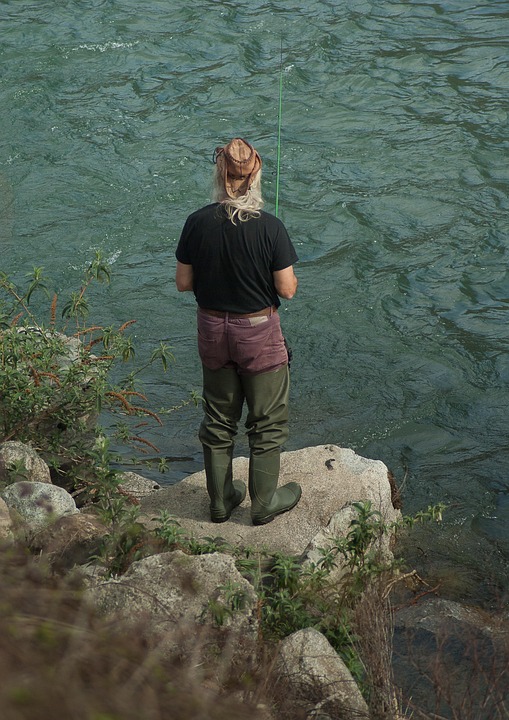
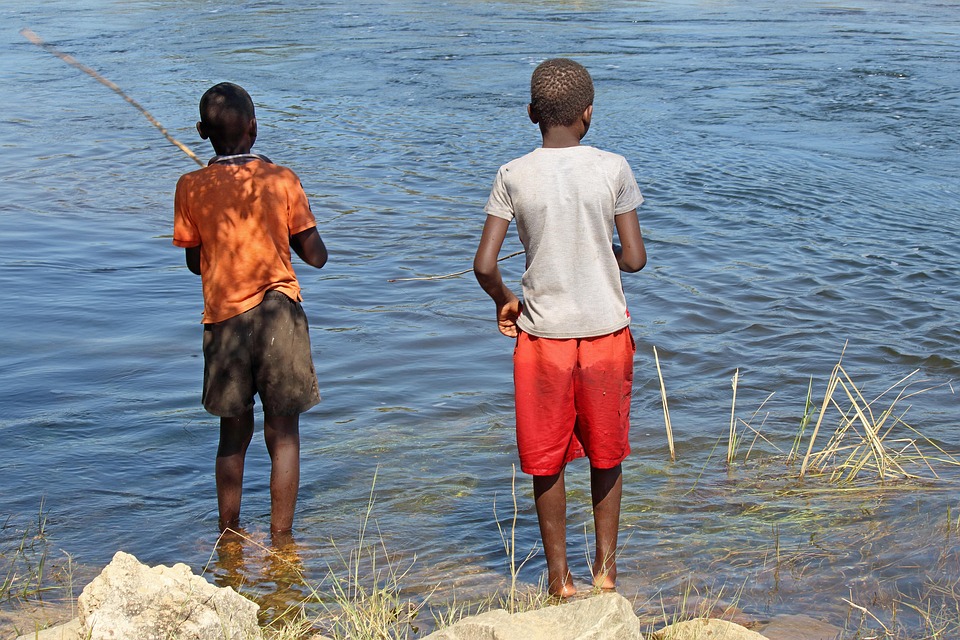
While fishing from a boat can offer more mobility and access to deeper waters, many anglers successfully catch catfish from the shore, especially in rivers and lakes.
4. Are there any specific fishing regulations I should be aware of?
Fishing regulations vary by location. It’s essential to check local rules regarding catch limits, bait use, and licensing to ensure a responsible fishing experience.
5. How can I practice catch and release effectively?
To practice catch and release, use barbless hooks, minimize handling of the fish, and ensure it is released promptly back into the water to minimize stress and injury.
- advanced catfish fishing
- blue catfish fishing
- catfish angling
- catfish bait
- catfish fishing
- catfish fishing for beginners
- catfish fishing gear
- catfish fishing guides
- catfish fishing reels
- catfish fishing rods
- catfish fishing seasons
- catfish fishing spots
- catfish fishing tactics
- catfish fishing techniques
- catfish fishing tips
- catfish hooks
- catfish rigs
- catfish species
- channel catfish fishing
- cut bait catfish fishing
- deep water catfish fishing
- flathead catfish fishing
- lake catfish fishing
- live bait catfish fishing
- monster catfish fishing
- night catfish fishing
- river catfish fishing
- shallow water catfish fishing
- stink bait catfish fishing
- trophy catfish fishing







Leave a comment