












Chasing Giants: The Ultimate Guide to Muskie Fishing Adventures
For anglers who crave a challenge, few pursuits rival the thrill of muskie fishing. Known as the “fish of 10,000 casts,” muskellunge (Esox masquinongy) capture the imagination of fishing enthusiasts worldwide. Their elusive nature, coupled with their size and power, makes the hunt for these giants a cornerstone of sport fishing. In this guide, we’ll explore the essentials of muskie fishing, from understanding their habitats to advanced techniques that can improve your success rate.
The Allure of the Muskellunge
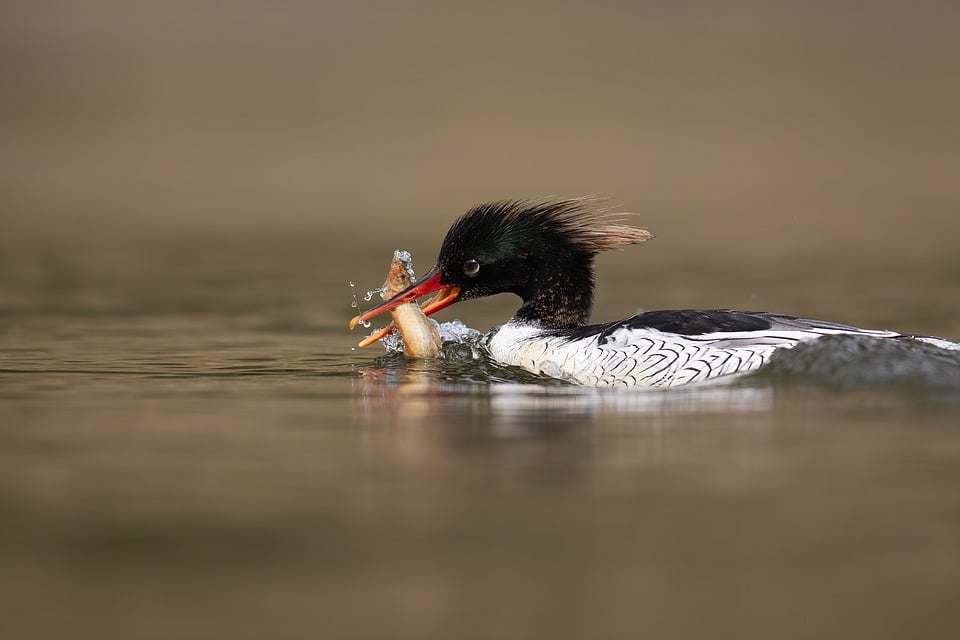
Muskies are often referred to as “the fish of a thousand casts,” a nickname that reflects their reputation for being elusive. They can grow to impressive lengths, often reaching 50 inches or more, and can weigh upwards of 30 pounds. Their striking appearance, characterized by a long, torpedo-shaped body, sharp teeth, and a distinctive pattern of markings, adds to their appeal for both trophy seekers and seasoned anglers alike.
The pursuit of muskies can evoke a sense of adventure. They inhabit diverse waters ranging from river systems and lakes to reservoirs, often preferring colder environments. Recognizing their habitats is vital for any aspiring muskie hunter.
Understanding Muskie Habitats
Identifying the prime habitats for muskellunge can significantly increase your chances of success. They prefer a mix of cover, ambush locations, and open waters. Here are some key components of successful muskie habitats:
- Structure: Look for underwater structures such as rocks, weed beds, and sunken timber. These natural habitats provide cover where muskies can hide and ambush their prey.
- Depth: Muskies tend to stay in deeper waters during hot summer months and move into shallower areas during cooler weather or early mornings and late evenings.
- Water Temperature: Muskies prefer water temperatures ranging from 65°F to 75°F. During cooler months, they can often be found in deeper waters.
- Food Sources: Understanding the local food web is crucial. Muskies primarily feed on fish such as perch, bluegills, and smaller pike, so being aware of their prey can guide you in selecting effective lures and baits.
Essential Gear for Muskie Fishing
Success in muskie fishing requires the proper gear. Here’s a look at the essential equipment every angler should consider:
1. Rods and Reels
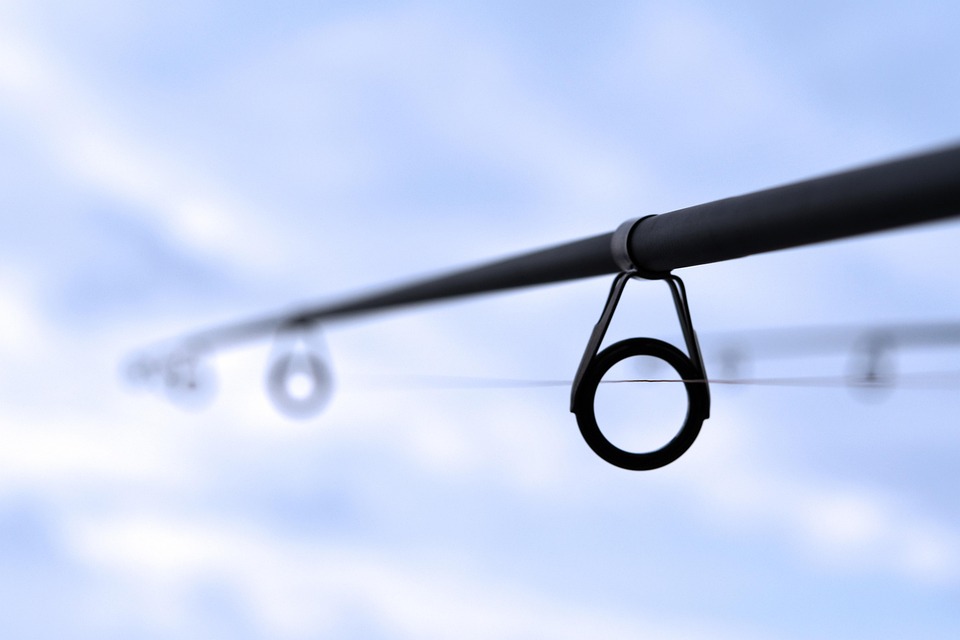
Opt for a heavy to medium-heavy rod, typically between 7 to 9 feet in length. A suitable reel should have a high line capacity, ideally a baitcasting reel or a large spinning reel with a strong drag system.
2. Lines and Leaders
Use braided line of at least 65-pound test strength, paired with a steel or fluorocarbon leader to withstand the muskies’ sharp teeth.
3. Lures
Muskies follow large baits, so you must have various lures at your disposal. Some popular choices include:
- Topwater lures like baits that create surface commotion.
- Swimbaits, which mimic the movement of injured fish.
- Jerkbaits and bucktails that create a flash and movement.
4. Safety Gear
Life jackets, first-aid kits, and sufficient food and water are also essential for safety during your fishing trips.
Techniques for Muskies
Understanding effective fishing techniques can make a dramatic difference in your success rate:
1. Casting and Retrieving
One of the most traditional techniques is casting. By varying your retrieve speed and incorporating pauses, you can simulate the erratic movements of injured prey, enticing muskies to strike.
2. Trolling
Trolling allows you to cover a more extensive area. When trolling, consider adjusting the depth of your lures to match the level at which muskies are currently feeding.
3. Follow-up Fishing
If a muskie strikes and misses your lure, don’t reel in immediately. Continue to retrieve your lure, as muskies may follow and strike again. Having a follow-up lure or a second rod ready can be advantageous.
4. Night Fishing
Night fishing can yield impressive results, particularly in heavily fished areas. Muskies may be more active at night, providing another opportunity to land a trophy fish.
Timing is Everything
Success in muskie fishing often hinges on timing. Early morning and late evening are prime times for fishing, as muskies are more likely to be actively hunting. Additionally, specific seasonal patterns can influence muskie behavior:
- Spring: Muskies are in shallow waters during the spawn, making them easier to catch.
- Summer: Focus on deeper waters where muskies can be found in cooler conditions.
- Fall: Muskies prepare for winter and can often be found feeding aggressively in shallow waters.
- Winter: Ice fishing for muskies can be particularly rewarding, as they are somewhat less active but can still be caught with the right bait.
The Conservation Challenge
Muskie populations are heavily influenced by environmental factors and angler interactions. Ensuring that you follow local regulations, practice catch-and-release when possible, and respect the natural environments can help preserve the muskie populations for future generations.
Many anglers today support conservation efforts, such as participating in species management programs and advocating for sustainable fishing practices. By protecting their habitats and understanding the importance of ecological balance, fishermen can enjoy this pursuit while contributing to the overall health of aquatic ecosystems.
Conclusion
Chasing muskies offers a unique blend of challenge, excitement, and a deep connection to nature. The thrill of a muskie strike is an unforgettable experience, but it requires gear, knowledge, and patience. By understanding the right techniques, being mindful of local regulations, and respecting these magnificent fish and their habitats, anglers can ensure that the pursuit of muskies remains a cherished tradition for years to come. Whether you’re a seasoned pro or a novice, the world of muskie fishing is waiting to offer its wonders – grab your gear and prepare for an adventure that may well change your life!
Frequently Asked Questions (FAQs)
1. What is the best time of year to fish for muskies?
The best times to fish for muskies vary by season. Spring and fall are typically regarded as the most productive times, while summer fishing often shifts to deeper waters. Early mornings and late evenings are generally the most effective times of day.
2. Can you catch muskies from shore?
Yes, while boat fishing is more common, it is possible to catch muskies from shore in certain locations. Focus on areas where muskies are likely to be, like near structures or drop-offs.
3. How should I handle a muskie after catching it?
Always wet your hands before handling a muskie to protect its slime coat, which is essential for its health. Use pliers to remove hooks whenever possible and handle the fish as little as necessary. Practice catch-and-release techniques to support population growth.
4. What type of bait is most effective for muskies?
Muskies are attracted to large lures and baits that imitate their natural prey. Popular choices include topwater lures, swimbaits, jigging lures, and jerkbaits. Experimenting with various techniques can help you find what works best on a given day.
5. Are muskies dangerous to humans?
Muskies are not considered dangerous to humans; however, they have sharp teeth and can give a painful bite if mishandled. Always take care when handling any fish and remember to use caution.
- advanced predator fishing
- aggressive fish fishing
- barracuda fishing
- barracuda lure fishing
- freshwater predator fishing
- large predator fishing
- muskie fishing
- muskie lure fishing
- pike fishing
- pike lure fishing
- predator angling
- predator fishing
- predator fishing baits
- predator fishing destinations
- predator fishing for beginners
- predator fishing gear
- predator fishing guides
- predator fishing lures
- predator fishing reels
- predator fishing rigs
- predator fishing rods
- predator fishing seasons
- predator fishing spots
- predator fishing tactics
- predator fishing techniques
- predator fishing tips
- predatory fish fishing
- saltwater predator fishing
- zander fishing
- zander jigging








Leave a comment