









Jigging has evolved into one of the most exhilarating styles of fishing, captivating anglers across the globe. With its unique blend of technique, timing, and an affinity for understanding fish behavior, jigging offers not just a method to catch fish but an entire experience steeped in strategy. In this guide, we will delve into the best jigging seasons, the types of jigging techniques, and the kind of gear that makes for successful fishing trips, particularly focusing on the various seasonal patterns that dictate fishing success.
Understanding Jigging
Jigging is a method where anglers use a jig—a type of fishing lure designed to be quickly dropped into water and then jerked back—to entice fish. This technique can vary based on the size, shape, and action of the jig, as well as the species of fish targeted. Commonly used in both freshwater and saltwater, jigging appeals to a range of fish species from trout to tuna.
The Science of Seasons
Fishing seasons are heavily influenced by a variety of environmental factors, including water temperature, weather patterns, and spawning cycles of different fish species. Understanding these factors can help anglers optimize their jigging trips.
Spring: Awakening in Warm Waters
As water temperatures begin to rise in spring, fish become more active after a winter hibernation. During this season, predators like bass and pike are particularly responsive to jigs. Deep water marks become less favorable, encouraging fish to migrate towards shallow spawning grounds. The best jigging strategies for spring include:
- Using lighter jigs with more subtle movements to mimic spawning activity.
- Targeting structures like rocks and submerged vegetation where fish gather to spawn.
- Utilizing bright and flashy jigs that catch sunlight, drawing fish in.
Summer: The Peak Season
Summer is often heralded as the prime season for jigging. The warmth drives fish into deeper waters during the day but encourages them to roam shallower in the mornings and evenings. Key strategies during summer include:
- Employing heavier and larger jigs to reach the depths where fish tend to hide.
- Switching to faster jigging techniques to mimic the quicker movements of baitfish.
- Fishing early in the morning or late in the evening when fish are on the move.
Species like salmon and halibut are frequent targets in summer, making this a favorable time for jigging anglers.
Fall: Fat and Furious
As temperatures cool down in the fall, fish begin to feed aggressively in a last-ditch effort to store energy for the winter. Fall is characterized by the phenomenon known as the “fall bite,” where fish like walleye and muskies are particularly ravenous. Effective jigging strategies during this season include:
- Using larger profiles as fish are looking to bulk up for winter.
- Incorporating erratic jigging motions to simulate distressed prey.
- Targeting deeper water structures as fish prepare for winter.
Winter: A Cool Challenge
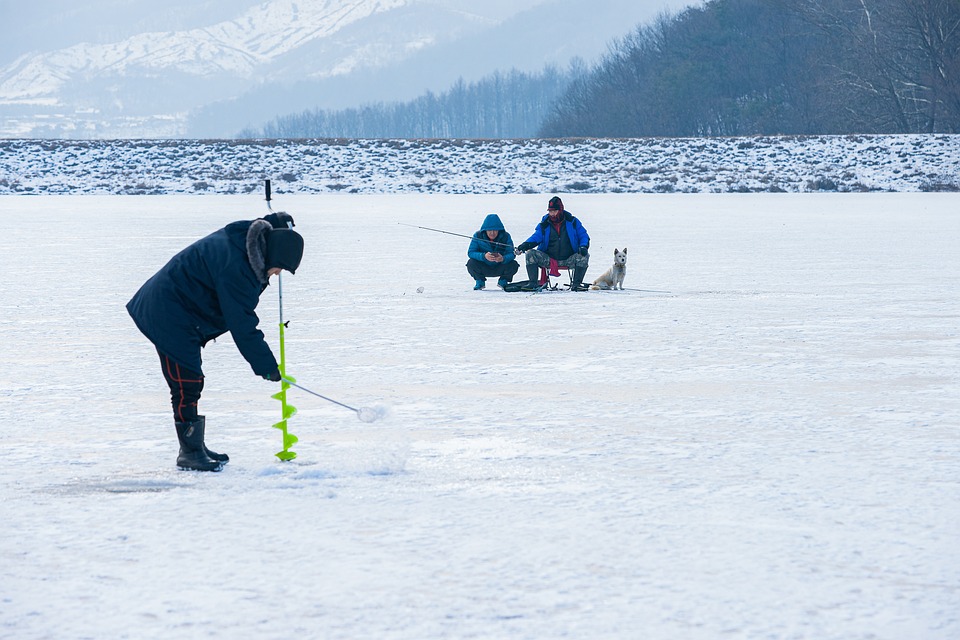
While many anglers hang up their gear during the cold months, jigging can still be fruitful in winter, particularly through ice fishing. Ice jigging often brings a different set of techniques and requires a focused approach:
- Smaller jigs are more effective, as fish tend to be less aggressive in cold water.
- Slow, deliberate movements are crucial; fish often require more coaxing to bite.
- Strategic hole placement in areas with known fish activity can yield better results.
Jigging Techniques and Gear
Regardless of the season, having the right gear is vital for jigging success. Here’s a rundown on the essentials:
Rods and Reels
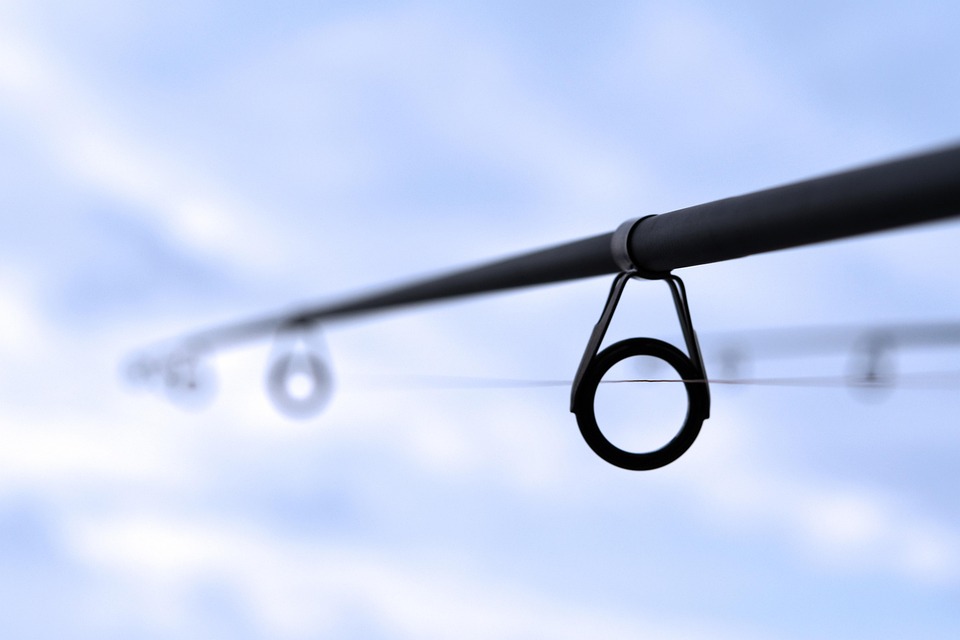
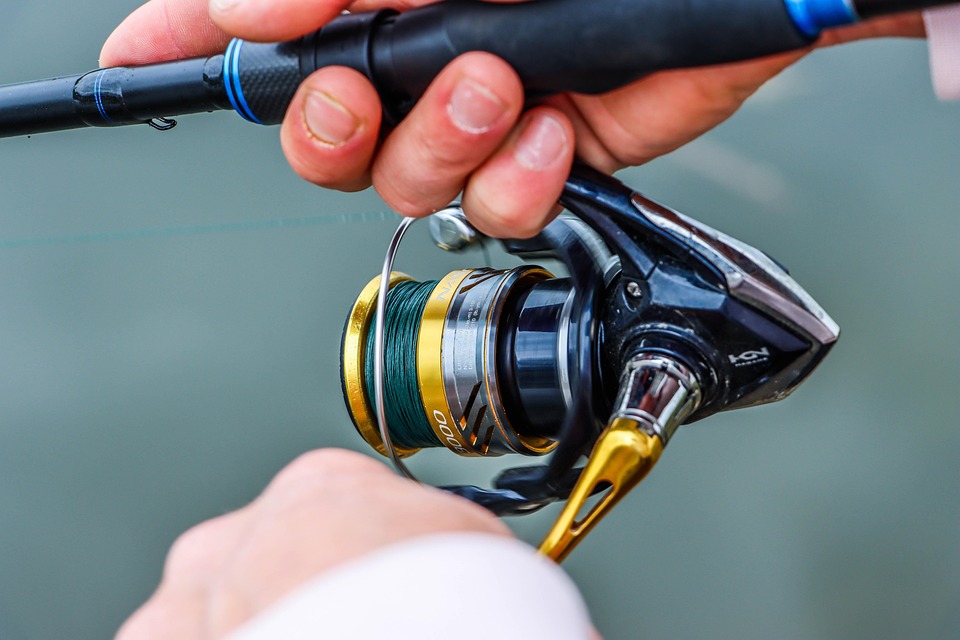
Choosing the right rod and reel combination can make a significant difference. Opt for a medium to medium-heavy rod with a fast action tip to detect subtle bites. Spinning reels are often preferred for their versatility and ease of use, particularly when working with lighter jigs and lures.
Types of Jigs
There are several types of jigs on the market, each designed for specific conditions and species:
- Vertical Jigs: Ideal for deep water fishing and species like cod or ling cod.
- Blade Jigs: Often used in warm waters and perfect for enticing picky eaters like bass.
- Soft Plastic Jigs: Mimics natural prey and are great for freshwater species.
Tips for Successful Jigging
To enhance your jigging experience, here are some practical tips:
- Pay attention to conditions like wind and current; they can significantly affect fish behavior.
- Use color wisely; bright colors work well in murky waters, while natural tones are ideal for clear conditions.
- Be patient and observant to understand the schools of fish.
Conclusion
Jigging is more than just a fishing method; it’s a dynamic approach that combines skill, strategy, and the thrill of the catch. Understanding the seasonal dynamics and using the right techniques can significantly impact your success on the water. Whether you’re a novice or an experienced angler, applying the insights in this guide can enhance your jigging adventures and fill your cooler with catches all year round.
FAQs
What is the best jigging season?
The best jigging season varies by species and location, but summer is generally considered the peak season for many anglers.
What type of jig should I use?
The type of jig depends on the fishing conditions and target species. Vertical jigs are great for deeper waters, while blade jigs can attract more delicate feeders.
Can I jig in winter?
Yes, ice fishing using jigs can be very effective in winter. Smaller jigs and slow movements work best in colder water temperatures.
How do I choose the right rod for jigging?
A medium to medium-heavy rod with a fast action tip is usually the best choice, as it allows for better sensitivity and control over the jig.
What colors work best for jigs?
Bright colors are effective in murky waters, while natural tones work better in clear conditions.
- bait fishing seasons
- bass fishing seasons
- best fishing times
- bluegill fishing seasons
- carp fishing seasons
- catfish fishing seasons
- crappie fishing seasons
- fishing seasons
- fly fishing seasons
- inshore fishing seasons
- jigging seasons
- marlin fishing seasons
- muskie fishing seasons
- offshore fishing seasons
- panfish fishing seasons
- pike fishing seasons
- popping seasons
- sailfish fishing seasons
- salmon fishing seasons
- seasonal fishing for beginners
- seasonal fishing guides
- seasonal fishing guides worldwide
- seasonal fishing strategies
- seasonal fishing tips
- shark fishing seasons
- spinning fishing seasons
- trolling seasons
- trout fishing seasons
- tuna fishing seasons
- walleye fishing seasons
- zander fishing seasons









Leave a comment