









The zander (Sander lucioperca), often referred to as pike perch, is a prized catch for anglers across Europe, thanks to its delicious flesh and thrilling fighting spirit. This guide delves into the best seasons and techniques for zander fishing, helping you maximize your chances of landing this elusive fish. Whether you’re a seasoned angler or a novice looking to learn the ropes, this comprehensive article provides all you need to know.
Understanding Zander
The zander is characterized by its long, slender body, sharp teeth, and distinctive dark stripes running along its flanks. They are predators, primarily feeding on smaller fish, and are most commonly found in freshwater lakes, rivers, and canals throughout Europe.
Habitat and Distribution
Zanders thrive in various environments, from slow-moving rivers to deep lakes. While they prefer waters with structures like submerged rocks, vegetation, and drop-offs, they can also be found in open waters during specific times of the year. Regions like the UK, Germany, and Poland are renowned for zander fishing.
Best Seasons for Zander Fishing
Understanding which seasons are best for zander fishing is crucial for success. This fish is more active during certain times of the year, motivated by spawning and feeding patterns.
Spring (March to May)
Spring is one of the most rewarding times for zander fishing. As the water temperature rises, zander become more active, preparing for the spawning season.
- **Pre-Spawn Period (March to Early April):** During this time, zander are often found in deeper waters (around 10-15 feet) and are more aggressive in their feeding patterns.
- **Spawn (Late April to May):** As zander head towards shallower waters to spawn, targeting areas near spawning grounds becomes vital.
Summer (June to August)
Summer presents both opportunities and challenges. Zander tend to stay deeper during the hottest parts of the day but can be fished effectively in the evening or early morning.
- **Time of Day:** Early morning and late evening are the best times for catching zander as they move closer to the surface to hunt.
- **Night Fishing:** Many anglers opt for night fishing during summer months, using surface lures or lighted bobbers.
Autumn (September to November)
As water temperatures drop, zander begin to prepare for winter, feeding aggressively to build fat reserves.
- **Feeding Frenzy:** This period offers fantastic fishing opportunities as zander feast on baitfish that are also bulking up for winter.
- **Location Changes:** Look for zander in mid-depths where baitfish converge, especially near drop-offs and near structure.
Winter (December to February)
Fishing for zander in winter can be challenging but rewarding. Zander often become lethargic, but with the right techniques and perseverance, you can still catch them.
- **Ice Fishing:** In regions where lakes freeze, ice fishing can yield impressive results. Fish in deeper waters (around 15-25 feet) using lures that mimic baitfish.
- **Slow Presentation:** Use slow and deliberate presentations to entice inactive zander.
Essential Zander Fishing Techniques
Now that we’ve covered the best seasons, let’s dive into the techniques and tactics that can help you catch more zander.
1. Choosing the Right Gear
The gear you use can significantly impact your success rate. Here’s what you need:
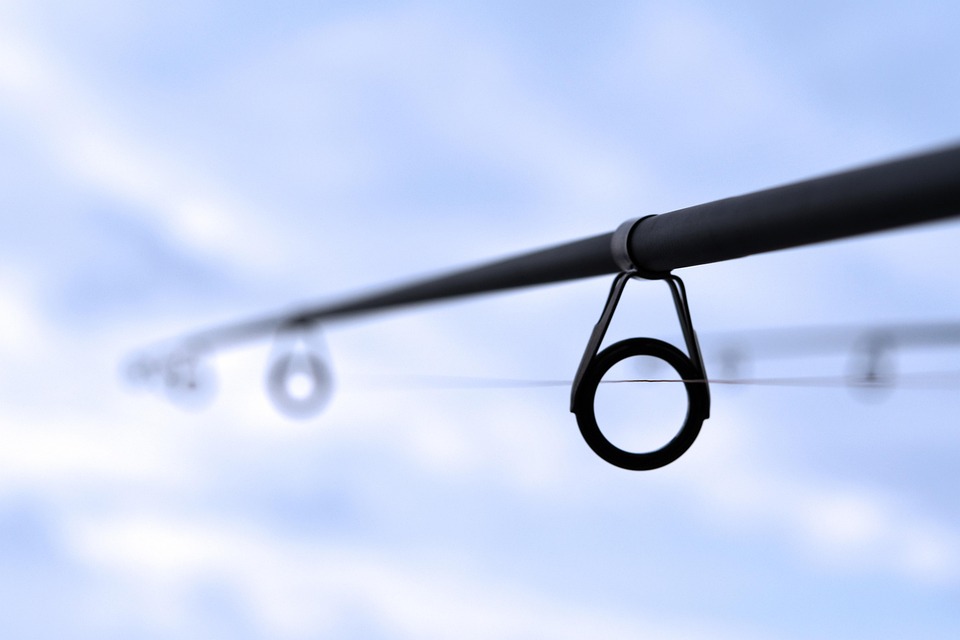
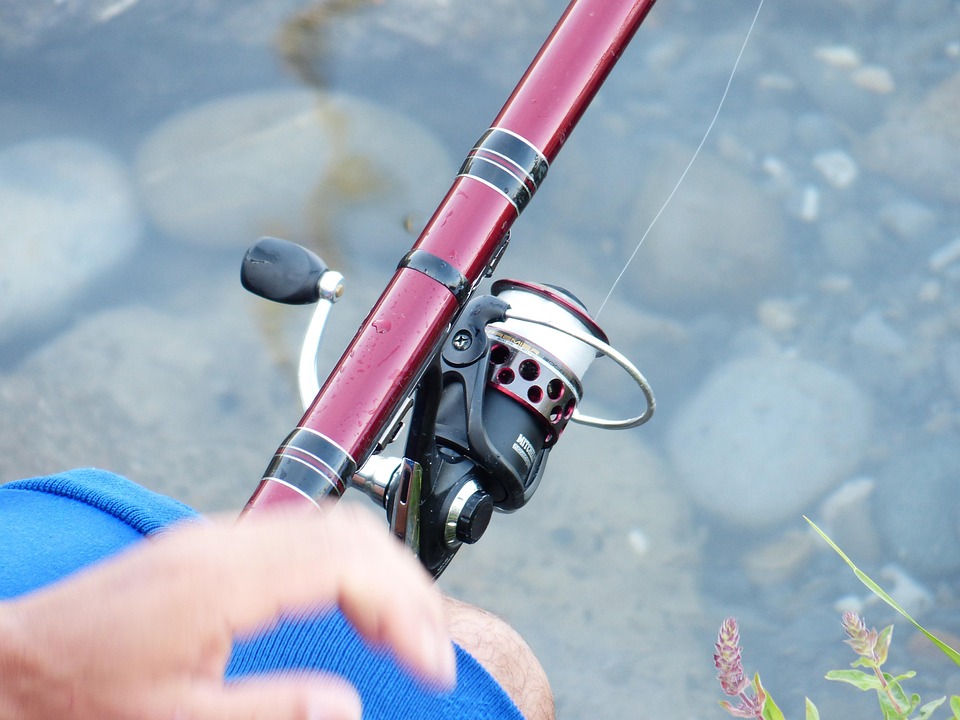
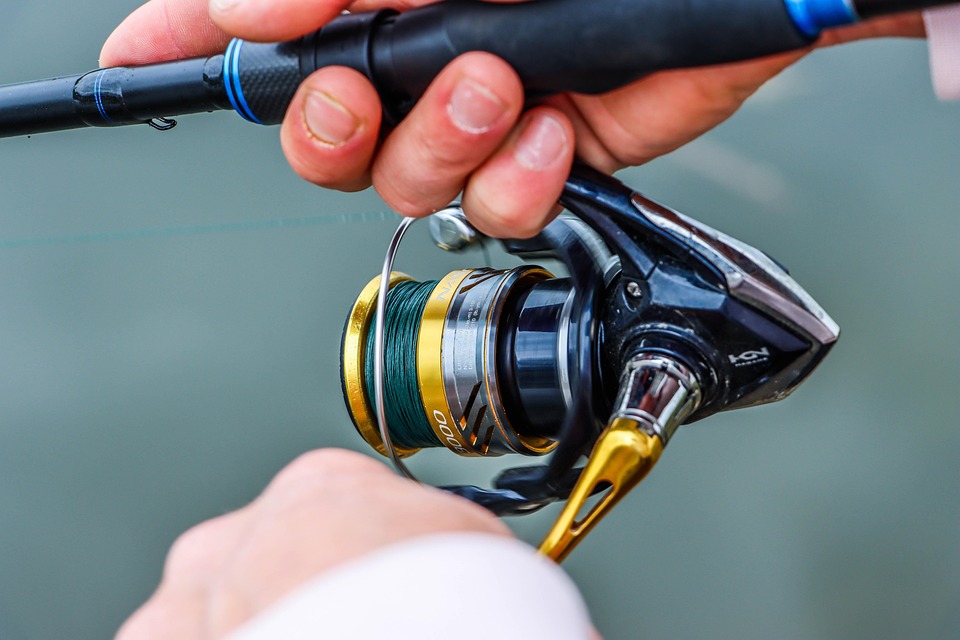
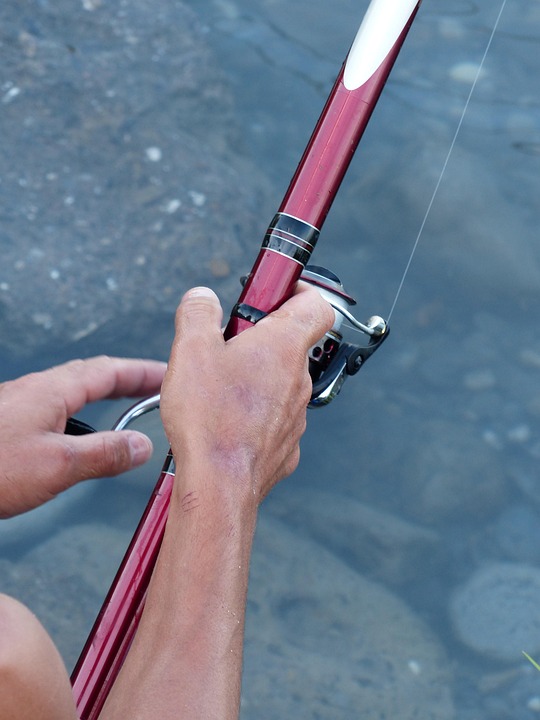
- **Rod and Reel:** A medium-light to medium rod with a sensitive tip is ideal, paired with a reel that can handle light lines (6-10 lb).
- **Line:** Braided line is often recommended for its sensitivity and low stretch, while a fluorocarbon leader helps reduce visibility.
- **Tackle Box Essentials:** Make sure to include a variety of lures, jigs, and soft plastics that mimic the local baitfish.
2. Best Lures for Zander
When it comes to lures, zander are quite versatile. Some of the most effective options include:
- **Soft Plastics:** Paddle tails and shads work well, especially when rigged on a jig head or drop shot.
- **Hard Baits:** Crankbaits that dive to depths where zander hang can be very effective.
- **Spinnerbaits:** Great for covering larger areas and enticing strikes from both active and more passive zander.
3. Techniques for Fishing
Different techniques can be employed based on the season and water conditions:
- **Jigging:** A popular technique that often produces excellent results. Vertically jigging near structures can be particularly effective when zander are deeper.
- **Trolling:** Ideal for covering large areas, particularly in the summer months when zander are more dispersed. Use a combination of lures to attract attention.
- **Casting:** Focus on casting near structures, drop-offs, and along river bends. A slow retrieve can entice zander to strike.
4. Finding the Right Location
Identifying the right spots is essential. Look for the following features:
- **Structures:** Fallen trees, rocks, and underwater vegetation all serve as excellent ambush points for zander.
- **Depth Changes:** Drop-offs and underwater humps can be prime feeding grounds.
- **Current:** In rivers, areas with current eddies often attract baitfish and, consequently, zander.
Conclusion
Understanding the biology, behavior, and optimal conditions for zander fishing is fundamental to improving your overall success. By knowing the best seasons and employing effective techniques, you can maximize your time on the water and increase your chances of landing this prized fish. Whether you’re fishing in the heart of spring or braving the chill of winter, preparation and knowledge will serve as your greatest allies.
FAQs
1. What are the best times to fish for zander?
The best times to fish for zander are typically during spring during the pre-spawn and spawn periods, as well as in autumn when they are aggressively feeding. Early mornings and late evenings during summer are also effective.
<h3>2. What kind of bait is most effective for zander?</h3>

<p>Soft plastics, hard baits, and spinnerbaits are all effective. Dead bait, like roach or perch, can also be used, particularly in cold weather or during ice fishing.</p>
<h3>3. How deep should I fish for zander?</h3>

<p>This varies by season, but during the summer, zander can often be found at depths of 8-15 feet while in winter, you may need to fish deeper (15-25 feet).</p>
<h3>4. Are zander good eating fish?</h3>

<p>Yes! Zander are known for their mild, flaky flesh and are considered a delicacy in many parts of Europe.</p>
<h3>5. Do I need a license to fish for zander?</h3>

<p>Yes, fishing licenses are generally required, and regulations on zander fishing can vary by country and region, so it’s important to check local fishing laws.</p>
- bait fishing seasons
- bass fishing seasons
- best fishing times
- bluegill fishing seasons
- carp fishing seasons
- catfish fishing seasons
- crappie fishing seasons
- fishing seasons
- fly fishing seasons
- inshore fishing seasons
- jigging seasons
- marlin fishing seasons
- muskie fishing seasons
- offshore fishing seasons
- panfish fishing seasons
- pike fishing seasons
- popping seasons
- sailfish fishing seasons
- salmon fishing seasons
- seasonal fishing for beginners
- seasonal fishing guides
- seasonal fishing guides worldwide
- seasonal fishing strategies
- seasonal fishing tips
- shark fishing seasons
- spinning fishing seasons
- trolling seasons
- trout fishing seasons
- tuna fishing seasons
- walleye fishing seasons
- zander fishing seasons








Leave a comment