






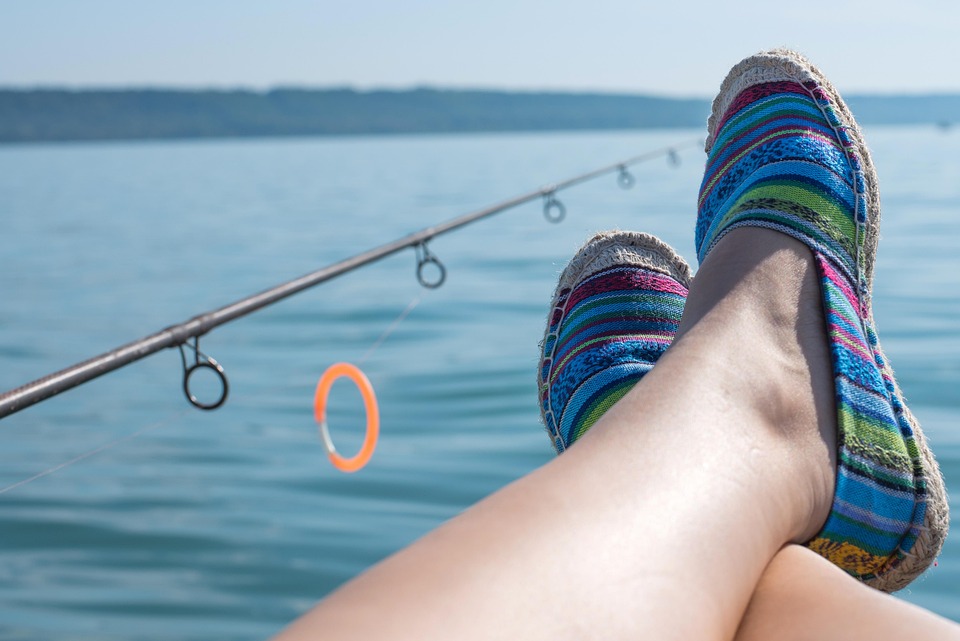

For many anglers, crappie fishing is like a rite of passage, a transformation from novice to seasoned fisherman. Known for their delicious taste and spirited fight, crappies (Pomoxis nigromaculatus and Pomoxis annularis) are often considered the “slab masters” of freshwater fishing. With this ultimate guide, you will discover everything from their biological features to effective fishing techniques, locations, and some pro tips to make your crappie fishing adventures fruitful.
The Crappie: An Overview
Crappies are members of the sunfish family and are primarily found in North America. There are two species: the black crappie and the white crappie. Both species can grow up to 18 inches and weigh up to 5 pounds, although anglers generally consider crappies 10-12 inches long to be plate-worthy.
Biology and Behavior
Crappies are schooling fish, which means they often swim in groups, especially during spawning seasons. They prefer shallow waters with structures such as weeds, fallen trees, and rocks, providing them cover and breeding grounds. Understanding their spawning and feeding patterns is crucial for successful fishing:
- Spawning: Typically occurs between mid-March and May when water temperatures rise to around 60-70°F. Male crappies will create nests in shallow water to attract females.
- Feeding: Crappies are primarily ambush feeders, catching prey that includes minnows, insects, and zooplankton. They often feed actively during dawn and dusk.
Best Locations for Crappie Fishing
Finding the right spot can significantly enhance your fishing experience. Here are some of the best locations to target crappies:
- Reservoirs: Many reservoirs provide stable conditions and ample structure for crappies.
- Lakes: Natural lakes often have weed beds and submerged structures that serve as excellent habitats.
- Rivers: Areas where rivers slow down and widen can create ideal crappie environments.
Local Hotspots
Every state has its crappie fishing hotspots. Research local regulations and fishing reports to help you pinpoint the best lakes and rivers. Popular states for crappie fishing include:
- Mississippi
- Texas
- Florida
- Wisconsin
Essential Gear and Equipment
Using the right gear is crucial for a successful crappie fishing experience. Here’s a rundown of the essential equipment you’ll need:
Rods and Reels
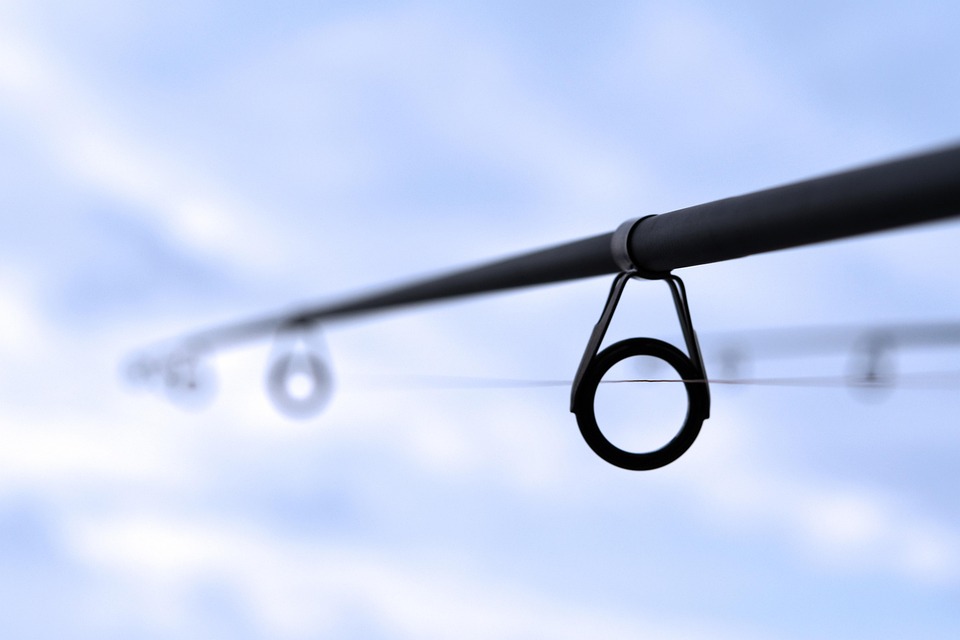
A light-action rod that is 7 to 10 feet long is ideal for crappie fishing. Pair your rod with a spinning reel that has a smooth drag system.
Lines
Using a 6-10 pound test monofilament or fluorocarbon line will provide the sensitivity needed to detect bites while maintaining strength.
Baits and Lures
Both live bait and artificial lures can be effective in attracting crappies. Some popular choices include:
- Live minnows
- Jigs (1/16 to 1/8 ounce)
- Soft plastics (twister tails and grubs)
- Crankbaits (small-bodied)
Techniques for Catching Crappies
Crappie fishing can often seem daunting, but mastering a few techniques can exponentially improve your success:
Vertical Jigging
This technique involves dropping your jig straight down into an area where crappies are known to congregate, like under docks or submerged structures.
Spider Rigging
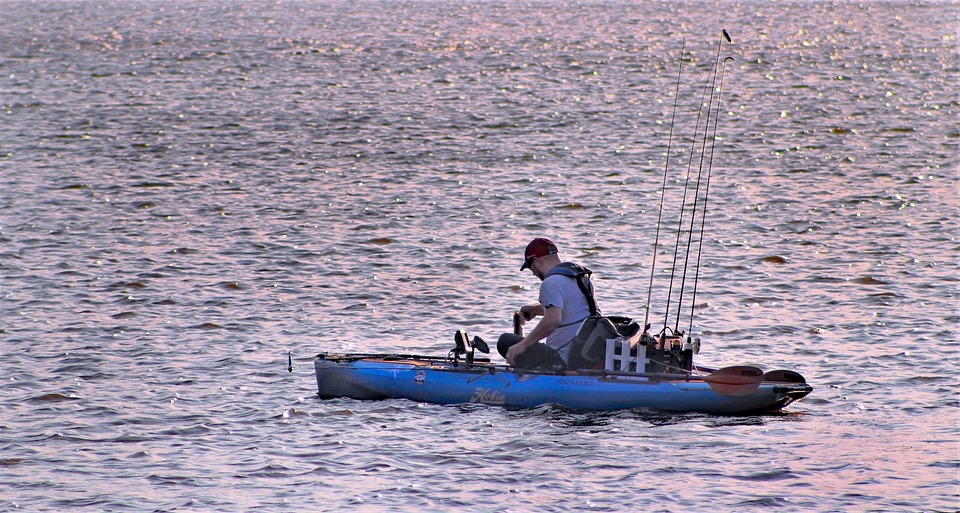
Spider rigging involves setting multiple lines out behind a moving boat, allowing anglers to cover more water and increase catch rates.
Crappie Trolling
By slowly moving a boat while dragging jigs or minnows, you can entice crappies that are suspended in the water column.
Using Electronics
Fish finders and depth sounders can be advantageous in locating crappies, helping you understand bottom structure and the presence of schools of fish.
The Crappie Fishing Community
Joining a community of crappie fishermen can enhance your experience. Local fishing clubs, online forums, and social media groups provide valuable tips and camaraderie. Participating in fishing tournaments can also be a fun way to meet fellow anglers while honing your skills.
Conservation Practices
Practicing conservation while fishing is essential to ensure that future generations enjoy crappie fishing. Be mindful of:
- Adhering to local catch limits
- Using barbless hooks for easier catch-and-release
- Minimizing catch stress by handling fish as little as possible
Conclusion
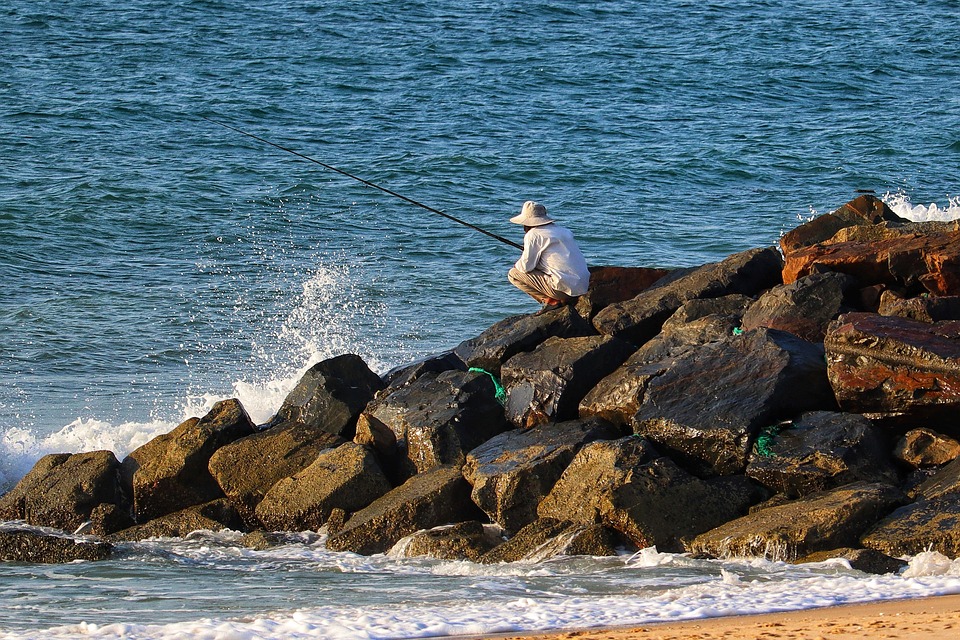
Caught from piers, boats, or the shore, crappie fishing offers an enjoyable and accessible experience for both novice and experienced anglers alike. By understanding these beautiful fish—from their biology and habitats to effective fishing techniques—you can successfully navigate the world of crappie fishing.
So grab your gear, spread the word, and embark on your Crappie Chronicles. The next slab master awaits!
FAQs
1. What is the best time of year to catch crappies?
The best time for crappie fishing is during the spring spawning season, typically from mid-March to May, depending on your location.
2. Can I catch crappies from the shore?
Yes, crappies can be caught from the shore, especially in areas near structures like fallen trees or brush piles.
3. What is the legal size limit for crappies?
Size limits vary by location. It’s crucial to check local regulations to ensure compliance.
4. What is the best bait for crappies?
Live minnows are often considered the best bait, although jigs and soft plastics can also be very effective.
5. How deep do crappies usually swim?
Crappies can be found at various depths depending on the season, but they typically prefer shallow waters of 2 to 15 feet, especially during spawning.
- bass fishing
- Bluegill Fishing
- carp fishing
- catfish fishing
- Crappie Fishing
- freshwater angling
- freshwater bait fishing
- freshwater fishing
- freshwater fishing gear
- freshwater fishing guides
- freshwater fishing species
- freshwater fishing techniques
- freshwater fishing tips
- freshwater fly fishing
- freshwater spinning fishing
- inland fishing
- lake fishing
- lakes fishing
- largemouth bass fishing
- muskie fishing
- panfish fishing
- Perch Fishing
- pike fishing
- pond fishing
- reservoir fishing
- reservoirs fishing
- river fishing
- rivers fishing
- Salmon Fishing
- smallmouth bass fishing
- stream fishing
- Tilapia Fishing
- Trout Fishing
- Walleye Fishing







Leave a comment