



















Catfish fishing is an engaging and rewarding outdoor activity that appeals to anglers of all experience levels. With their unique behaviors and habitats, catfish present various challenges and opportunities. Whether you’re a seasoned angler or a beginner looking to hook your first catfish, understanding effective techniques can significantly enhance your fishing success.
Understanding Catfish Species
Before diving into techniques, it’s crucial to understand the different species of catfish. The main types you might encounter include:
- Channel Catfish: Known for their whisker-like barbels and deeply forked tails; they are prevalent across North America.
- Flathead Catfish: Recognizable by their flat heads and long bodies; they tend to be more aggressive compared to other species.
- Blue Catfish: The largest species, known for their bluish skin; they thrive in rivers and lakes.
Each species has distinct habitats and feeding behaviors, making it essential to tailor your fishing techniques accordingly.
Essential Gear for Catfish Fishing
The right gear can make all the difference in your catfishing experience. Here’s a rundown of the essentials:
- Rod and Reel: A medium to heavy-action rod paired with a sturdy reel is ideal for handling the robust nature of catfish.
- Line: Use a strong braided line (20-50 lb test) that offers flexibility and durability; an important element given the fighting strength of catfish.
- Hooks: Circle hooks or J-hooks in sizes 2/0 to 8/0 can be effective, depending on the bait size.
- Weights: Use slip sinker rigs or weights to keep your bait on the bottom where catfish are generally found.
Prime Locations for Catfishing
Knowing where to fish is just as important as how to fish. Catfish tend to frequent specific environments:
- Deep Holes: Look for deep holes in rivers or lakes where catfish often gather.
- Structure: Submerged logs, rocks, or other structures provide shelter and ambush points for catfish.
- The Evening and Night Hours: Catfish are primarily nocturnal, making evenings the best time for fishing.
Bait Selection for Catfish
Bait selection can significantly influence your success. Here are some effective options:
- Live Bait: Using live perch, shad, or even worms can yield excellent results.
- Cut Bait: Cutting bait from fresh fish creates a strong scent trail that attracts catfish.
- Prepared Baits: Many anglers swear by prepared baits, like dough balls or store-bought catfish bait, which can be very effective.
Techniques That Work
1. Bottom Fishing
This classic method involves using weights to keep bait on the bottom. It’s especially effective for catching catfish, as they are bottom feeders. To practice this technique:
- Cast your line to the target area.
- Ensure the bait lands on the bottom, where catfish roam.
- Keep the line tensioned while waiting for a bite; feel for small, steady pulls.
2. Drift Fishing
Drift fishing takes advantage of natural current in rivers:
- Anchor your boat upstream and let your bait drift naturally downstream.
- This technique covers a broader area and can be very successful for locating catfish.
3. Jug Fishing
Jug fishing is best in areas with abundant catfish. It involves:
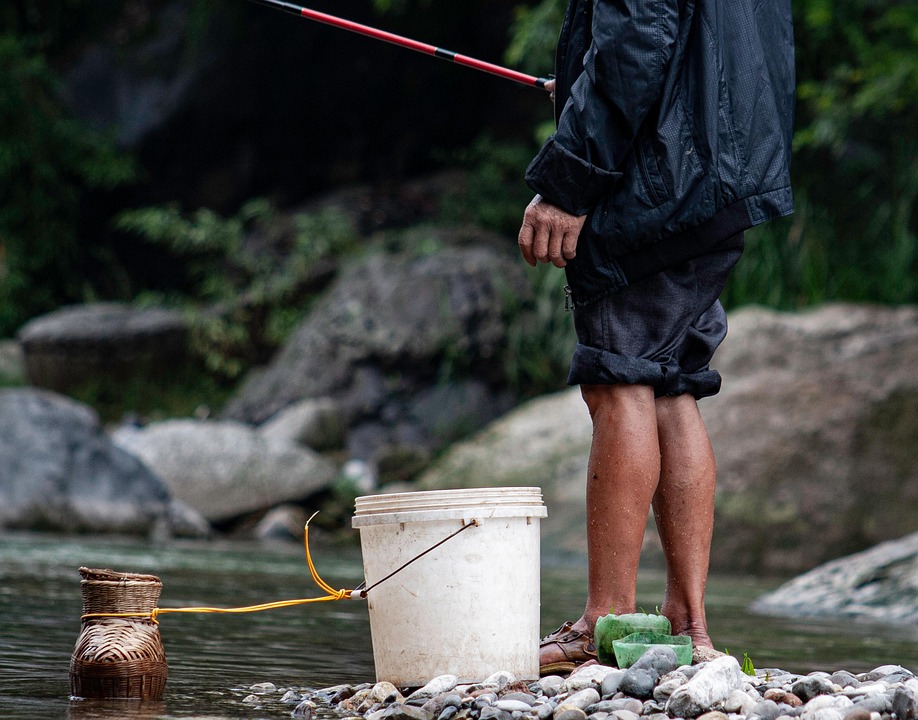
- Using floating devices (jugs) attached to baited hooks.
- As catfish take the bait, the jug will move, signaling you to check your lines.
4. Stink Bait Fishing
Many anglers have success using stink baits, which are especially suited for attracting catfish:
- Stink baits are made from various smelly materials, often featuring cheese, blood, or fish oil.
- Apply them onto your hook and use them as bait; the scent will lure catfish from a distance.
Seasonal Tips for Catfish Fishing
Understanding seasonal variations can help perfect your catfishing strategy.
Spring
During spring, catfish are actively feeding after spawning. Focus on shallow waters near vegetation.
Summer
In hot weather, catfish seek cooler waters. Fish during the cooler parts of the day or at night.
Fall
As temperatures drop, catfish will move to their winter habitats. Target deeper waters during this time.
Winter
Though challenging, catfishing in winter is not impossible. Fish near warm water discharges and be prepared to drill through the ice.
Safety and Conservation Practices
As with any outdoor activity, safety and conservation should be priorities:
- Wear a Life Jacket: Always wear a life jacket when fishing from a boat.
- Follow Local Regulations: Abide by local fishing regulations regarding size and bag limits to help preserve catfish populations.
- Practice Catch and Release: Release larger breeding stock to ensure the sustainability of the fishery.
Conclusion
Mastering the art of catfish fishing involves understanding the species, selecting the right gear, knowing effective techniques, and respecting aquatic ecosystems. Whether you prefer the thrill of a nighttime catch in a quiet river or the challenge of catching a massive blue catfish, these techniques can set you up for a rewarding fishing experience.
Like any skill, continual practice, study, and adaptation are key to becoming an exceptional catfisher. Happy fishing!
FAQs
1. What is the best time of day to catch catfish?
The best times are early morning, late evening, and at night when catfish are most active.
2. Do catfish prefer live or cut bait?
Both can be effective, but many anglers find cut bait to draw more catfish due to its strong scent.
3. What is the ideal water temperature for catfishing?
Catfish are most active in water temperatures between 70°F and 85°F.
4. Can I catch catfish from the shore?
Yes, catfish can be caught from the shore, especially in areas with structure like fallen trees or rocks.
5. What kind of rod and reel is best for catfishing?
A medium to heavy-action rod combined with a reliable reel suited for heavier line is ideal for catfishing.
- advanced catfish fishing
- blue catfish fishing
- catfish angling
- catfish bait
- catfish fishing
- catfish fishing for beginners
- catfish fishing gear
- catfish fishing guides
- catfish fishing reels
- catfish fishing rods
- catfish fishing seasons
- catfish fishing spots
- catfish fishing tactics
- catfish fishing techniques
- catfish fishing tips
- catfish hooks
- catfish rigs
- catfish species
- channel catfish fishing
- cut bait catfish fishing
- deep water catfish fishing
- flathead catfish fishing
- lake catfish fishing
- live bait catfish fishing
- monster catfish fishing
- night catfish fishing
- river catfish fishing
- shallow water catfish fishing
- stink bait catfish fishing
- trophy catfish fishing














Leave a comment