








Freshwater fishing can be a mesmerizing experience, blending the serenity of nature with the thrill of the catch. Whether you’re an experienced angler or a novice eager to cast your first line, understanding the nuances of freshwater fishing is crucial for a successful outing. This feature article outlines essential tips and expert insights that will enhance your experience, making your fishing trip both enjoyable and fruitful.
The Importance of Research
A successful fishing trip begins well before you set foot on the water. Research is crucial for having a productive outing, and it involves several key factors:
- Location: Identify the best fishing spots in the region you plan to visit. Public lakes, rivers, and streams often have varying regulations and fish populations. Tools like state fishing maps and local fishing reports can provide crucial data.
- Target Species: Different species of fish inhabit different types of freshwater environments. Understand what types of fish you’re targeting—be it bass, trout, or catfish—and research their feeding habits.
- Seasonal Considerations: Many species are more active during particular seasons. The best time to fish is often in the early morning or late evening when fish are more likely to bite.
Essential Gear and Tackle
Choosing the right equipment can mean the difference between a successful catch and an empty cooler. Here are some must-haves for your fishing gear:
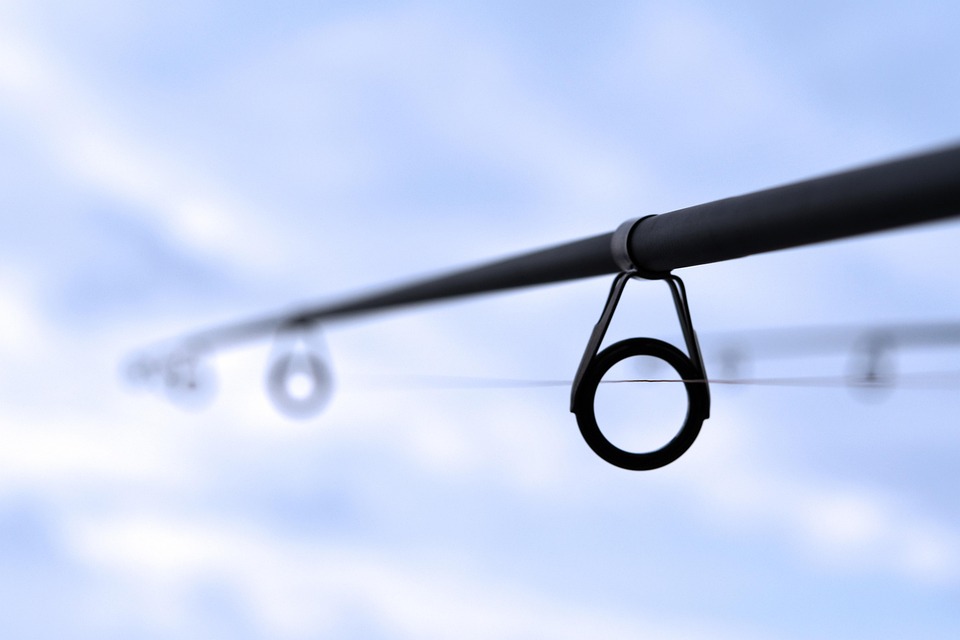
- Rod and Reel: Selecting the appropriate rod and reel combo is vital. A medium-action rod paired with a spinning reel works for most freshwater species.
- Line: The fishing line you select should match the species you’re targeting. Monofilament line is versatile, while braided lines offer strength and sensitivity.
- Bait and Lures: Live bait like worms or minnows can be a sure bet, but artificial lures such as spinners, crankbaits, and jigs also yield great results. Experimenting with different types will help you discover what works best in specific conditions.
Techniques that Work
Understanding fishing techniques is key to maximizing your catch:
- Cast and Retrieve: This is a standard method where you cast your line and allow the lure to sink for a bit before reeling it back in. Adjust your speed and depth based on water conditions.
- Drift Fishing: For rivers, letting your bait drift naturally with the current can often yield impressive results, especially for species that are lie in wait for passing food.
- Bottom Fishing: If you’re fishing in lakes or rivers with deep water, using a weighted hook to keep your bait on the bottom can effectively catch bottom-feeding species.
Know the Regulations
Before you cast your line, it’s crucial to familiarize yourself with local fishing regulations. These laws exist to protect fish populations, maintain ecosystems, and ensure that fishing continues as a sustainable hobby:
- Licensing: Obtain the appropriate fishing licenses and permits as required by local laws.
- Catch Limits: Be aware of specific catch limits for different species to promote conservation.
- Restricted Areas: Some regions might have specific areas where fishing is prohibited or restricted to protect wildlife.
Safety First
While fishing is often a relaxing activity, safety must always be a priority:
- Wear a Life Jacket: If you’re fishing from a boat, wearing a life jacket is essential for safety.
- Sun Protection: Apply sunscreen and wear protective clothing to minimize sun exposure, especially during peak hours.
- Staying Hydrated: Bring plenty of water to stay hydrated and maintain energy levels throughout your fishing trip.
Enjoying the Experience
The essence of fishing lies in the experience itself, not just the catch. Take time to appreciate your surroundings:
- Relax: Embrace the peaceful ambiance of nature, listen to the sounds around you, and enjoy the moments between catches.
- Reconnect with Friends and Family: Fishing can be a great social activity. Use this time to bond with loved ones while sharing stories about the “one that got away.”
- Document Your Trip: Capture memories through photos, whether it’s the scenic views, the fish you catch, or your companions enjoying the day.
Conclusion
A successful fishing trip is a combination of preparation, technique, and enjoying the natural surroundings. By conducting thorough research, investing in the right gear, employing effective fishing strategies, understanding local regulations, and prioritizing safety, you can significantly enhance your fishing experience. Remember, every fishing trip is an opportunity to learn and grow as an angler, so keep these tips in mind as you embark on your freshwater adventures. Happy fishing!
FAQs
1. What is the best time of year for freshwater fishing?
The best time for freshwater fishing typically varies by region and species. Generally, late spring and early summer are ideal, as fish are active and feeding in warmer waters.
2. How do I choose the right fishing spot?
Research local fishing reports, ask local anglers, and consider factors such as accessibility, the type of fish you want to catch, and seasonal conditions to find a suitable fishing spot.
3. What bait works best for bass fishing?
Live bait such as minnows, worms, and worms work well, but artificial lures like topwater plugs, spinnerbaits, and soft plastics can also be highly effective.
4. Do I need a fishing license?
Yes, most states require anglers to have a valid fishing license, which helps fund conservation efforts. Ensure you check the regulations of the region where you’ll be fishing.
5. How can I improve my fishing skills?
Practice makes perfect! Learn different fishing techniques, try various bait and tackle setups, and consider joining local fishing clubs or participating in fishing workshops for guidance.
- bass fishing
- Bluegill Fishing
- carp fishing
- catfish fishing
- Crappie Fishing
- freshwater angling
- freshwater bait fishing
- freshwater fishing
- freshwater fishing gear
- freshwater fishing guides
- freshwater fishing species
- freshwater fishing techniques
- freshwater fishing tips
- freshwater fly fishing
- freshwater spinning fishing
- inland fishing
- lake fishing
- lakes fishing
- largemouth bass fishing
- muskie fishing
- panfish fishing
- Perch Fishing
- pike fishing
- pond fishing
- reservoir fishing
- reservoirs fishing
- river fishing
- rivers fishing
- Salmon Fishing
- smallmouth bass fishing
- stream fishing
- Tilapia Fishing
- Trout Fishing
- Walleye Fishing









Leave a comment