










Fishing is one of the oldest and most rewarding pastimes. Whether you view it as a relaxing escape from daily life or an exhilarating way to bond with nature, fishing has something to offer everyone. For beginners, however, the prospect of casting lines can seem daunting. This comprehensive guide will prepare you for your first fishing trip, ensuring a smooth start to your fishing journey.
Chapter 1: Understanding Fishing Basics
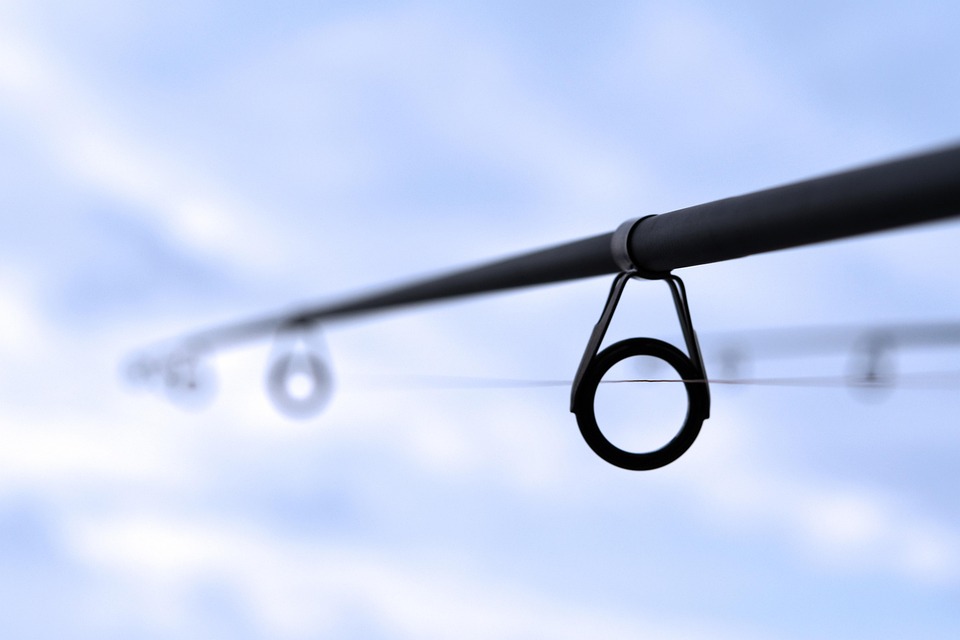
Before diving into the specifics of gear and techniques, it’s important to grasp the fundamental principles. Fishing involves three main components: the rod, the reel, and the line, all of which work together to catch fish.
The Rod
A fishing rod is a long, flexible instrument that translates your casting action into a bait presentation. Rods come in various lengths and materials, generally ranging from 5 to 12 feet. For beginners, a medium-action rod around 6 to 7 feet is ideal, offering versatility across different types of fishing.
The Reel
The reel is the mechanism that holds and dispenses the fishing line. There are several types of reels, including spinning, baitcasting, and fly reels. Spinning reels are highly recommended for beginners due to their ease of use and effectiveness in a variety of fishing scenarios.
The Line
Fishing lines come in multiple types, including monofilament, fluorocarbon, and braided. Monofilament line is often the best choice for novices, being affordable and straightforward to handle. It has a higher stretch, which helps in absorbing sudden jolts when a fish strikes.
Chapter 2: Essential Fishing Gear
The right gear can make a world of difference on your first fishing trip. Here’s a checklist of essential items you’ll need:
- Rod and Reel Combo: Look for beginner-friendly combinations.
- Fishing Line: Choose a 10-15 lb test monofilament line.
- Bait and Lures: Live bait (worms, minnows) or lures (spinners, spoons) depending on your target species.
- Hooks: Various sizes; a size 4 to 8 is typically good for beginners.
- Bobbers: Useful for indicating bites.
- Sinkers: Helps bait sink to the desired depth.
- Fishing Tackle Box: To organize all your equipment.
- Net: For landing larger fish without causing injury.
- Safety Gear: Sunscreen, sunglasses, and a first-aid kit.
Chapter 3: Learning Casting Techniques
Casting is a skill that can be mastered with practice. Here’s a step-by-step guide to help you learn how to cast effectively.
Step 1: Prepare the Rod and Reel
Ensure that your line is spooled correctly on your reel, with no tangles. Attach your chosen lure or bait at the end of the line.
Step 2: Hold the Rod
Grip the rod with your dominant hand on the handle and your other hand farther up on the rod for stability.
Step 3: The Casting Motion
Start the motion by raising the rod tip behind you until the rod forms a 90-degree angle. Then, swiftly move the rod forward, releasing the line with your index finger as your rod tip moves forward. Aim to cast slightly above the water’s surface and follow through.
Step 4: Reeling in
Once your bait lands, reel in slowly, keeping your line taut. Watch for any movement or bites, and be ready to set the hook.
Chapter 4: Understanding Fishing Regulations
It’s critical to familiarize yourself with local fishing regulations. These rules help protect aquatic ecosystems and ensure sustainable fishing practices. Regulations vary significantly depending on the location and may include limits on:
- Fishing seasons
- Size limits for certain species
- Bag limits (number of fish you can keep)
- Permits or licenses needed
Always check with your local fishery management agency before your trip to avoid penalties and ensure responsible fishing practices.
Chapter 5: Choosing Your Fishing Location
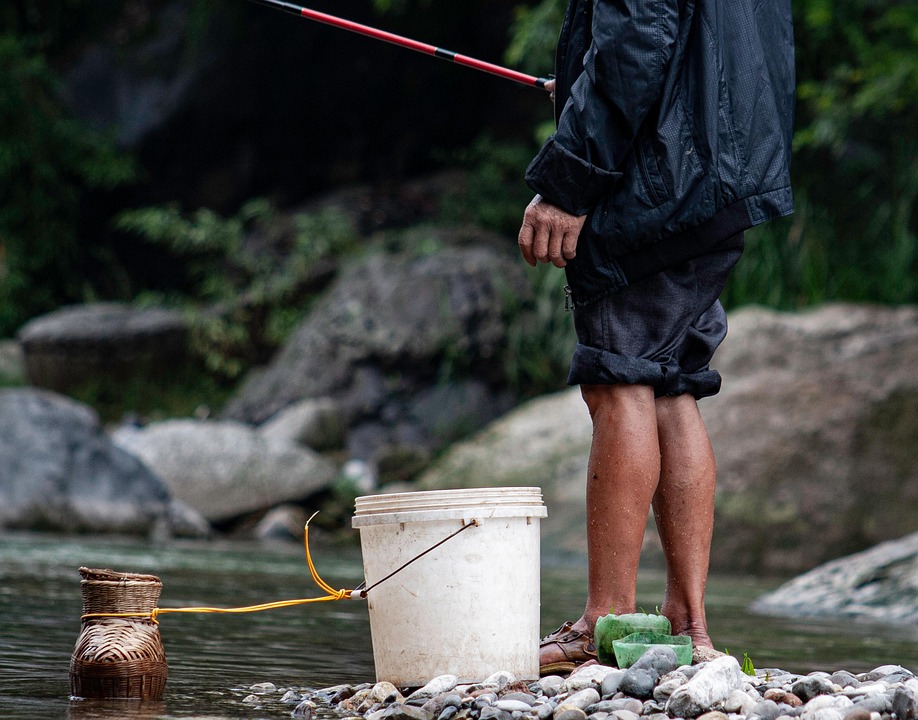
Selecting the right fishing spot can make all the difference. Freshwater locations like lakes, rivers, and ponds often teem with various species, while saltwater fishing can provide thrilling experiences off coastlines or piers.
Consider your local options and research which species are prevalent in the waters you plan to visit. Popular beginner-friendly areas often include community lakes and parks where fishing is permitted.
Chapter 6: Patience and Mindset
One of the most important aspects of fishing, especially for beginners, is patience. It’s not uncommon to spend extended periods without a bite. Embrace this time as an opportunity to enjoy nature, reflect, and connect with your surroundings.
Additionally, maintain a positive mindset. Fishing can be unpredictable, so celebrating small victories, like landing your first fish or mastering your cast, can help enhance your enjoyment of the sport.
Conclusion
Your first fishing trip is an exciting milestone, opening the door to a fulfilling recreational activity that can last a lifetime. By preparing yourself with the right gear, mastering basic techniques, and understanding local regulations, you will set yourself up for success. Remember, fishing is more than just catching fish; it’s about connecting with nature, enjoying the serenity of the outdoors, and creating lasting memories with friends and family. So grab your gear, find a local lake or river, and embark on your journey into the world of fishing!
Frequently Asked Questions (FAQs)
1. Do I need a fishing license?
Yes, most places require a fishing license. Be sure to check your local regulations before you fish.
2. What’s the best bait for beginners?
Live bait such as worms or minnows is often the most effective for beginners. However, small lures like spinners can also work well.
3. How do I know what type of fish I am targeting?
Research local species by consulting fishing reports online or visiting local tackle shops. Staff can often provide valuable insights.
4. Can I fish from a boat?
Absolutely! Fishing from a boat can offer a different experience, but make sure you’re following safety regulations and have the necessary skills.
5. How do I know if I caught a fish?
You will feel a tug or resistance on your line. Watch for movement of your line or bobbing of your bobber.
- beginner bass fishing
- beginner carp fishing
- beginner catfish fishing
- beginner fishing advice
- beginner fishing baits
- beginner fishing gear
- beginner fishing guides
- beginner fishing guides online
- beginner fishing knots
- beginner fishing lures
- beginner fishing mistakes
- beginner fishing reels
- beginner fishing rods
- beginner fishing strategies
- beginner fishing techniques
- beginner fishing tips
- beginner fishing trips
- beginner fishing tutorials
- beginner fishing videos
- beginner fly fishing
- beginner freshwater fishing
- beginner muskie fishing
- beginner panfish fishing
- beginner pike fishing
- beginner saltwater fishing
- beginner trout fishing
- fishing basics
- fishing for beginners
- how to fish
- new anglers tips




Leave a comment