














Vertical jigging is an increasingly popular fishing technique that targets numerous species through effective lure presentation. This method is indispensable for anglers seeking to catch trophy fish, elevating the entire fishing experience by adding an element of excitement and challenge. In this extensive guide, we’ll delve into vertical jigging techniques that can significantly enhance your fishing game.
What is Vertical Jigging?
Vertical jigging involves dropping a weighted lure vertically into the water and then retrieving it with precise, rapid lifts and drops. This method is particularly effective in deeper waters where fish often reside.
The lure used in vertical jigging mimics the action of prey struggling to escape, often enticing hungry fish. Whether targeting species like cod, grouper, or tuna, mastering this technique can dramatically increase your chances of landing a trophy-sized fish.
Essential Gear for Vertical Jigging
1. Fishing Rod
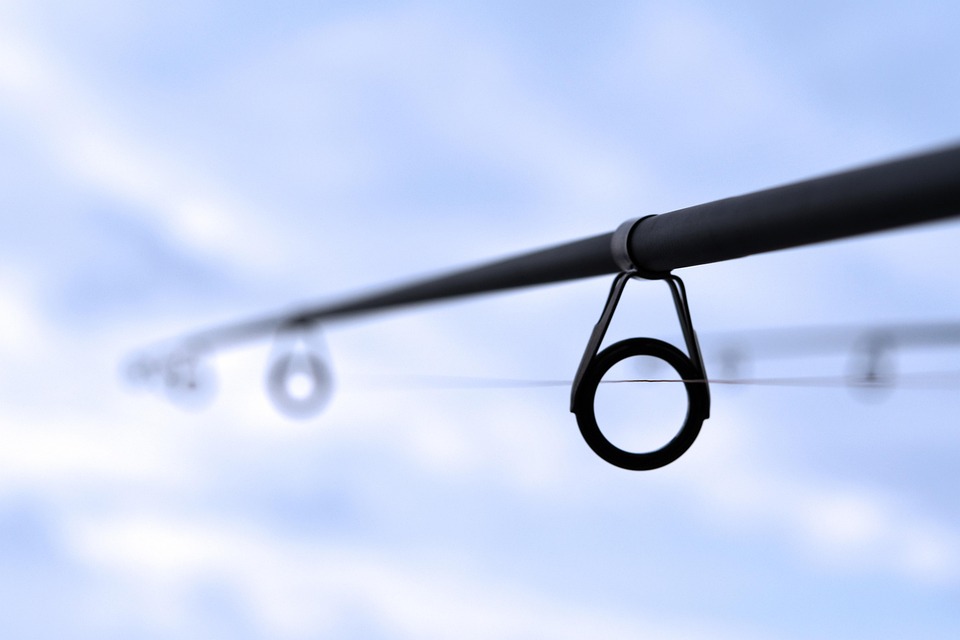
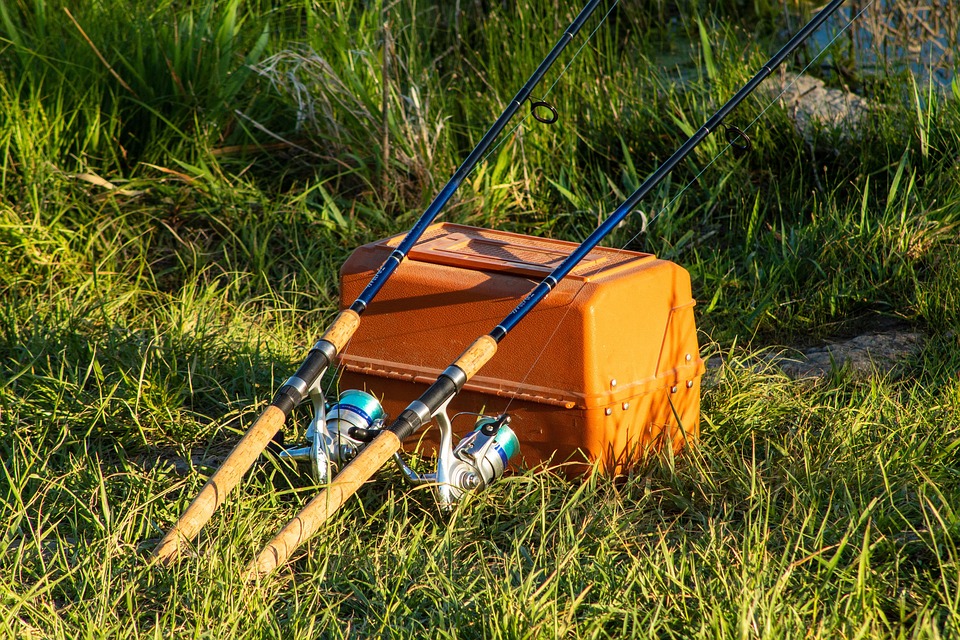
Choosing the right fishing rod is crucial for optimal performance in vertical jigging. A medium to heavy action rod, typically around 6 to 7 feet in length, offers the sensitivity needed to detect bites while ensuring adequate power to fight large fish.
2. Reel
A high-quality spinning or conventional reel with a strong drag system is necessary. The reel should ideally have a high gear ratio, allowing for quick line retrieval. A size ranging from 3000 to 6000 is generally recommended.
3. Line and Leader
Using braided line, usually between 30 to 80 lb test, significantly improves sensitivity and reduces line stretch. It’s also advisable to attach a fluorocarbon leader (60 to 100 lb test) to aid in avoiding break-offs during intense battles.
4. Jigs
Selecting the appropriate jig is perhaps the most vital step. Jigs come in various sizes, shapes, and colors, each designed to target different species and depths. Here are some popular options:
- Butterfly Jigs: These mimic a dying fish and are effective for large predators.
- Metal Jigs: Highly versatile, they work well in both deep and shallow waters.
- Flash Jigs: Ideal for attracting fish in murky waters due to their reflective surfaces.
Vertical Jigging Techniques
1. Finding the Right Spot
Before dropping your line, it’s essential to locate areas where fish congregate. Look for structures such as underwater reefs, shipwrecks, or drop-offs. Using a fish finder can significantly increase your chances of locating a school of fish.
2. The Drop
Once you’ve identified a suitable spot, drop your jig straight down to the bottom. Allow it to settle for a few seconds to mimic a baitfish on the bottom.
3. The Jigging Motion
The crux of vertical jigging lies in the jigging motion. It generally involves:
- Lift: Use a quick upward motion of your rod tip to raise the jig a few feet off the bottom.
- Pause: Let the jig fall back down while maintaining contact with your line. This pause can trigger a reflex strike from predatory fish.
- Repeat: Vary the speed and cadence of your lifts and pauses to mimic the erratic movement of injured fish.
4. Adjustments Based on Conditions
Weather conditions, water clarity, and the depth at which fish are holding can affect your jigging strategy. Be flexible and ready to alter your technique. Experiment with different jigging heights, lift speeds, and pausing durations until you find what triggers a bite.
When to Use Vertical Jigging
The best time for vertical jigging is typically during the cooler months when fish are more actively feeding or during specific tidal cycles. It’s particularly effective during:
- Low Light Conditions: Early mornings and late afternoons are ideal.
- Post-Front Conditions: After a cold front, when fish might be less active but still hungry.
- During Pelagic Movements: When fish are in pursuit of bait schools during migrations.
Challenges of Vertical Jigging
While exhilarating, vertical jigging requires practice and skill. Fishermen often experience challenges such as:
- Overcoming Snags: The jigging technique can lead to snags in rocky areas. Learning how to maneuver your line can help mitigate this.
- Line Management: An effective vertical jigging experience hinges on handling your line properly to avoid tangles.
- Understanding Species Behavior: Different species react differently to jigs, necessitating a good understanding of the target fish’s habits.
Conservation and Ethical Fishing Practices
As with all fishing techniques, practicing ethical fishing is crucial to preserve aquatic ecosystems. Follow local guidelines regarding seasonal limits and size restrictions. Always consider practicing catch and release with trophy fish to contribute to sustaining natural populations.
Conclusion
Mastering vertical jigging can be immensely rewarding, both in terms of skill development and trophy catches. With the right gear, technique, and awareness of surrounding conditions, any angler can significantly improve their chances of landing a big one. Get out on the water, apply these techniques, and enjoy the thrill of reeling in trophy fish that vertical jigging can provide!
FAQs
1. What species can be targeted using vertical jigging?
Vertical jigging is versatile and can effectively target species such as tuna, marlin, cod, grouper, and various species of snapper.
2. Do I need a specific boat type for vertical jigging?
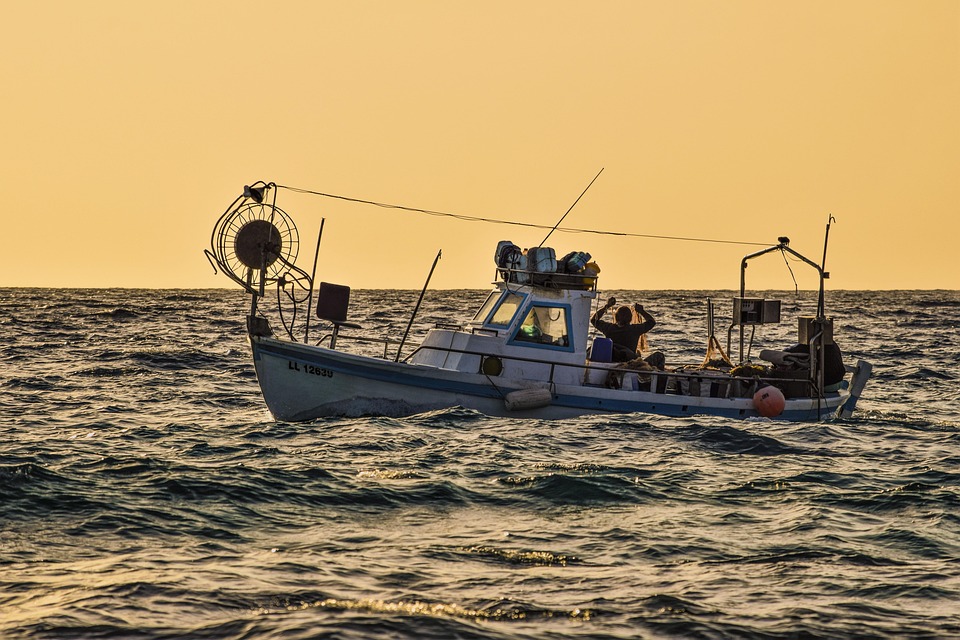
A dedicated fishing boat is ideal, but any boat that allows you to fish in deeper waters can work. Ensure it is stable enough to handle potential rough conditions.
3. Can I use vertical jigging from shore?
While vertical jigging is most effective from a boat, you can use it from high shore points if the depth allows and the current supports it.
4. What is the best time of year for vertical jigging?
The fall and winter months are typically the best times for vertical jigging, as fish are actively feeding and available in deeper waters.
5. How do I maintain my jigging equipment?
Regular cleaning after each outing, checking for wear and tear on lines and tackle, and storing equipment properly will prolong its life and performance.
- advanced fishing techniques
- artificial bait fishing
- bait fishing
- boat fishing methods
- casting fishing
- deep sea fishing techniques
- drift fishing
- fishing knots techniques
- fishing methods
- fishing methods for beginners
- fishing rigs methods
- fishing strategy tips
- fishing techniques
- fly fishing techniques
- freshwater fishing techniques
- inshore trolling
- jigging fishing
- live bait fishing
- lure fishing methods
- modern fishing techniques
- offshore trolling
- popping fishing
- professional fishing methods
- saltwater fishing techniques
- shore fishing methods
- slow jigging
- spinning fishing
- topwater popping
- trolling fishing
- vertical jigging















Leave a comment