


















Fishing enthusiasts know that zander, also known as the European pikeperch, is one of the most sought-after freshwater fish in Europe. Their voracious appetite and elusive nature make them both challenging and rewarding to catch. In this article, we will explore various techniques, tips, and best practices that will enhance your zander fishing skills and ensure a successful outing.
Understanding Zander: The Fish and Its Habitat
Before diving into fishing techniques, it’s essential to understand the zander itself. Zander (Sander lucioperca) is a predatory fish that inhabits lakes and rivers across Europe, preferring deeper, slower-moving waters where they can hunt for smaller fish.
- Physical Characteristics: Zander have elongated bodies, sharp teeth, and two dorsal fins. They can grow up to three feet long and weigh over 20 pounds in some regions.
- Feeding Habits: Zander are primarily nocturnal hunters, feasting on small fish like roach, perch, and rudd.
- Preferred Habitat: Look for zander in deeper waters, especially near structures like sunken trees, rock piles, and ledges during the day. At night, they often move shallow to hunt.
Essential Gear for Zander Fishing
Having the right gear is crucial for zander fishing success. Here’s what you need:
Rods and Reels
A medium to heavy action rod (7-8 feet) is ideal for zander fishing. Pair this with a quality spinning reel that can handle a line weight of 10-20 lb monofilament or braid.
Line and Leaders
Using braided line is recommended for its sensitivity and low stretch, which provides better hook sets. A fluorocarbon leader can be beneficial to reduce visibility.
Baits and Lures
When it comes to baits and lures, the choices are vast:
- Live Bait: Live roach or minnows are incredibly effective, particularly during the nocturnal feeding frenzy.
- Soft Plastics: Jerkbaits and shad imitations can entice strikes, especially when worked near the bottom.
- Jigs: A simple jig head with a soft plastic tail can be very effective, especially in colder months.
Techniques for Catching Zander
Employing the right techniques is essential for catching zander. Here are some successful methods:
Bait Fishing
When using live bait, try to fish near the bottom where zander typically lurk. Use a slip sinker rig to allow the bait to move more freely, attracting the zander’s attention. Historical hotspots, such as river bends or pools, where predators gather, can be great opportunities.
Jigging
Vertical jigging can be particularly productive. Lower your line straight down into known zander areas, and perform small, twitching motions to mimic the movements of injured baitfish.
Deadstick Method
The deadstick approach involves using a rod holder and letting the bait sit still. This technique works especially well during the colder months when zander are less active.
Time and Location: When and Where to Fish
Your chances of success increase dramatically if you fish during optimal times:
Time of Day
Zander are often most active during dawn and dusk, so plan your fishing trips accordingly. Night fishing can be particularly effective, as zander are actively hunting for prey.
Seasonal Patterns
In spring and autumn, zander tend to be more aggressive as they prepare for spawning or begin to bulk up for the winter. Targeting these seasons can yield excellent results.
Weather Conditions
Overcast days can be prime for zander fishing since the fish may be more willing to venture into shallow water. Changes in barometric pressure can also trigger feeding frenzies.
Common Mistakes to Avoid
Even seasoned anglers can fall prey to common mistakes. Here are some to watch out for:
- Incorrect Hook Size: Using hooks that are too large can deter bites. Select hooks according to the size of your bait.
- Over-Fishing a Spot: Zander can become wary of heavily-fished areas. After several casts, consider moving to a new spot if you don’t receive bites.
- Ignoring the Weather: Always check the weather before heading out. Zander can become inactive in extremely cold or windy conditions.
Safety and Ethical Fishing Practices
Lastly, consider safety and conservation. Always wear a life jacket, keep your fishing gear organized, and practice catch-and-release where appropriate to ensure the sustainability of zander populations for future generations.
Conclusion
Zander fishing combines skill, patience, and a deep understanding of the fish’s behavior. By investing time in learning the intricacies of zander, using the right gear, and employing effective techniques, you can master the art of zander fishing. Whether you are a novice or an experienced angler, these insights will enhance your fishing experience. Happy fishing!
Frequently Asked Questions (FAQs)
What is the best time of year for zander fishing?
The best times are typically spring and autumn when zander are actively feeding. Early morning and late evening, as well as night, are ideal fishing times.
Can zander fishing be done from shore?
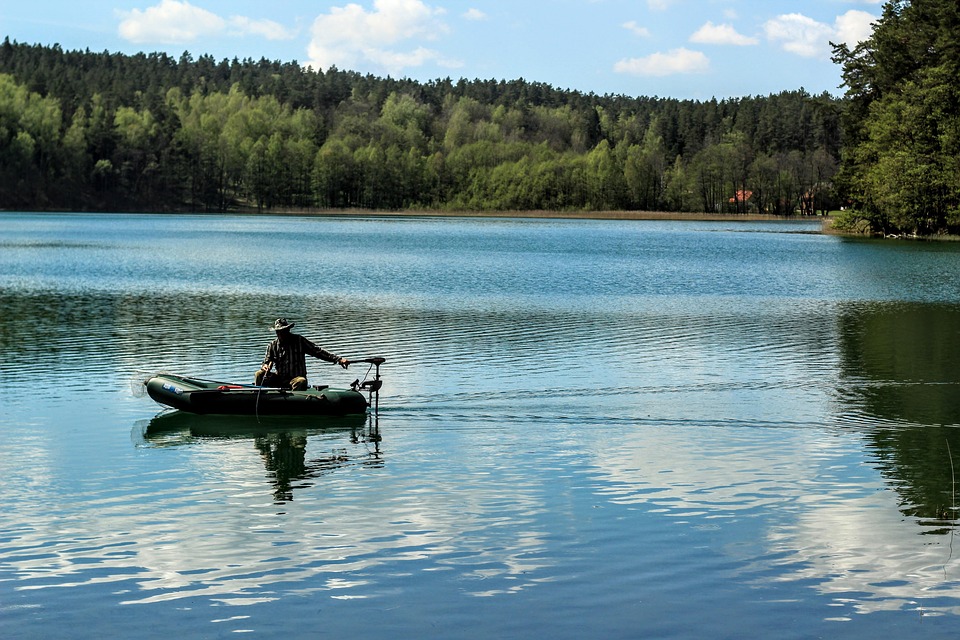
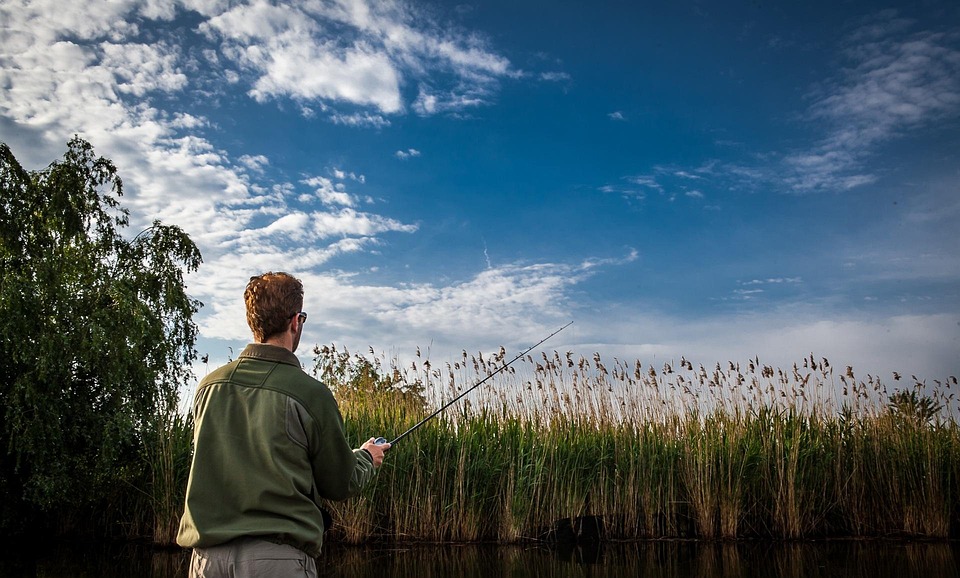
Yes, it is possible, but having access to a boat can provide greater opportunities to reach deeper waters during the day. However, many successful shore anglers have targeted zander from riverbanks and along lake edges.
What are the legal restrictions for zander fishing?
Regulations vary from region to region. Check your local fishing laws for size limits, seasons, and catch limits to ensure compliance.
Are zander good to eat?
Absolutely! Zander is known for its delicious, flaky white meat, which is popular in various cuisines. Just ensure to adhere to local fishing regulations.
What are some recommended lures for zander?
Popular lures include soft plastics, jigs, and spinners. Experimenting with colors and sizes can help identify the most effective options for your location.
- advanced predator fishing
- aggressive fish fishing
- barracuda fishing
- barracuda lure fishing
- freshwater predator fishing
- large predator fishing
- muskie fishing
- muskie lure fishing
- pike fishing
- pike lure fishing
- predator angling
- predator fishing
- predator fishing baits
- predator fishing destinations
- predator fishing for beginners
- predator fishing gear
- predator fishing guides
- predator fishing lures
- predator fishing reels
- predator fishing rigs
- predator fishing rods
- predator fishing seasons
- predator fishing spots
- predator fishing tactics
- predator fishing techniques
- predator fishing tips
- predatory fish fishing
- saltwater predator fishing
- zander fishing
- zander jigging







Leave a comment