



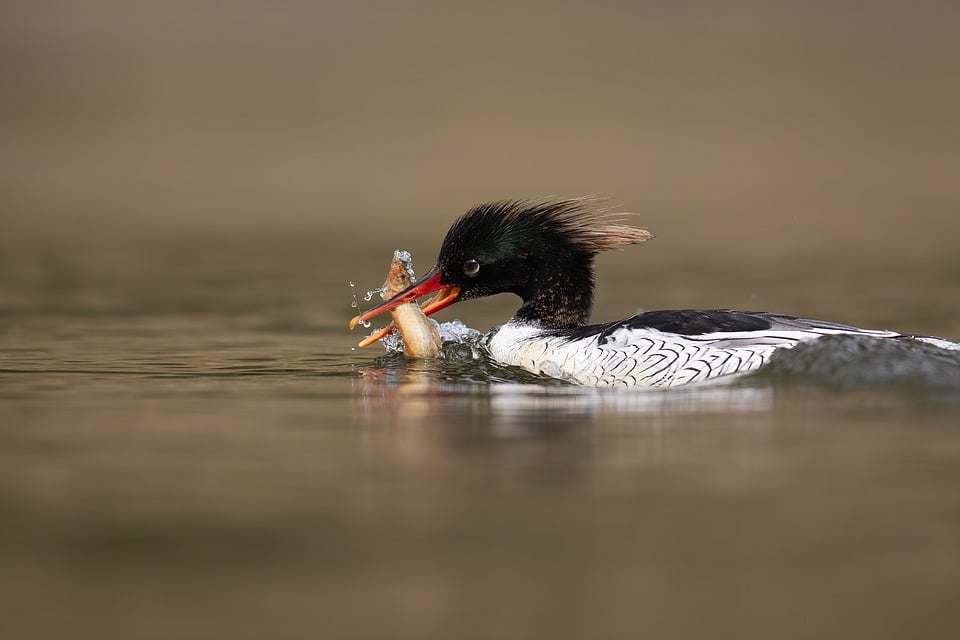


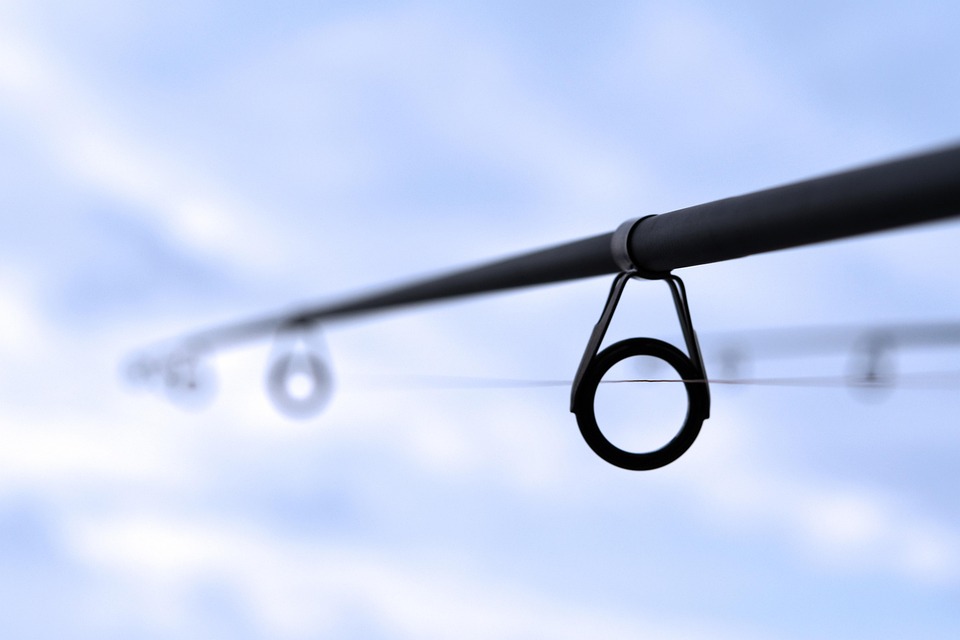








For many anglers, the thrill of predator fishing is unmatched. The sheer excitement of connecting with species like bass, pike, and muskellunge keeps enthusiasts coming back for more. However, successfully catching these apex fish requires more than just patience; it demands a keen understanding of their behavior, preferred habitats, and the techniques that effectively lure them. In this feature article, we delve into some advanced strategies for predator fishing, examining the combination of equipment, tactics, and environmental awareness that can elevate your fishing game to new heights.
Understanding Predator Behavior
Before diving into specific techniques, it is crucial to grasp predator fish behavior. These fish are opportunistic feeders, meaning they will exploit various food sources based on availability. For example:
- Seasonal Patterns: Many predator species exhibit seasonal behavior changes, such as increasing activity during certain spawning seasons or when prey is plentiful.
- Feeding Habits: Understanding what a predator is eating—whether it’s minnows, crayfish, or other species—can help tailor your bait selection.
- Water Temperature: Predator fish are more active in warmer water, generally around 60°F to 75°F, aligning with the peak activity periods of their prey.
Advanced Tactics for Predator Fishing
Now that we understand the behavior of predator fish, let’s explore some advanced tactics that can make all the difference on the water.
1. Match the Hatch
One of the most effective methods in predator fishing is to “match the hatch.” This refers to selecting lures or bait that closely resemble the natural prey available to the fish in a particular water body. For example:
- Jigs: These can be used to mimic bottom-dwelling species like crustaceans, particularly when fished slowly along the bottom.
- Topwater Lures: For species like largemouth bass, using buzz baits or poppers can imitate swimming baitfish.
- Swimbaits: These versatile baits can imitate both injured and healthy prey, making them ideal for various conditions.
2. Depth and Structure
Understanding the environment where predator fish are most likely to congregate is essential. Key features to consider include:
- Drop-offs: Predator fish often use these zones as ambush points to catch unsuspecting prey.
- Weed Beds: Vegetation offers cover for both predators and prey, making it a hotspot for fishing.
- Sunken Structures: Underwater structures like fallen trees or rocks can create natural barriers that attract predatory fish.
3. Time of Day
Different times of day can significantly influence predator activity:
- Dawn and Dusk: These are often deemed the golden hours for predator fishing. Fish are typically more active during low light, making them easier to catch.
- Midday: During bright sunlight, fish may retreat to deeper waters for cover, affecting their feeding patterns.
The Art of Casting and Retrieval
The technique of casting and retrieval is vital in successfully enticing predator fish. Here are some strategies:
1. Varying Retrieval Speed
Changing the speed of your retrieval can simulate a distressed or frightened prey. Quick bursts followed by pauses can often trigger a strike.
2. Twitching and Jerking
Applying sudden twitches or jerks to lures can also imitate the erratic movements of injured baitfish, making them irresistible to predatory species.
3. Long Casts
Making long, accurate casts allows you to cover more water and reach areas less accessible to other anglers. This can be particularly effective in heavily fished waters.
Technology and Equipment
With technology evolving, anglers have access to advanced tools that can enhance their fishing experience:
1. Fish Finders
Modern fish finders can help locate schools of fish and identify underwater structures, providing you with a significant advantage in your fishing strategy.
2. Smart Fishing Apps
Mobile applications can provide real-time data on water conditions, fish activity, and even local weather patterns, making planning your fishing trip easier.
Ecosystem Awareness
Advanced predator fishing isn’t just about the fish; it’s also about understanding the entire ecosystem. Sustainable practices and knowledge of local regulations ensure that fishing remains viable for generations to come:
- Catch and Release: Employing catch-and-release practices helps maintain fish populations, especially with predatory species.
- Environmental Impact: Being mindful of trash and pollution in water bodies is essential in keeping ecosystems balanced and healthy.
Conclusion
Predator fishing is a multifaceted sport that requires patience, research, and strategy. By understanding predator behavior, refining techniques, utilizing technology, and respecting the ecological balance, anglers can enhance their fishing experience and contribute to the sustainability of our waterways. Always remember that every fishing trip is an opportunity to learn and adapt, as the waters are ever-changing and the fish are always wise.
FAQs
What is the best time of year for predator fishing?
The best time for predator fishing varies by species, but spring and fall are generally excellent for many predatory fish due to increased activity during spawning seasons.
What lures are best for predator fishing?
Swimbaits, jigs, and topwater lures are often considered the best choices for attracting predator fish, but the best lure can depend on the specific species and conditions.
How can I increase my chances of catching predator fish?
Increase your chances by understanding the local fish behavior, matching your bait to their preferences, and paying attention to environmental factors like water temperature and structure.
Is it important to practice catch-and-release?
Yes, practicing catch-and-release helps maintain fish populations and promotes sustainability in fishing, ensuring future generations can enjoy the sport.
- advanced predator fishing
- aggressive fish fishing
- barracuda fishing
- barracuda lure fishing
- freshwater predator fishing
- large predator fishing
- muskie fishing
- muskie lure fishing
- pike fishing
- pike lure fishing
- predator angling
- predator fishing
- predator fishing baits
- predator fishing destinations
- predator fishing for beginners
- predator fishing gear
- predator fishing guides
- predator fishing lures
- predator fishing reels
- predator fishing rigs
- predator fishing rods
- predator fishing seasons
- predator fishing spots
- predator fishing tactics
- predator fishing techniques
- predator fishing tips
- predatory fish fishing
- saltwater predator fishing
- zander fishing
- zander jigging








Leave a comment