










Tuna fishing is not just a sport; it’s a passion that transcends the ordinary fishing experience. The thrill of battling with one of the ocean’s fastest and strongest fish keeps anglers coming back year after year. As the season kicks off, it’s time to gear up and hone your skills. Here are essential tips to help you maximize your chances of landing the big one this tuna season.
Understanding Tuna Species
Before you set sail, it’s essential to know the different species of tuna you can target. The most popular among anglers are:
- Bluefin Tuna: Highly sought after for their size and flavor, they can weigh over 1,000 pounds.
- Yellowfin Tuna: Known for their speed and agility, they are commonly found in warmer waters and can grow up to 400 pounds.
- Skipjack Tuna: Smaller and abundant, they are often used for bait but can provide a fun catch.
- Albacore Tuna: These are the “white meat” tunas, recognized for their mild flavor and are a popular choice for canning.
Choosing the Right Equipment
Your gear can make or break your tuna fishing experience. Here are some essentials:
Rods and Reels
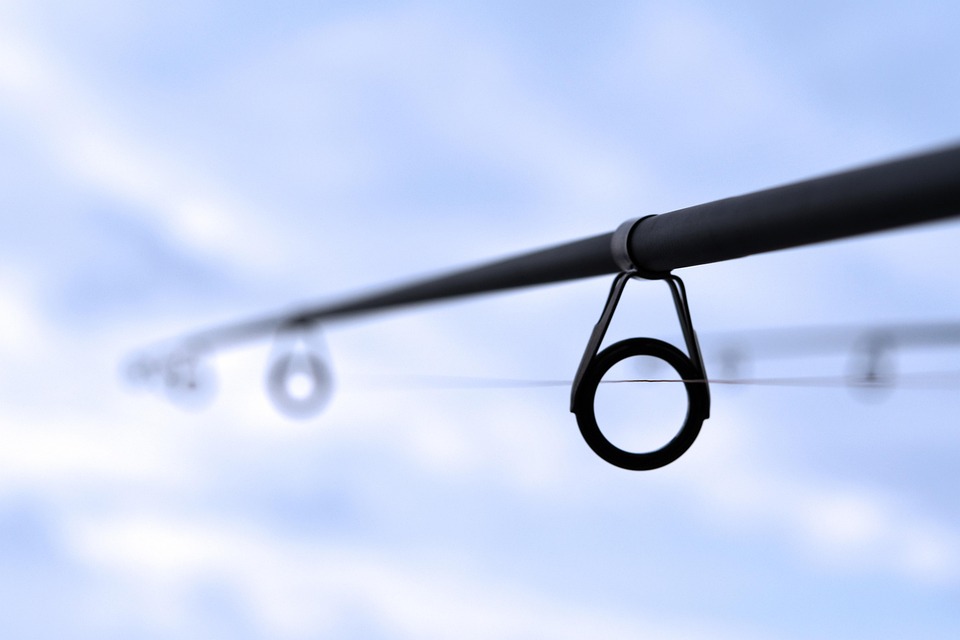
Select a heavy-duty rod paired with a high-capacity reel. Look for a rod that’s at least 6-7 feet long to provide leverage, and a reel with a drag system that can handle the force of a sizeable tuna.
Line and Lures
Opt for braided line between 50-100 pounds in test strength for maximum sensitivity and strength. Lures such as artificial poppers, trolling lures, and live bait can be effective, depending on the time of year and the specific tuna species you are targeting.
Electronics and Navigation
Investing in quality sonar and GPS equipment can significantly enhance your fishing experience. Sonar can help locate schools of tuna, while GPS can guide you to productive fishing spots.
Timing is Everything
Tuna are migratory and their feeding patterns are closely tied to water temperature and seasonal changes. Here are some key points to consider:
- Spring: As waters warm, tuna migrate towards the coasts. Late spring is peak season in many regions.
- Summer: Tuna are active and schooling. Focus on early mornings and late afternoons when they are most likely to feed.
- Fall: The migration begins again, and larger specimens often appear.
Techniques to Reel in the Big Catch
Using the right fishing techniques can significantly improve your success rate. Here are some effective methods:
Trolling
This is the most effective method for catching larger tunas. Using a boat to drag baits or lures through tunas’ feeding territories can lead to impressive catches.
Chunking
This involves cutting up baitfish and tossing them into the water to attract tuna. It’s an effective strategy, especially with Bluefin and Yellowfin, who are attracted to the scent.
Live Baiting
For a more hands-on approach, using live bait can entice larger tuna. Sardines, mackerel, or smaller tunas work well as live bait.
Safety First
Tuna fishing can be physically demanding, and safety should always be a priority:
- Wear a Life Jacket: Always use a life jacket, especially in unpredictable waters.
- Check Weather Conditions: Make sure to review forecasts and heed warnings, as ocean conditions can change rapidly.
- Have a Communications Plan: Equip your boat with a marine radio and ensure all participants know how to use it in case of emergencies.
Respecting the Environment
As stewards of the ocean, it’s crucial to adhere to conservation practices:
- Follow Regulations: Adhere to local size and bag limits to ensure sustainable populations.
- Catch and Release: For species that are overfished, practice catch and release to contribute to stock recovery efforts.
- Minimize Waste: Dispose of fishing waste properly to protect marine life.
The Social Aspect of Tuna Fishing
Tuna fishing often brings people together. Whether you’re fishing with family, friends, or fellow anglers, sharing the experience can add rich layers of enjoyment to the activity. Join local fishing clubs or participate in tournaments to meet like-minded fishing enthusiasts and maybe even learn new tips and tricks!
Conclusion
Tuna fishing is an exhilarating experience that combines skill, patience, and a bit of luck. By understanding the species, using the right gear and techniques, being safety-conscious, and showing respect for the ocean, you can enhance your chances of a successful fishing season. Early mornings, the thrill of the chase, and the satisfaction of hauling in the big catch make tuna fishing a rewarding pursuit that can create lasting memories. So, gear up, grab your fishing buddies, and hit the waves this season!
Frequently Asked Questions (FAQs)
1. What is the best time to go tuna fishing?
The best time to go tuna fishing generally varies by location and species, but many anglers find success during the warmer months, particularly from late spring to early fall when tuna are most active.
2. Do I need a fishing license to catch tuna?
Yes, a fishing license is typically required. Be sure to check your local regulations for the necessary permits.
3. What type of bait is best for tuna fishing?
Live bait such as sardines or mackerel is effective, along with artificial lures designed to mimic injured fish.
4. How can I tell if I’ve hooked a tuna?
Tuna are known for their powerful runs and acrobatic leaps when hooked. If you feel strong and sudden pulls on your line, you may have caught a tuna!
5. Are there limits on tuna catches?
Yes, most fishing regions impose regulations that limit the size and number of tuna you can catch to protect populations. Always check local regulations before your trip.
- bait fishing seasons
- bass fishing seasons
- best fishing times
- bluegill fishing seasons
- carp fishing seasons
- catfish fishing seasons
- crappie fishing seasons
- fishing seasons
- fly fishing seasons
- inshore fishing seasons
- jigging seasons
- marlin fishing seasons
- muskie fishing seasons
- offshore fishing seasons
- panfish fishing seasons
- pike fishing seasons
- popping seasons
- sailfish fishing seasons
- salmon fishing seasons
- seasonal fishing for beginners
- seasonal fishing guides
- seasonal fishing guides worldwide
- seasonal fishing strategies
- seasonal fishing tips
- shark fishing seasons
- spinning fishing seasons
- trolling seasons
- trout fishing seasons
- tuna fishing seasons
- walleye fishing seasons
- zander fishing seasons











Leave a comment