










Fly fishing is more than just a recreational activity; it is an art form that requires a unique combination of skills, equipment, and knowledge. Transitioning from a novice to a proficient angler is an exciting journey filled with challenges and rewards. This article aims to demystify effective fly fishing, providing essential insights and expert tips for aspiring anglers.
Understanding the Basics
To embark on your fly fishing journey, one must first grasp its foundational principles. Fly fishing differs fundamentally from traditional fishing methods, primarily in the use of artificial flies as bait. These flies are designed not to sink like conventional bait but to float on or near the water’s surface, mimicking the appearance of insects, small fish, or other food sources.
The Gear You’re Going to Need
Investing in the right gear is crucial for any fly fisher. While it can be tempting to go for the most expensive equipment, beginners should focus on functionality and comfort. Key components include:
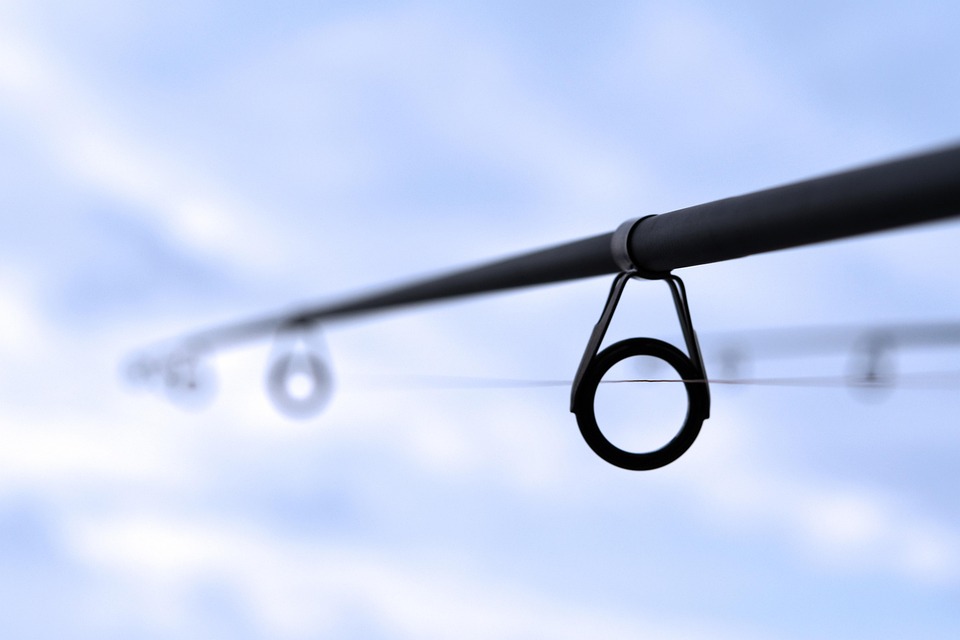
- Rod: A 9-foot, 5-weight rod is ideal for freshwater fishing.
- Reel: A quality reel with a smooth drag system and sufficient capacity for your line.
- Line: Floating line is most common for beginners.
- Flies: Start with midges, caddisflies, and mayflies.
- Waders and Boots: Depending on your fishing environment, these will keep you dry and safe.
Essential Casting Techniques
The casting technique is perhaps the most critical skill to master in fly fishing. Here are some essential tips to improve your casting:
- The Basics: Start with a simple overhead cast. Raise your rod tip to 1 o’clock, then cast it back to 10 o’clock smoothly.
- Practice Roll Casting: Effective for limited space, this technique allows you to cast without much back and forth movement.
- Double Haul Technique: This advanced method enhances line speed and distance, perfect for larger waters.
Choosing the Right Location
Location plays a pivotal role in the success of your fly fishing experience. Factors such as time of year, weather conditions, and water levels affect fish behavior. Here are some hotspots that often yield good results:
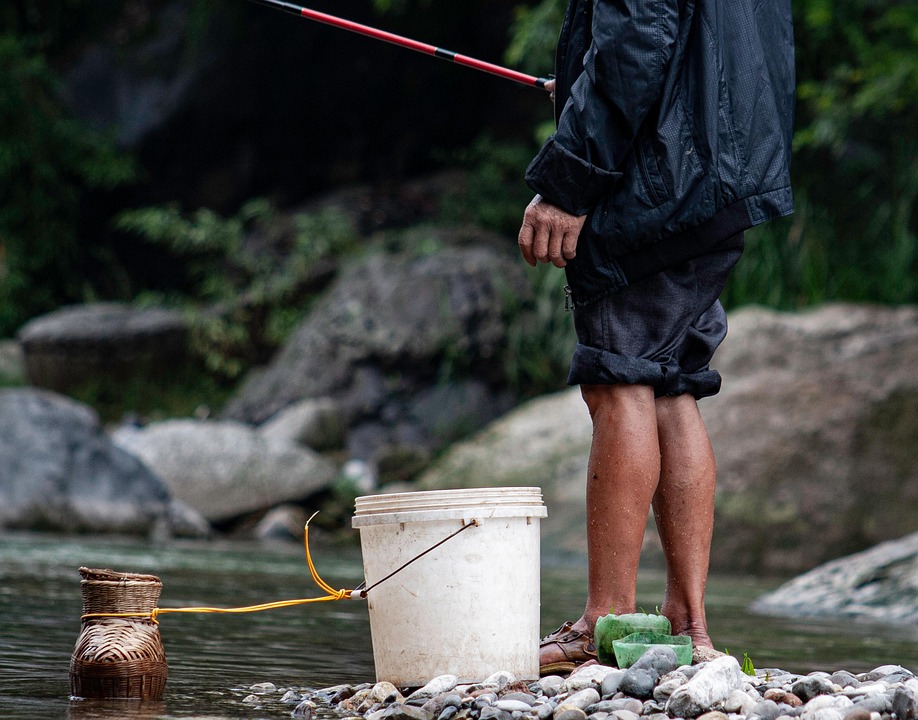
- Rivers and Streams: Flowing water features provide abundant hatching insects, making them ideal for fly fishing.
- Lakes and Ponds: Look for areas with vegetation, as these spots attract fish.
- Saltwater Locations: Explore coastal areas for species like tarpon and bonefish.
Understanding Fish Behavior
Knowing your target species is fundamental to successful fishing. Each type of fish behaves differently under varying conditions. Basic knowledge about their feeding patterns, movement, and habitat can significantly elevate your strategies:
- Trout: Often feed in the early morning and late evening; they prefer cool waters with abundant cover.
- Bass: Aggressive feeders, they can be found near structures like fallen trees and lily pads.
- Panfish: Usually found in shallow waters during warm months, making them relatively easy targets for beginners.
Hatch Matching
Matching the hatch is a term that fly fishermen use to describe imitating the specific insect species that are currently prevalent in the area. This skill not only requires observation but also a degree of research:
- Observe: Pay attention to the types and sizes of insects visible on or near the water’s surface.
- Research: Use local fishing reports or apps that provide information on hatches for your specific fishing spot.
- Carry a Variety: Having a diverse selection of flies can help you match what fish are currently eating.
Ethics and Conservation
Fly fishing is not just about catching fish; it’s also about respecting nature and ensuring the sustainability of aquatic ecosystems. Adopt a ‘catch and release’ mindset and familiarize yourself with local regulations. Understanding the impacts your fishing can have on local fish populations is key to being a responsible angler.
Best Practices
- Minimize Handling: Use wet hands if you must handle fish, and avoid touching their gills.
- Use Barbless Hooks: These make it easier for fish to be released with less damage.
- Educate Yourself: Learn about local species and their conservation statuses.
Conclusion
Transitioning from a novice to a pro in the world of fly fishing is an adventure filled with learning opportunities. By understanding the basics of gear, casting techniques, and fish behavior, combined with ethical practices, you can elevate your fishing experience. Whether you are standing by a serene river or battling the tides of the ocean, the essence of fly fishing is to enjoy the journey and appreciate the environment around you. Equip yourself with knowledge, respect nature, and relish the thrill of landing your next catch.
Frequently Asked Questions
Q: What is the best time of day to go fly fishing?
A: Early morning and late evening are often ideal as fish are more active during these hours.
Q: Do I need a fishing license to fly fish?
A: Yes, a valid fishing license is typically required in most regions, so check local regulations.
Q: What’s the difference between freshwater and saltwater fly fishing?
A: Freshwater fly fishing typically targets species like trout, while saltwater fly fishing involves species such as tarpon and bonefish, often requiring different techniques and gear.
Q: How do I maintain my fly fishing gear?
A: Regular cleaning and conditioning of your rod, reel, and line are essential. Store them in a cool, dry place.
Q: Can I practice casting in my backyard?
A: Yes, you can practice casting in an open space safely. Just be mindful of surrounding obstacles.
- advanced fishing techniques
- artificial bait fishing
- bait fishing
- boat fishing methods
- casting fishing
- deep sea fishing techniques
- drift fishing
- fishing knots techniques
- fishing methods
- fishing methods for beginners
- fishing rigs methods
- fishing strategy tips
- fishing techniques
- fly fishing techniques
- freshwater fishing techniques
- inshore trolling
- jigging fishing
- live bait fishing
- lure fishing methods
- modern fishing techniques
- offshore trolling
- popping fishing
- professional fishing methods
- saltwater fishing techniques
- shore fishing methods
- slow jigging
- spinning fishing
- topwater popping
- trolling fishing
- vertical jigging










Leave a comment