
















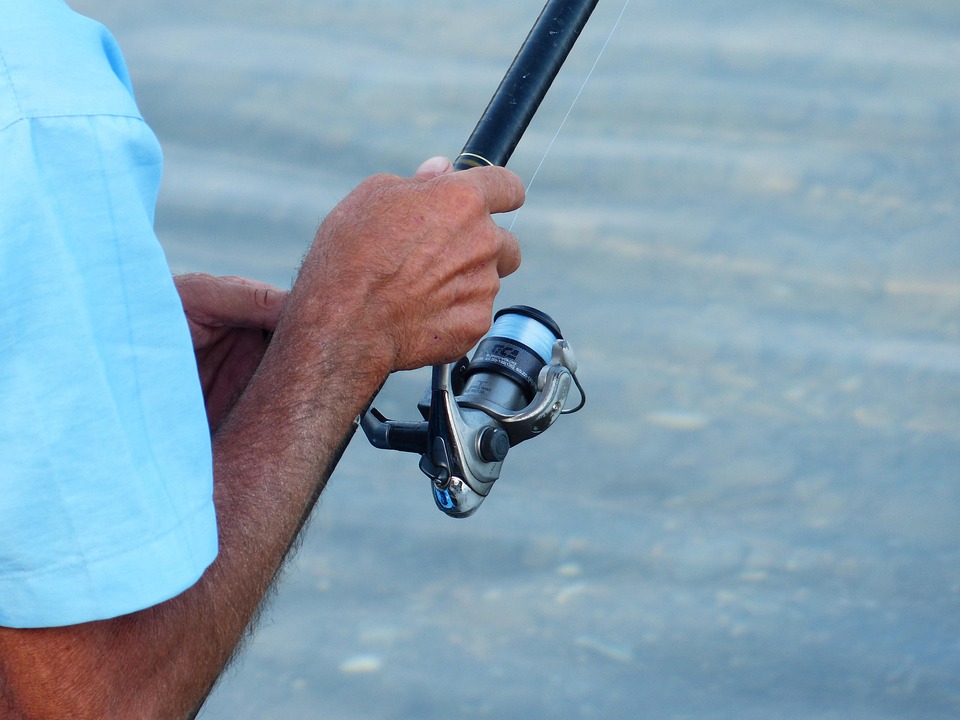
Fishing is not merely a pastime; it’s a beloved tradition, a sport, and at times, a means of sustenance. The tools of the trade are many, but one element often overlooked is the humble knot. Specifically, loop knots are an integral yet underappreciated aspect of fishing, as they can make the difference between a successful outing and a day of frustration. In this article, we delve into the art and science of fishing loop knots, providing insights into their importance, types, techniques, and the benefits they offer.
The Importance of Loop Knots
When anglers think about the tools of fishing, rods, reels, and bait typically spring to mind. Yet, the knot you choose to secure your line to your hook or lure plays a pivotal role in your success rate.
Loop knots provide several advantages:
- Increased Lure Action: Loop knots allow for free movement of the lure, which is essential in enticing fish. Unlike standard knots, loop knots do not restrict lateral movement, mimicking the natural movement of baitfish.
- Enhanced Strength: Many loop knots maintain a high breaking strength. This means they can withstand the rigors of fishing, especially when battling larger species.
- Versatility: Loop knots are suitable for various applications, from freshwater to saltwater fishing, and can be utilized with different types of lures, hooks, and lines.
Types of Loop Knots
There are several different types of loop knots, each with its own unique characteristics and applications. Here, we explore some of the most popular:
1. The Loop Knot
Commonly used among anglers, the Loop Knot is straightforward yet effective. It provides a stable loop for attaching lures without inhibiting their action.
2. The Dropped Loop
This knot creates a loop at the end of the line, making it ideal for attaching multiple hooks or for use in buoy rigs. The Dropped Loop is particularly appreciated in surfcasting and boat fishing.
3. The Spider Hitch
The Spider Hitch is an excellent choice for creating a double line, increasing strength and facilitating easier knot tying. It’s often favored in saltwater fishing for larger game fish.
4. The Bimini Twist
This advanced knot is widely used among professionals due to its exceptional strength. The Bimini Twist allows for a double line at the business end, making it ideal for heavy-duty applications.
5. The Perfect Loop
As the name suggests, the Perfect Loop ensures that the loop remains centered and retains maximum strength—a crucial aspect when fishing in difficult conditions.
How to Tie a Loop Knot: A Step-by-Step Guide
Tying a loop knot requires practice, but with some patience, you can master it. Here’s a quick guide to tying a basic Loop Knot:
- Thread the Line: Pass the fishing line through the eye of your hook or lure.
- Create a Loop: Leave a long end of the line to create a loop, making sure the tag end is longer for easier manipulation.
- Wrap the Tag End: Take the tag end and wrap it around the standing line and the loop several times (typically 5-7). Ensure the wraps are tight and close together.
- Feed the Tag through the Loop: Pass the tag end through the loop you created in the previous step.
- Moisten and Tighten: Moisten the knot with water or saliva and pull on both the standing line and the tag end to tighten the knot.
- Trim the Excess: Cut off the excess tag end if necessary, and check the knot for security.
The Science Behind the Knot
Understanding the science behind fishing knots, particularly loop knots, is essential for their effective application. The torsion and tension placed on the line during a fight can significantly impact knot integrity.
One key element of a strong loop knot is its ability to distribute stress evenly across the fibers of the fishing line. Advanced materials like braided lines have a unique structure that can shift under stress. A well-tied loop knot can accommodate these shifts, helping to prevent failure.
Additionally, research suggests that the angle at which the line enters the knot affects its tensile strength. Anglers are often encouraged to maintain an acute angle where the line exits the knot for optimal performance, a fine detail that can lead to significant results when battling strong fish.
Real-Life Applications and Success Stories
Many anglers have attested to the importance of incorporating loop knots into their fishing repertoire. Stories abound of trophy catches that were only made possible due to a well-executed loop knot.
Consider the example of Dan, an avid saltwater angler. On a recent offshore trip targeting yellowfin tuna, he employed a Bimini Twist to create a double line, enhancing his chances against the powerful fish. After a fierce struggle, Dan landed a fish that outweighed him—an experience he attributes to the reliability of his knot. “Every fisherman knows that lose a big fish is often down to a silly mistake like a faulty knot,” Dan claims, underlining the weight that a knot carries in the world of fishing.
Common Mistakes to Avoid
Despite their apparent simplicity, tying loop knots can lead to errors that may compromise your fishing success. Here are some common mistakes to avoid:
- Using Worn Line: Old or worn lines can be prone to breaking, and any knot will be less effective on compromised material.
- Neglecting Moisture: Failing to moisten the knot before tightening can create unnecessary friction, weakening it.
- Improper Tightening: Not adequately tightening the knot can lead to slippage, so always double-check before casting.
Conclusion
Fishing loop knots are an art form, an amalgamation of skill, science, and physics that necessitates respect and understanding. Whether you’re a novice or a seasoned angler, mastering these knots can significantly enhance your fishing experience, allowing you to connect with nature while reeling in the catch of the day.
These knots not only symbolize your connection to the fishing community but also represent the rich tradition passed down through generations. Investing time in learning and perfecting loop knots is undoubtedly a step towards greater success and enjoyment on the water.
FAQs
Q1: What’s the difference between a loop knot and a standard knot?
A: Loop knots are designed to create a loop at the end of the line that allows for free movement of baits and lures, which is not possible with a standard knot.
Q2: Are loop knots more difficult to tie than other knots?
A: While loop knots have a reputation for being trickier, with practice, they can be tied as easily as standard knots.
Q3: Can I use loop knots with any line type?
A: Yes, loop knots can be used effectively with various fishing line types, including monofilament, fluorocarbon, and braided lines.
Q4: How do I know if my loop knot is tied correctly?
A: A correctly tied loop knot should feel secure and evenly distribute tension. Always inspect your knot before casting to ensure it’s tight and intact.
Q5: What is the best loop knot for beginners?
A: The simple Loop Knot is often recommended for beginners due to its ease of tying and effectiveness.
- fishing bait tips
- fishing gear hacks
- fishing hacks
- fishing knot guides
- fishing knot techniques
- fishing knot tying
- fishing knots
- fishing knots for advanced
- fishing knots for beginners
- fishing leader knots
- fishing line knots
- fishing loop knots
- fishing lure tips
- fishing rig guides
- fishing rig hacks
- fishing rig setups
- fishing rig tips
- fishing rig tricks
- fishing rigs
- fishing strategies
- fishing techniques
- fishing tips
- fishing tips and tricks
- fishing tips for beginners
- fishing tips for experts
- fishing tips for freshwater
- fishing tips for saltwater
- fishing tips online
- fishing tricks
- fishing tricks for better catch











Leave a comment