







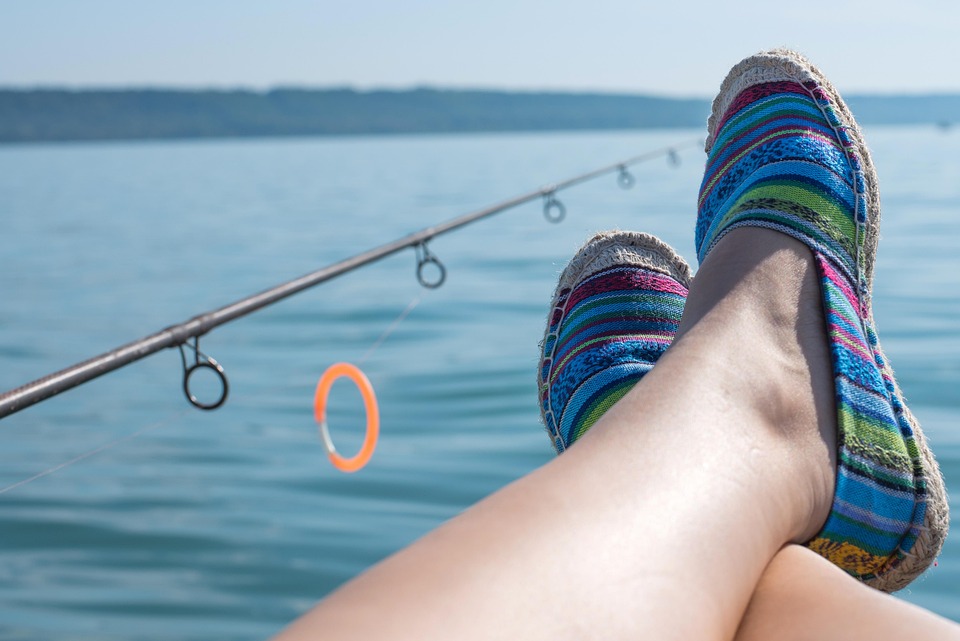


Carp fishing has quickly become one of the most popular angling sports across the globe. As a species that thrives in both still and flowing waters, carp are both challenging and pleasurable to catch. Their hardiness, fight, and varied habitats have attracted a legion of enthusiasts. If you’re an aspiring angler looking to get hooked on carp fishing, here are essential tips, tricks, and insights that will make your fishing experience both enjoyable and successful.
Understanding Carp Behavior
Before casting your line, understanding the carp’s behavior is crucial. Carp are highly adaptable and often change their feeding patterns based on environmental factors like water temperature, weather conditions, and time of year.
- Feeding Habits: Carp are bottom feeders, often searching for food on the lake or riverbed. They primarily feed on natural baits such as worms, crustaceans, and plant materials.
- Seasonal Variations: Spring is usually the best time for carp fishing, as they become more active after the winter. Summer can also be fruitful; however, during the hottest days, carp tend to retreat to deeper waters.
- Water Temperature: Carp are more active at temperatures between 60°F and 75°F (15°C – 24°C). Below this range, their metabolism slows down, impacting their feeding behavior.
Essential Gear for Carp Fishing
Having the right gear can make a significant difference in your success rate as an angler. Here’s a rundown of essential equipment you should consider:
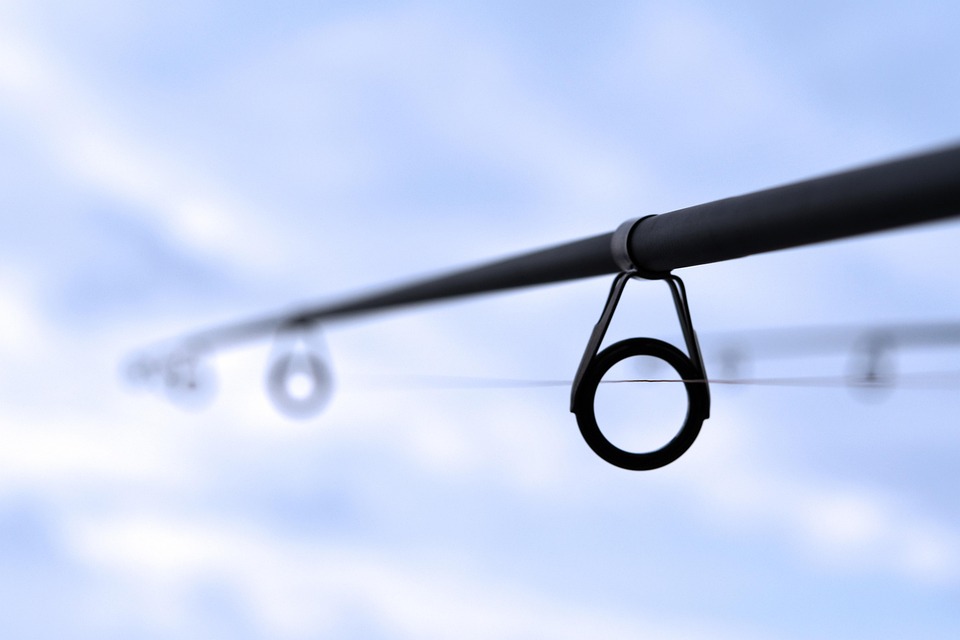
- Rods and Reels: A medium-action rod around 10-12 feet long and a quality reel with a smooth drag are ideal for carp fishing. Look for reels that have a high line capacity, as carp are known for making long runs.
- Line: Fluorocarbon lines are recommended because they are nearly invisible underwater. A breaking strain of 12-15 lbs is usually sufficient for average-sized carp.
- Baits: Boilies, sweet corn, and bread are popular choices. Many anglers also use a method feeder filled with ground bait to attract carp to their fishing spot.
Choosing the Right Spot
Finding the right location can significantly increase your chances of landing a sizable catch. Here are some key tips:
- Look for Structures: Carp tend to congregate near underwater structures like weed beds, fallen trees, and rocky outcrops. These areas provide both food and cover from predators.
- Observe Activity: Pay attention to jumping fish, ripples, or signs of feeding. If you see fish jumping or feeding on the surface, it’s a good indicator that carp are present.
- Time of Day: Early mornings and late evenings are often the best times to cast your line, as carp are most active during these hours.
Mastering Casting Techniques
Effective casting techniques are crucial for reaching carp in their feeding zones, especially when they are near structures. Here are some tips:
- Underarm Cast: This technique is effective for precise placements when near features. Be sure to practice to avoid backlash.
- Overhead Cast: The classic overhead cast allows for distance and power. Use it when you need to reach further out into deeper waters.
- Drop Shotting: This technique allows bait to remain at the desired depth while minimizing the risk of snagging.
Patience and Persistence: Key to Success
Fishing requires a level of patience and persistence that shouldn’t be underestimated. It’s not uncommon to spend hours without a bite, especially for carp that can be finicky eaters. Here are some tips to stay motivated:
- Stay Engaged: Bring along a book or some music. Keeping your mind engaged will make the wait feel shorter.
- Keep a Journal: Documenting your fishing experiences can help you identify patterns, improving your future outings.
- Network with Other Anglers: Joining local clubs or online forums can provide valuable insights and camaraderie. Sharing knowledge can lead to successful trips.
Catch and Release Practices
Carp fishing can have significant ecological implications, so it’s crucial to adopt catch and release practices to promote sustainability.
- Use Barbless Hooks: These minimize damage to the fish and make for easier removal.
- Handle Fish Carefully: Wet your hands before handling carp to protect their slime coat, which is vital for their health.
- Revive Before Release: Hold the fish in the water until it regains its strength before letting it swim away.
Conclusion
Jumping into carp fishing can be both rewarding and challenging for aspiring anglers. With the right knowledge, equipment, and techniques, you’ll not only enjoy the tranquility of nature but also experience the thrill of catching one of the most intelligent freshwater fish. Remember, persistence and preparation are key, and above all, enjoy the journey as much as the destination. So grab your gear, find a local waterway, and get ready to cast your line. Happy fishing!
FAQs About Carp Fishing
1. What is the best time of year to go carp fishing?
The best time for carp fishing is during the spring and early summer, but many anglers also find success in the fall. As mentioned, warmer temperatures increase carp activity.
2. What is the best bait for carp?
Common baits include boilies, sweet corn, and bread. It often depends on what local carp are accustomed to, so experimentation may be necessary.
3. Can I use chicken liver for carp fishing?
Yes, chicken liver can be an effective bait for carp, particularly in locations where carp are used to feeding on organic matter.
4. What size hook should I use for carp fishing?
Sizes can vary depending on the bait, but a size 6 to 10 hook is often recommended for carp fishing.
5. Is carp fishing a form of sport fishing?
Yes, carp fishing is considered a form of sport fishing. Many competitions and organized events focus solely on catching carp.
- beginner bass fishing
- beginner carp fishing
- beginner catfish fishing
- beginner fishing advice
- beginner fishing baits
- beginner fishing gear
- beginner fishing guides
- beginner fishing guides online
- beginner fishing knots
- beginner fishing lures
- beginner fishing mistakes
- beginner fishing reels
- beginner fishing rods
- beginner fishing strategies
- beginner fishing techniques
- beginner fishing tips
- beginner fishing trips
- beginner fishing tutorials
- beginner fishing videos
- beginner fly fishing
- beginner freshwater fishing
- beginner muskie fishing
- beginner panfish fishing
- beginner pike fishing
- beginner saltwater fishing
- beginner trout fishing
- fishing basics
- fishing for beginners
- how to fish
- new anglers tips





Leave a comment