



















Catfishing is a time-honored American tradition, especially when it comes to drawing in that trophy catfish. While many techniques exist to lure these aquatic giants, cut bait catfishing stands out as one of the most effective methods. This article delves into the intricacies of using sliced bait, exploring its advantages, techniques, and the best practices to ensure a successful fishing experience.
The Allure of Catfishing
Why the obsession with catfish? Known for their formidable size and hearty fighting spirit, catfish such as the Blue, Channel, and Flathead varieties are popular among anglers. These fish thrive in diverse water conditions, from rivers and lakes to ponds, making them accessible to fishing enthusiasts worldwide. Their diet consists mainly of other fish, making cut bait a particularly suitable choice.
Understanding Cut Bait
Cut bait refers to flesh taken from fish, typically smaller species, that is sliced into pieces for use as bait. The most common types of cut bait include:
- Shad: An excellent choice due to their oil content and scent.
- Herring: Another oily species that attracts catfish effectively.
- Bluegill: A smaller panfish that catfish find irresistible.
- Carp: A robust bait option due to its size and availability.
Why Use Cut Bait?
Cut bait has several advantages:
- Natural Scent: Catfish have a keen sense of smell, and the scent emanating from cut bait can attract them from considerable distances.
- Presentation: The movement of cut bait in water mimics the natural behavior of injured fish, appealing to catfish.
- Versatility: Cut bait can be used in various fishing environments, increasing chances of success.
Preparing Cut Bait
Preparation is vital for maximizing the effectiveness of cut bait. Here’s how to slice and prepare bait:
1. Selecting Your Bait Fish
Choose healthy fish that are in good condition. You want bait that is fresh, as aged or frozen bait will lose much of its attractive qualities.
2. Slicing Techniques
When cutting your bait, consider these slicing techniques:
- Thickness: A thickness of about 1 inch is ideal. This size is large enough for catfish to detect but not too bulky to deter them from biting.
- Shape: V-shaped cuts or fillets can help expose more of the fleshy interior, releasing scent into the water.
3. Keeping it Fresh
Keep your cut bait on ice or in a cooler to maintain freshness. Old or spoiled bait will be less effective, and a game of cat and mouse with a fish that isn’t biting could ensue.
Fishing Gear and Equipment
While the bait is critical, having the right gear can significantly enhance your fishing experience. Here’s what you’ll need:
1. Rod and Reel
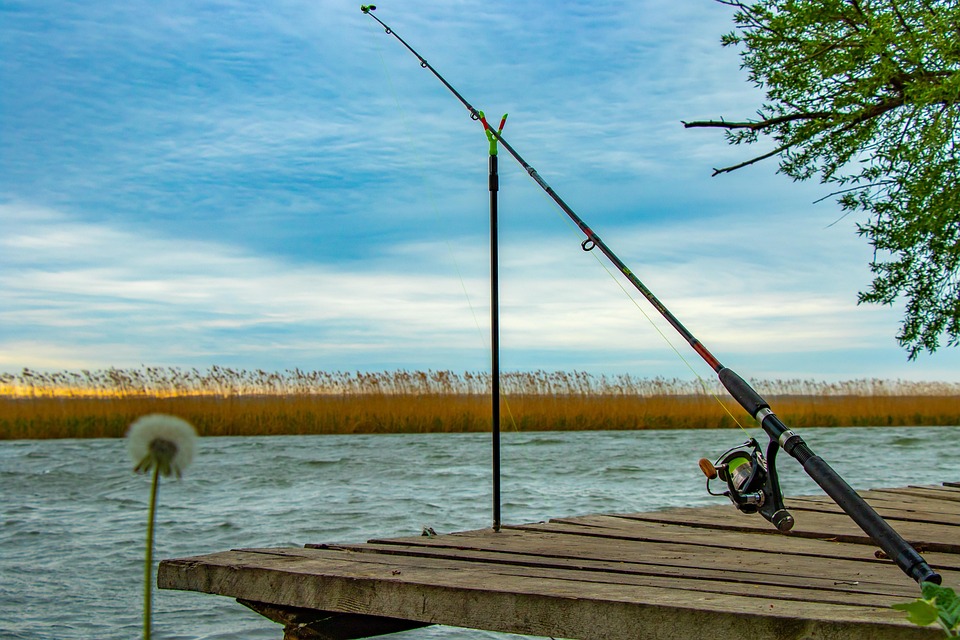
A medium to heavy rod paired with a sturdy reel is crucial for handling larger catfish. Look for gear that can withstand the forces of larger species.
2. Fishing Line
Using a strong braided line (40-80 lb) is advisable. Catfish are strong, and a durable line will help secure a catch.
3. Hooks and Weights
Circle hooks are popular among catfish anglers as they are designed to hook fish in the corner of their mouths, increasing the likelihood of a successful catch. Using weights, such as sliding sinkers, will help keep the bait on the bottom, where catfish often feed.
Finding the Best Locations
Identifying the right fishing spots can make or break your catfishing expedition. Key locations to consider include:
- Deep Holes: Catfish tend to gather in deeper waters during the day.
- Current Breaks: Areas where fast currents transition to slower ones are often rich in forage, making them ideal spots.
- Structures: Sunken logs, rocks, and underwater vegetation can serve as hiding places for catfish.
Techniques for Using Cut Bait
Now that you have your gear, bait, and location, it’s time to focus on techniques. Here are some effective methods for using cut bait:
1. Bottom Fishing
One of the most popular methods for catfishing with cut bait is bottom fishing. This technique involves allowing your bait to settle on the lake or riverbed. Ensure your weight is heavy enough to keep the bait in place and use a bobber to help detect bites.
2. Drift Fishing
Drifting with the current allows your bait to cover more ground. This method works well in larger bodies of water where catfish are likely to be scattered. Use a light weight to keep bait just above the bottom.
3. Jug Fishing
This technique involves using floating jugs with bait attached, allowing you to cover a larger area efficiently. Jugs must be marked for visibility and compliance with local regulations.
Time of Day and Weather Considerations
Timing and conditions play a critical role in catfishing success. Catfish are typically most active during low-light conditions such as early mornings, late afternoons, or overcast days. Water temperature also impacts their feeding behavior, making it essential to plan outings around seasonal changes.
Moon Phases
Some anglers swear by fishing during specific lunar phases, claiming that catfish are more active during new and full moons. While scientific proof is mixed, it’s worth experimenting to see if this belief holds true for your fishing trips.
Cleaning and Storing Your Catch
Once you’ve successfully caught catfish, proper handling and storage are necessary. Clean your fish as soon as possible. Follow these steps:
- Place the fish on a clean, flat surface.
- Use a sharp knife to remove the head and tail.
- Gut the fish, removing all internal organs.
- Clean the flesh thoroughly under cold water.
- Store the cleaned fish in ice or refrigerate if you plan to eat them within a few days.
Conclusion
The art of cut bait catfishing combines technique, preparation, and the thrill of the chase. By understanding the nuances of using sliced bait, selecting the right gear, and applying strategic fishing techniques, anglers can enhance their chances of hooking that elusive catfish. Remember to respect the environment and fish responsibly. Each trip to the water is not just about the catch but also about appreciating nature and all it offers.
FAQs
1. What types of fish are best for cut bait?
Fish like shad, herring, bluegill, and carp are effective options due to their scent and availability.
2. How should I store cut bait until I use it?
Keep cut bait on ice or in a cooler to maintain freshness. Avoid using bait that has begun to spoil.
3. Can I catch catfish during the day?
Yes, but they are often more active during early mornings, late afternoons, and cloudy days.
4. What size hooks should I use for catfishing?
Circle hooks ranging from 5/0 to 10/0 are recommended, depending on the size of the catfish species you are targeting.
5. Is there a specific season for catfishing?
Catfishing can be successful year-round, but spring and early summer are often regarded as peak seasons due to increased fish activity.
- advanced catfish fishing
- blue catfish fishing
- catfish angling
- catfish bait
- catfish fishing
- catfish fishing for beginners
- catfish fishing gear
- catfish fishing guides
- catfish fishing reels
- catfish fishing rods
- catfish fishing seasons
- catfish fishing spots
- catfish fishing tactics
- catfish fishing techniques
- catfish fishing tips
- catfish hooks
- catfish rigs
- catfish species
- channel catfish fishing
- cut bait catfish fishing
- deep water catfish fishing
- flathead catfish fishing
- lake catfish fishing
- live bait catfish fishing
- monster catfish fishing
- night catfish fishing
- river catfish fishing
- shallow water catfish fishing
- stink bait catfish fishing
- trophy catfish fishing
















Leave a comment