

















Catching trophy fish is the dream of many anglers. It’s not just about the thrill of the catch, but the pride and recognition that come from landing a true giant. Here’s an in-depth guide that will help you increase your chances of landing your own underwater behemoth.
Understanding Trophy Fish
Defining what constitutes a “trophy” fish varies by species and location. Factors such as age, weight, and length are commonly considered. For example, a 30-pound striped bass is often viewed as a trophy in the East Coast waters, while a 10-pound largemouth bass might earn that classification in many freshwater lakes.
Anglers typically target species like salmon, snapper, bass, pike, and catfish when searching for trophy specimens. The uniqueness, challenge, and adrenaline associated with these fish justify the time and resources spent trying to catch them.
Researching Your Target Species
The first step in trophy fishing is to thoroughly research the species you wish to catch. Understanding their habits, feeding patterns, and habitats is crucial. For instance, many fish are more active during dawn and dusk, making these prime times for fishing.
Common Trophy Fish Species
- Striped Bass: Known for their fighting spirit, they are best caught in tidal rivers during spring and fall.
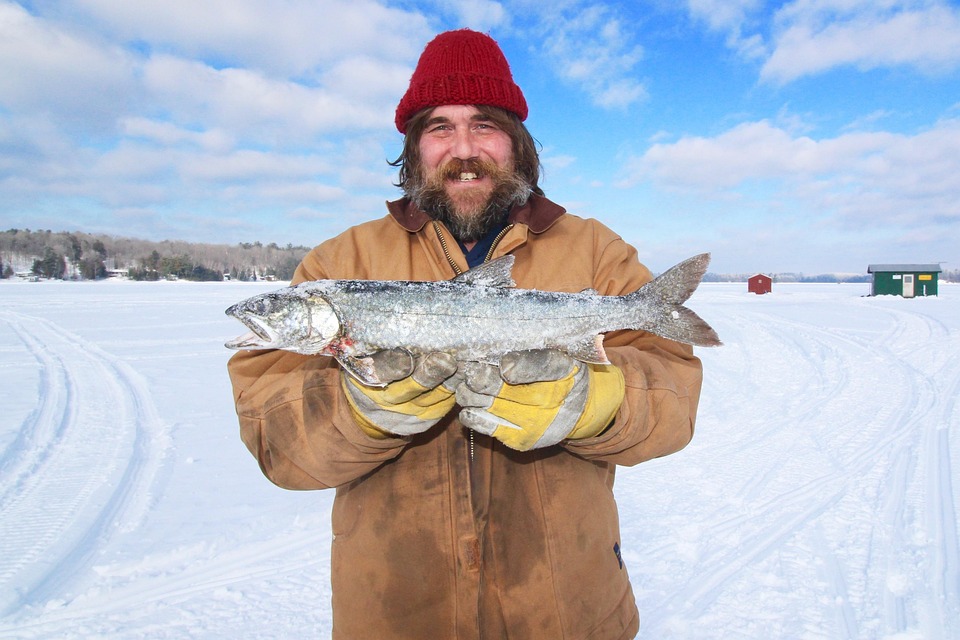
- Lake Trout: Found in cold water lakes, these fish are known to grow large and are best caught through ice fishing during the winter months.
- Pike: These aggressive predators thrive in weedy lakes and can be caught using various lures.
- Largemouth Bass: Often found in ponds and lakes, these fish prefer structure and are aggressive feeders.
Choosing the Right Gear
Your choice of gear can drastically influence your success rate. Here are some essential tools and equipment you should consider:
Fishing Rods and Reels
Choosing the right rod and reel can be a matter of personal preference, but the right match for your target species is vital. Heavy-action rods are often favored for larger species. Pair your rod with a reel capable of holding enough line and with the appropriate drag system.
Fishing Line
Line strength is essential when targeting trophy fish. Braided lines offer high strength and sensitivity, while monofilament lines provide stretch that can help absorb the shock of a hard strike.
Baits and Lures
Many anglers will find success using live bait, but artificial lures can be extremely effective too. Research what bait is favored by your target species during the season you’re fishing. Jigs, swimbaits, crankbaits, and spoons are popular choices for many trophy fish species.
Perfecting Your Techniques
Effective fishing techniques often depend on the species and the environment:
Topwater Fishing
This technique is exhilarating, especially when targeting bass in the early morning or late evening. Poppers, frogs, and buzz baits can effectively trigger explosive strikes from pesky predators.
Deep Water Fishing
Understanding how to fish at various depths is crucial. Using a depth finder can aid in locating fish that are feeding near the bottom. Techniques such as dropping jigs and using drop-shot rigs can help you reach those deep-lying giants.
Bottom Fishing
This classic method is particularly effective for species like catfish and grouper. Using heavy weights and bait that stays on the bottom increases your chances of success.
Timing is Everything
The time of year can drastically alter your prospects. Seasons affect spawning, feeding patterns, and even temperature preferences of the fish. For example, many freshwater species spawn in the spring, leading to increased activity and feeding around that time.
Weather Effects
Cloud cover can provide cover for fish, making them less wary, while sunny weather helps them stay in deeper waters. Additionally, a drop in atmospheric pressure often leads to increased activity.
Location, Location, Location
Finding the right spot is essential for trophy fishing. Areas with structure such as underwater reefs, submerged logs, or grass beds often attract fish. Don’t shy away from asking locals or doing some online research to determine the best fishing locations.
Conservation and Ethics
As a trophy angler, it’s important to engage in ethical fishing practices. Catch and release techniques help maintain fish populations for others to enjoy. Using barbless hooks can minimize harm to the fish, increasing their chances of survival post-release.
Regulations
Understanding and adhering to fishing regulations is vital for species preservation. Size limits, bag limits, and seasonal restrictions are in place to ensure sustainable fishing practices.
Conclusion
Catching trophy fish requires a blend of knowledge, skill, and patience. By understanding the species you are targeting, using the right gear, mastering fishing techniques, and practicing ethical angling, you can enhance your trophy-fishing experience. Remember, the thrill of the catch isn’t just about the size of the fish, but the stories, memories, and respect for nature that come along with it.
Frequently Asked Questions (FAQs)
A trophy fish is typically defined as a specimen that is significantly larger than average for its species, often based on length, weight, or age. This can vary widely based on fishing regions and species.
Live baits such as shad, minnows, and worms are often very effective, along with artificial lures like crankbaits, swimbaits, and jigs depending on the species you’re targeting.
Catch and release is vital for sustaining fish populations and ensuring that future generations of anglers have the opportunity to catch trophy fish.
The best times to catch trophy fish often vary by species but generally align with their spawning seasons, which typically occur in spring and early summer.
Yes, fishing licenses are typically required in most regions, regardless of the fish species you are targeting. Always check local regulations before fishing.
- barracuda fishing
- beach fishing
- big game fishing
- bluewater fishing
- boat fishing
- coastal fishing
- deep ocean fishing
- deep sea fishing
- drift fishing
- grouper fishing
- jigging fishing
- kingfish fishing
- mahi mahi fishing
- marlin fishing
- ocean fishing
- offshore fishing
- pier fishing
- reef fishing
- sailfish fishing
- saltwater angling
- saltwater fishing
- saltwater fishing guides
- shark fishing
- shore fishing
- snapper fishing
- sport fishing
- surf fishing
- trolling fishing
- tuna fishing









Leave a comment