


















Fishing offers a unique blend of tranquility and excitement, letting individuals soak in the beauty of nature while engaging in a test of skill and patience. Whether you’re a seasoned angler or a novice baiting your first hook, mastering the art of fishing requires knowledge, practice, and a little bit of finesse. This guide will elucidate the essentials of fishing, breaking down techniques, gear, species, and strategies to ensure that success comes easier on the water.
The Basics of Fishing
Regardless of your experience level, it’s essential to grasp the basics of fishing. Understanding the environment, fish behavior, and essential fishing gear is crucial to your success.
Understanding Fishing Environments
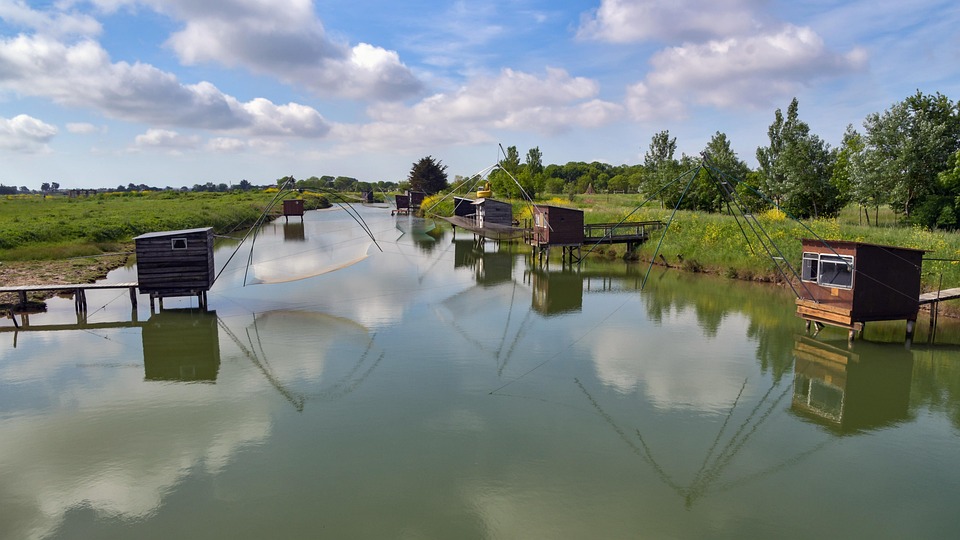
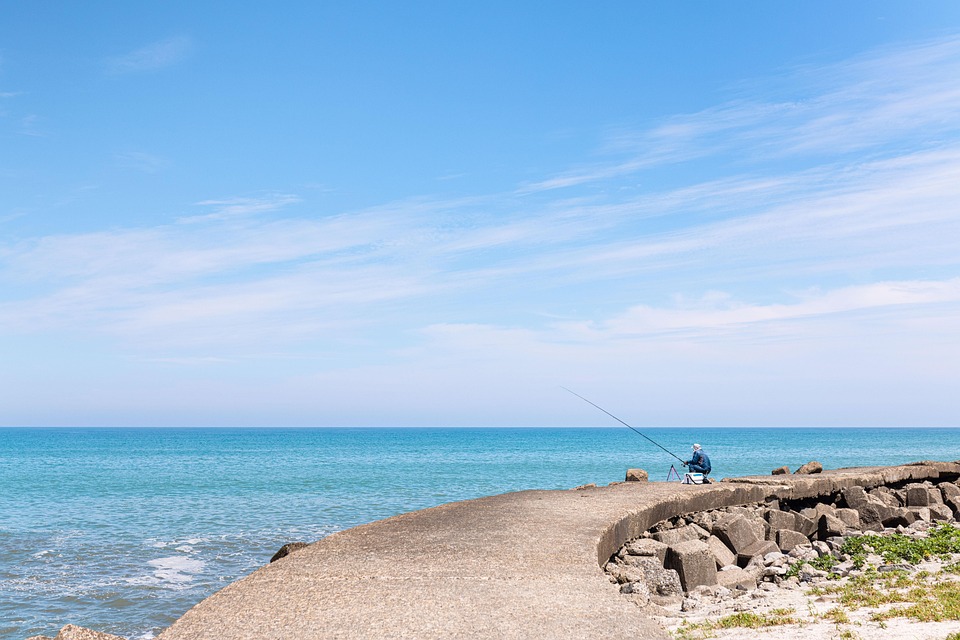
Fish can inhabit various environments, including lakes, rivers, and oceans. Each setting offers its own set of challenges and rewards, necessitating different techniques and equipment. Freshwater fishing typically takes place in rivers, streams, and lakes, while saltwater fishing occurs in coastal and offshore waters. Familiarizing yourself with the specific ecosystem will position you better to locate and catch fish.
Essential Fishing Gear
Your fishing gear consists of the rod, reel, line, hooks, and bait. Your choice of equipment can significantly impact your fishing success.
- Rod and Reel: Selecting the appropriate rod and reel is paramount. Rods come in various lengths and strengths, while reels can be either spinning or baitcasting. Understanding your target species will guide you in choosing the right equipment.
- Fishing Line: The fishing line is the vital connection between you and the fish. Monofilament, fluorocarbon, and braided lines each come with unique characteristics, suitable for varying conditions.
- Hooks and Bait: The type of hook and bait you choose can make or break a fishing trip. Live bait appeals to many species and is often more effective, while artificial lures can entice fish through color and movement.
Techniques to Improve Your Fishing
Mastering fishing techniques is a blend of science and art. Here are several methods that can elevate your fishing game:
Casting Techniques
Perfecting your casting technique can significantly increase your chances of catching fish. The two primary casting styles are:
- Overhead Cast: This is the most common and straightforward technique, enabling you to cast your line over distances efficiently.
- Sidearm Cast: This technique is advantageous in tight spaces, providing accuracy without the risk of getting snagged in nearby overhead structures.
Understanding Fish Behavior
Learning about fish behavior is crucial when planning your fishing approach. Here are some factors that influence fish activity:
- Temperature: Fish are cold-blooded and often become more active in warmer waters. Understanding optimal temperatures for different species can yield better results.
- Time of Day: Many fish feed during dawn and dusk when they feel safer and temperatures are more favorable.
- Weather Conditions: Changes in weather can alter fish feeding behavior. For example, overcast days might boost the chances of catching fish, while sunny days might send them deep into the water.
Locating Fish
Finding fish requires keen observation and knowledge of their habitats. Key areas to explore include:
- Structure: Fish often congregate around structures such as rocks, submerged trees, and reefs.
- Drop-offs: Changes in water depth can create ideal fishing spots, as fish tend to gather at these transitions.
Species of Fish: Targeting Your Catch
Different fish species require specific approaches. Understanding the species you want to catch will improve your fishing success exponentially.
Freshwater Species
Some popular freshwater fish include:
- Bass: Known for their aggressive nature, bass are often found near vegetation and structure.
- Trout: They prefer colder waters and can be caught using both bait and flies, especially in streams.
Saltwater Species
In saltwater fishing, you might encounter species like:
- Snapper: These fish are fond of structure and are often found near reefs.
- Tuna: Known for their speed and power, tuna can be challenging yet rewarding to catch.
Fishing Etiquette and Conservation
As anglers, it is essential to practice good fishing etiquette and promote conservation. Respecting fishing regulations, practicing catch and release, and minimizing your impact on the environment helps ensure future generations can enjoy these waters.
Respecting Other Anglers
Maintaining a respectful distance from other anglers is vital. Avoid overcrowding spots and try to share space amicably.
Promoting Conservation
Many areas have specific regulations regarding sizes and limits. Following these guidelines not only promotes sustainable fishing practices but also helps preserve the fish population for future generations.
The Joy of Fishing Beyond the Catch
While the thrill of catching fish is exhilarating, fishing offers much more than just the catch. It can serve as a peaceful retreat and a way to connect with nature, family, and friends. The quiet moments spent waiting for a nibble can be rewarding in their own right, allowing individuals to unwind and reflect.
Building Relationships
Fishing can foster friendships and strengthen relationships. Sharing the experience, whether teaching someone to fish or spending a day on the water with friends, creates lasting memories.
Cultural Significance
Throughout history, fishing has held cultural significance beyond mere recreation. From ancient traditions to modern practices, fishing often symbolizes patience, perseverance, and respect for nature.
Frequently Asked Questions (FAQs)
What is the best time to fish?
The best times to fish are typically just before sunrise and just before sunset, when fish are more active and feeding.
What type of bait should I use?
The choice of bait depends on the target species. Live bait (like worms or minnows) is often effective, while artificial lures can mimic the movement of prey.
Do I need a fishing license?
Yes, most regions require you to have a fishing license. Check your local regulations to ensure compliance.
Can you fish in the rain?
Yes, fishing can be productive in light rain. Fish often become more active, but take care to prioritize safety and avoid rough weather.
What should I do if I catch a fish?
If you plan to keep it, ensure it meets local regulations. For catch-and-release, handle the fish gently and minimize its time out of the water to increase its chance of survival.
- fishing bait tips
- fishing gear hacks
- fishing hacks
- fishing knot guides
- fishing knot techniques
- fishing knot tying
- fishing knots
- fishing knots for advanced
- fishing knots for beginners
- fishing leader knots
- fishing line knots
- fishing loop knots
- fishing lure tips
- fishing rig guides
- fishing rig hacks
- fishing rig setups
- fishing rig tips
- fishing rig tricks
- fishing rigs
- fishing strategies
- fishing techniques
- fishing tips
- fishing tips and tricks
- fishing tips for beginners
- fishing tips for experts
- fishing tips for freshwater
- fishing tips for saltwater
- fishing tips online
- fishing tricks
- fishing tricks for better catch













Leave a comment