















Catching catfish can be an exhilarating and rewarding experience for anglers of all skill levels. With their unique characteristics and varied habitats, catfish offer a challenge while also being one of the more forgiving species to catch. This comprehensive guide aims to unveil the secrets of the lake, providing you with the tools and knowledge needed to successfully catch these remarkable fish.
Understanding Catfish Behavior
Catfish are primarily bottom feeders, with adapted sensory organs that allow them to hunt in murky waters. Understanding their behavior is key to successful fishing. There are several species of catfish, but the most common are:
- Channel Catfish: Recognizable by their forked tails, they are often found in rivers and lakes.
- Blue Catfish: The largest species, often exceeding 100 pounds, prefer deeper waters.
- Flathead Catfish: Known for their broad, flat heads, they are primarily nocturnal hunters.
Catfish are most active during dusk and dawn, making these times ideal for fishing. They tend to seek shelter under rocks, logs, or vegetation during the day, so targeting these areas can yield better results.
Choosing the Right Location
Selecting the right fishing spot is critical. Catfish thrive in various aquatic environments, and knowing where to find them can significantly increase your success. Here are some prime locations:
- Deep Holes: Look for areas where the water is at least 10 feet deep. Catfish often retreat to these zones during the heat of the day.
- Channels: Natural channels, especially where rivers meet lakes, can be hotspots for catfish.
- Tailwaters: Areas below dams are often rich in food supply due to the current carrying nutrients downstream.
- Structure: Zones with logs, rocks, or any submerged structure can provide catfish with excellent cover.
Essential Gear for Catfishing
Equipping yourself with the right gear is essential. Here’s a list of items you’ll need:
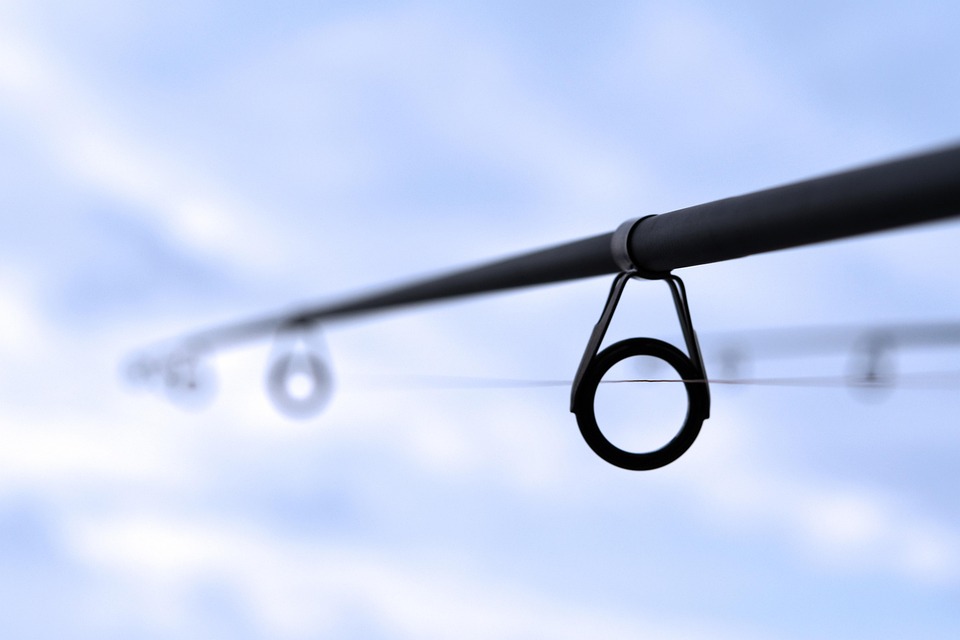
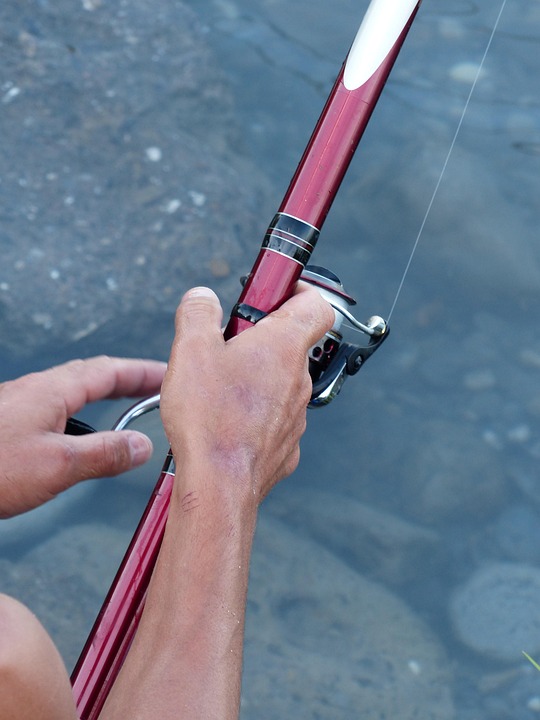
- Rods and Reels: Heavy-duty rods rated for catfish and bait-casting or spinning reels with an adequate drag system.
- Line: Use a heavy monofilament or braided line, typically rated between 20-50 pounds.
- Hooks: Large circle or J-hooks in the range of 4/0 to 8/0, depending on the bait.
- Sinkers: Use weights that can reach the bottom, such as egg sinkers or no-roll sinkers.
Choosing the Right Bait
The right bait can be the decisive factor in your fishing success. Catfish have a diverse diet, and understanding what to use can help you attract them:
- Cut Bait: Fish such as shad or bluegill cut into chunks can work effectively.
- Live Bait: Using live worms, minnows, or even small catfish can entice larger catches.
- Stink Baits: Commercially available stink baits or homemade recipes (using cheese, blood, or shad) can bring significant results.
- Prepared Baits: Dough balls with flavor additives can attract channel catfish.
Experimenting with different baits and observing what works best during your fishing trips is part of the process.
Fishing Techniques
Once you have the right gear and bait, employing the correct fishing technique is crucial. Here are some of the most effective methods:
- Bottom Fishing: The most common method, where bait is cast to the bottom using weights to keep it in place.
- Jug Fishing: Use floating jugs with bait to cover a larger area of water. This is particularly useful in lakes.
- Drift Fishing: Allow your bait to drift along currents in lakes or rivers, mimicking natural food movement.
- Night Fishing: Catfish are primarily nocturnal, so fishing at night can be highly productive. Use lights to attract bait fish, which in turn attracts catfish.
The Importance of Patience and Persistence
Catching catfish is often about patience and persistence. Unlike some species that are quick to bite, catfish may take their time. Stay vigilant, keep the line tight, and be ready for a fight when they bite.
Safety and Conservation
While fishing for catfish can be thrilling, it’s essential to prioritize safety and conservation:
- Wear a life jacket: If you’re fishing from a boat, ensure everyone is wearing a life vest.
- Follow local regulations: Adhere to size and bag limits. Knowledge of the local ecosystems is vital for ensuring sustainability.
- Catch and Release: If you’re not keeping the fish, handle them carefully to ensure their survival post-release.
Conclusion
Catching catfish is much more than just reeling in a fish; it’s about enjoying the great outdoors, connecting with nature, and the thrill of the chase. By understanding their behavior, selecting the right locations, and employing effective techniques, anyone can enjoy a successful catfishing experience. Always prioritize safety and conservation to ensure that future generations can also participate in this rewarding activity. So grab your gear, head to the lake, and embrace the adventure that awaits. Whether you’re a novice or a seasoned angler, the secrets of the lake are yours to discover!
FAQs
What is the best time of year to catch catfish?
The best time to catch catfish typically spans from late spring through summer, with peak activity during warmer months. However, catfish can be caught year-round in various conditions.
How do I prepare catfish for cooking?
After cleaning the catfish, you can marinate it with your favorite seasonings or batter it for frying. Catfish can also be grilled, baked, or cooked in stews.
What size rod should I use for catfishing?
A medium to heavy action rod of 6 to 8 feet is highly recommended for catfishing. Ensure it’s sturdy enough to handle larger catfish species.
Do catfish bite during the day?
Yes, catfish can be caught during daylight, especially in colder months. However, they tend to be more active during dawn and dusk.
Can I use store-bought bait for catfishing?
Absolutely! Store-bought baits, including dough balls and stink baits, are convenient and effective choices for attracting catfish.
- advanced catfish fishing
- blue catfish fishing
- catfish angling
- catfish bait
- catfish fishing
- catfish fishing for beginners
- catfish fishing gear
- catfish fishing guides
- catfish fishing reels
- catfish fishing rods
- catfish fishing seasons
- catfish fishing spots
- catfish fishing tactics
- catfish fishing techniques
- catfish fishing tips
- catfish hooks
- catfish rigs
- catfish species
- channel catfish fishing
- cut bait catfish fishing
- deep water catfish fishing
- flathead catfish fishing
- lake catfish fishing
- live bait catfish fishing
- monster catfish fishing
- night catfish fishing
- river catfish fishing
- shallow water catfish fishing
- stink bait catfish fishing
- trophy catfish fishing














Leave a comment