

















The allure of panfishing is hard to resist. Whether it’s the thrill of catching a feisty bluegill or the taste of a crappie fillet sizzling in the pan, panfish provide joy for anglers of all ages. However, to truly master this art, one must understand the seasonal behaviors of these fish across different regions in the U.S.
The Panfish Family Trees
Panfish are a diverse group encompassing species such as bluegills, crappies, and perch. Each species has its unique spawning habits and seasonal tactics. Here’s a closer look at the most popular types:
- Bluegill: Often found in lakes and ponds, bluegill are aggressive feeders and spawn in late spring to early summer.
- Crappie: Known for their elusive nature, crappies often spawn in shallow waters and can be found in both black and white varieties.
- Yellow Perch: A staple in many northern lakes, yellow perch spawn in the early spring, particularly in shallow waters.
Regional Differences in Panfish Seasons
The United States features a wide array of climates and water bodies, which directly influence the behavior and availability of panfish. Below is a breakdown of panfish seasons in different regions of the country.
Northeast: Chilly Waters, Early Spawns
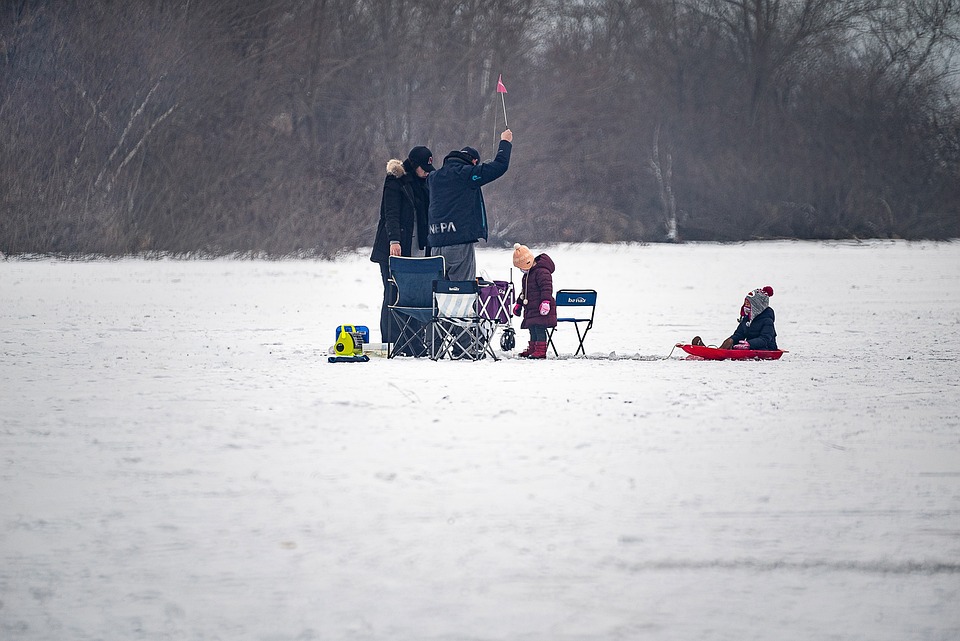
The Northeast can be chilly, but panfish have a way of making things warm up. Ice fishing for species, particularly yellow perch, is quite popular in this region during winter. When the ice melts, usually by mid-April, spawning begins. Anglers can find bluegill and crappie in shallow waters.
Tip: Early morning or late evening can be the best times to catch these fish as they tend to be more active.
Southeast: Year-Round Angling
In the Southeast, the warmer climate allows for year-round fishing opportunities. Bluegills and crappies usually start spawning in March and can continue until August. This prolonged period allows anglers more flexibility in scheduling their fishing trips.
Tip: Look for these fish near brush piles and submerged vegetation during the summer months.
Midwest: The Heart of Panfish Territory
The Midwest is often regarded as the heartland of panfishing. Lakes are abundant, and the spawning season for bluegill typically starts in late May and can go into early July. Crappies, on the other hand, spawn in May, and anglers flock to the lakes in droves during this peak season.
Tip: Utilize slip bobbers to keep bait suspended at the right depth, especially during the spawn when fish are near the surface.
Southwest: Warming Trends
The Southwest states experience panfish activities in waves, with bluegills being most active throughout the warmer months. In reservoirs and warmer lakes, panfish engage in feeding frenzies in mid-spring to fall, with multiple spawn cycles.
Tip: Focus fishing near vegetation and rocks which provide shelter and food sources for panfish.
Northwest: Coastal Insights
In the Northwest, especially around glacial lakes, the fishing landscape is unique. Bluegills and crappies spawn from late May through early summer. With longer daylight hours, anglers are met with opportunities throughout the season, particularly in afternoons.
Tip: Always keep an eye on weather changes, as they can affect water temperatures and fish activity levels.
The Impact of Weather on Panfish Fishing
Weather can alter fishing conditions significantly. Rain, wind, and temperature changes can all influence fish behavior. Understanding these factors can enhance your fishing success:
- Warmer Weather: Typically increases fish metabolic rates, making them more active and easier to catch.
- Cold Fronts: Can send fish deeper and make them less likely to bite. Opt for slow presentations in these conditions.
- Barometric Pressure: A falling barometer often indicates a feeding frenzy, while a rising barometer can slow fish activity.
Choosing the Right Gear
Selecting the right gear can make a difference in your panfishing experience. Here are essential components to consider:
- Rod and Reel: A light to ultralight spinning rod paired with a small spinning reel is the best choice for panfish.
- Line: 4-6 lb test line should suffice, as it allows for better sensitivity while still providing strength.
- Bait: Live bait like worms and crickets work wonders, but artificial lures like small jigs and spinners can be equally effective.
Ethical Fishing Practices
Responsible fishing is crucial for preserving fish populations and their habitats. Here are some ethical practices to adopt:
- Catch and Release: If you’re not planning to eat the fish, consider releasing them back to promote sustainability.
- Follow Regulations: Always check local fishing regulations regarding size limits and bag limits.
- Conserve Habitats: Respect the environment by cleaning up after yourself and minimizing disturbances to sensitive areas.
Conclusion
Understanding the seasonal behavior of panfish across different regions can enhance your fishing experience and success rates. From bluegills to crappies, each species offers its unique challenges and rewards. Whether you are a seasoned angler or a novice, respecting the environment and adopting ethical practices can ensure that future generations enjoy the sport. Remember, the real catch is not just the fish but the experience shared with family and friends on the water.
FAQs
What is the best time of day to catch panfish?
The early morning and late evening are generally the most productive times for catching panfish, as they tend to be more active during these hours.
Do I need a fishing license for panfishing?
Yes, a fishing license is required in most states. Always check your local regulations for specific requirements.
What is the ideal water temperature for panfish?
Panfish typically thrive in water temperatures between 70°F to 80°F during the spawning season, although they can be caught at a wider range of temperatures.
Can I fish for panfish in a river?
Yes, many panfish species inhabit rivers, especially in slow-moving sections or backwaters. Always consider current and water depth when selecting a fishing spot.
What bait is most effective for panfish?
Live bait, such as worms, crickets, and minnows, is often the most effective. Small jigs and plastic lures can also be very successful.
- bait fishing seasons
- bass fishing seasons
- best fishing times
- bluegill fishing seasons
- carp fishing seasons
- catfish fishing seasons
- crappie fishing seasons
- fishing seasons
- fly fishing seasons
- inshore fishing seasons
- jigging seasons
- marlin fishing seasons
- muskie fishing seasons
- offshore fishing seasons
- panfish fishing seasons
- pike fishing seasons
- popping seasons
- sailfish fishing seasons
- salmon fishing seasons
- seasonal fishing for beginners
- seasonal fishing guides
- seasonal fishing guides worldwide
- seasonal fishing strategies
- seasonal fishing tips
- shark fishing seasons
- spinning fishing seasons
- trolling seasons
- trout fishing seasons
- tuna fishing seasons
- walleye fishing seasons
- zander fishing seasons







Leave a comment