

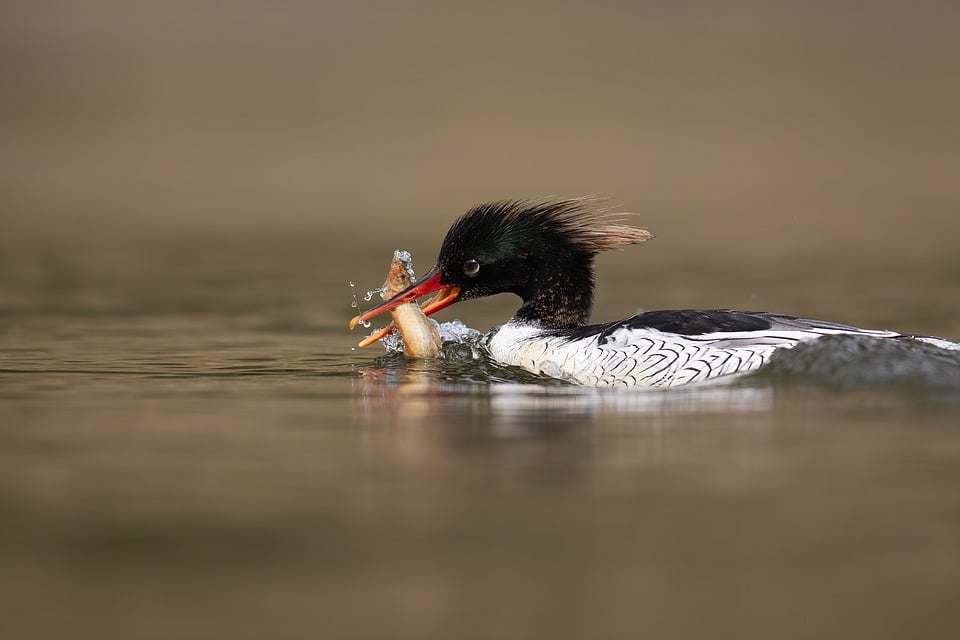


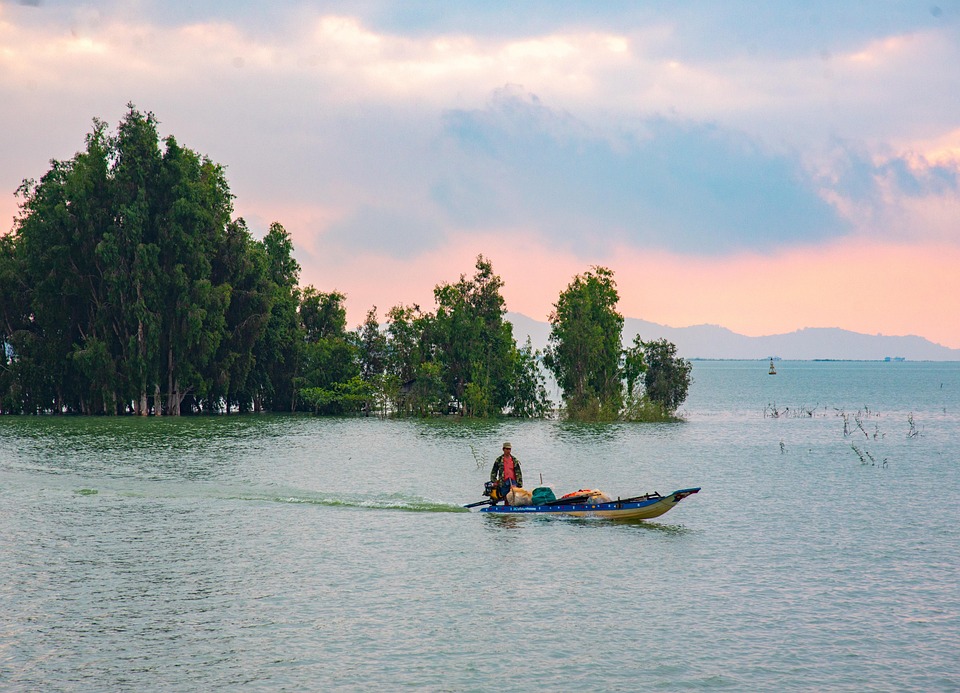








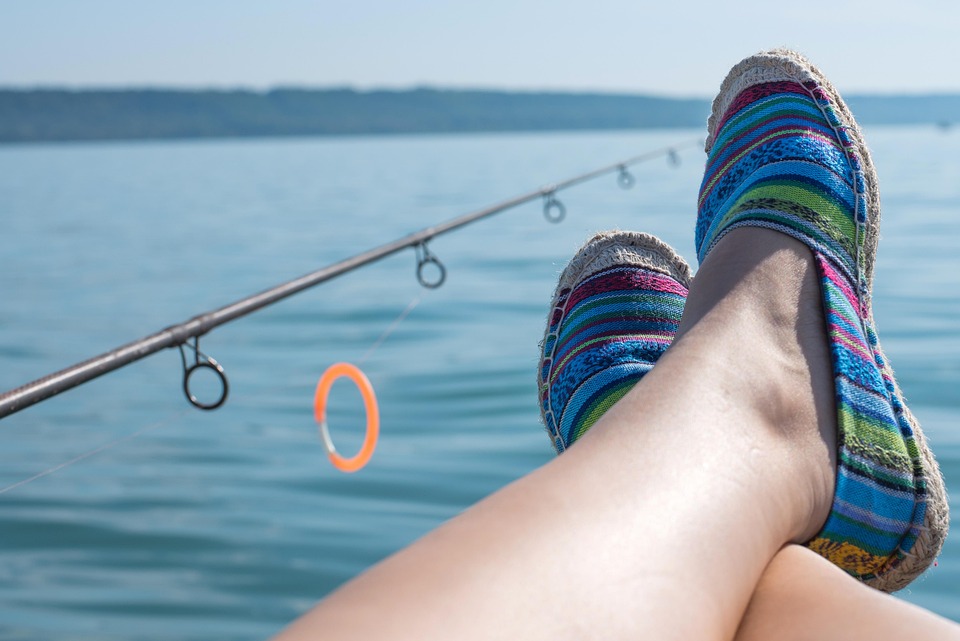


Predator fishing, a thrilling and challenging adventure, is a favorite among anglers seeking the ultimate experience on the water. Whether you are casting for ferocious pike, cunning bass, or majestic muskie, mastering the techniques involved in predator fishing can lead to a bountiful catch. This article serves as a guide, providing you with insights into gear selection, fishing tactics, and environmental considerations to enhance your predator fishing endeavors.
Understanding Predator Species
Before embarking on your fishing journey, it’s vital to understand the behavior and habits of the various predator species you aim to catch. Here are a few popular predator fish:
- Bass: Known for their aggressive feeding behavior and acrobatics when hooked, bass are prevalent in freshwater lakes and rivers.
- Pike: These apex predators are characterized by their sharp teeth and elongated bodies, often hiding in weeds or underwater structures.
- Muskie: Larger than their pike cousins, muskies are often elusive and require specific tactics to catch.
- Walleye: Known for their delicate bite, these fish require skillful presentations and sharp reflexes.
Choosing the Right Gear
To successfully catch predator fish, having the right gear is paramount. Here’s a breakdown of essential equipment:
Rod and Reel
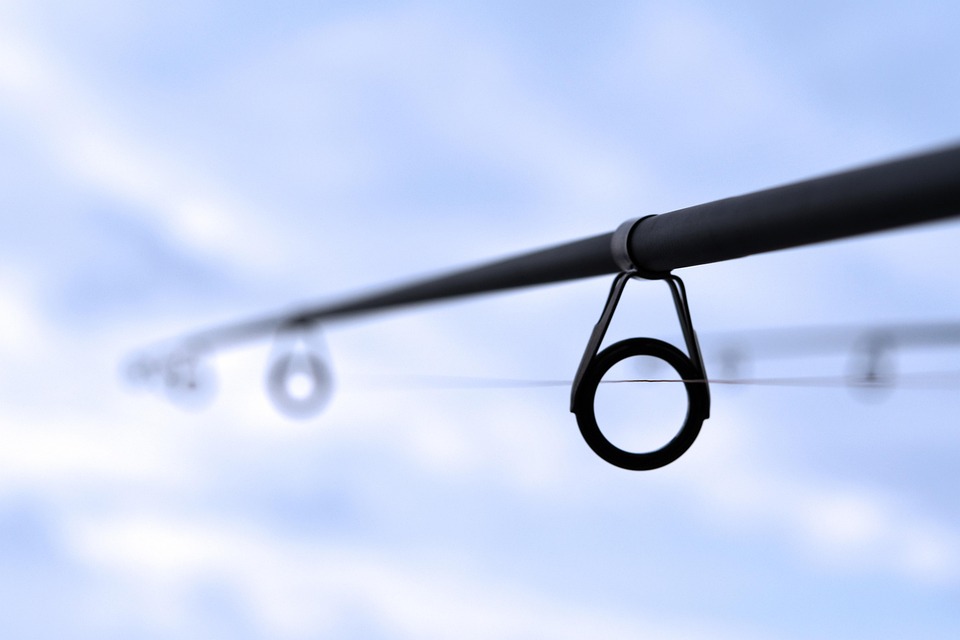
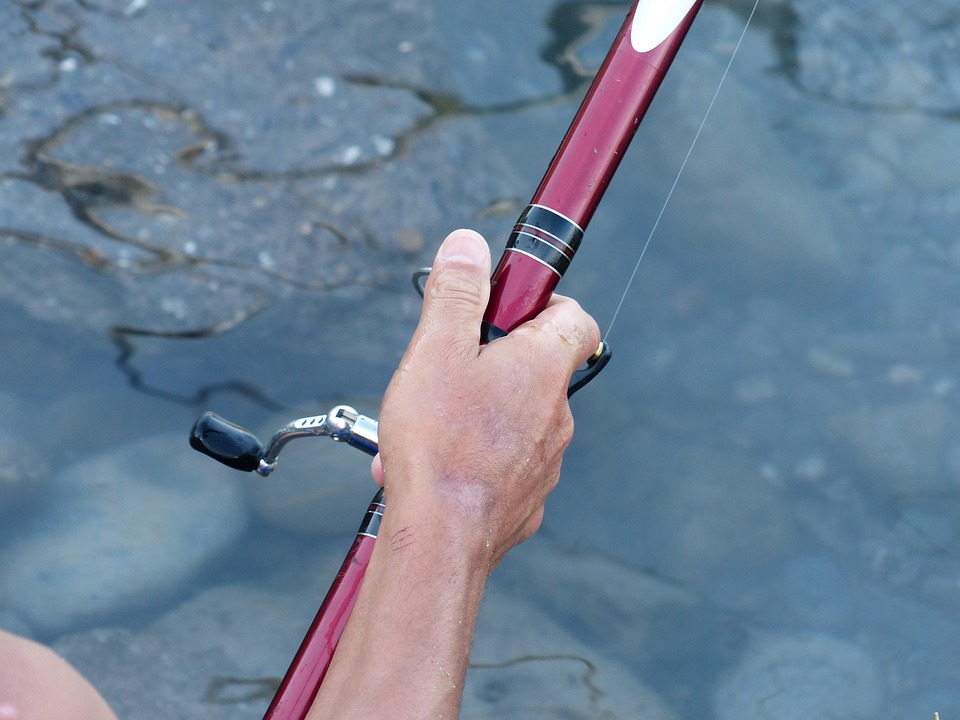
Your choice of rod and reel plays a crucial role in your overall fishing experience. Opt for a medium to heavy action rod that can withstand the strength of predator fish. Spinning reels are versatile and suitable for various lures, while baitcasting reels offer precision and control.
Lures and Baits
Choosing the right lure can make or break your fishing trip. Consider these popular options:
- Spinnerbaits: These lures create vibrations and flash, attracting predatory fish.
- Topwater Plugs: Ideal for early mornings or late evenings, they mimic distressed prey on the water’s surface.
- Swimbaits: Their realistic motion can entice even the most cautious predators.
- Live Bait: Consider using live bait such as minnows, leeches, or worms to attract predator fish.
Line Choice
Monofilament, braided, or fluorocarbon lines have distinct advantages. Braided lines are excellent for sensitivity and strength, while fluorocarbon lines offer invisibility underwater, reducing the chances of fish detecting your line.
Understanding the Water Environment
The environment plays a significant role in predator fishing success. Consider these factors:
Water Temperature
Fish are more active in certain temperature ranges. Generally, warmer waters (65–75°F) trigger more activity, making this an ideal time for fishing. In colder waters, fish tend to be less aggressive.
Time of Day
Predator fish often feed more actively during dawn and dusk. Planning your trip around these times can increase your chances for a successful catch.
Seasonal Patterns
Seasonal changes drastically affect fish behavior. In spring, for instance, predator fish move to shallower waters for spawning. In summer, they may retreat to deeper areas during the heat. Understanding these patterns can inform your fishing strategies considerably.
Effective Fishing Techniques
Slow Rolling
This technique involves retrieving your lure slowly just above the bottom of the water column, making it look like an injured prey. It’s especially effective when fishing in areas with underwater structures, where predatory fish often hide.
Jigging
Jigging can be a game-changer when targeting predators. This technique involves dropping a jig to the desired depth and then snapping it back, imitating the erratic movement of wounded prey. It’s especially effective for bass and walleye.
trolling
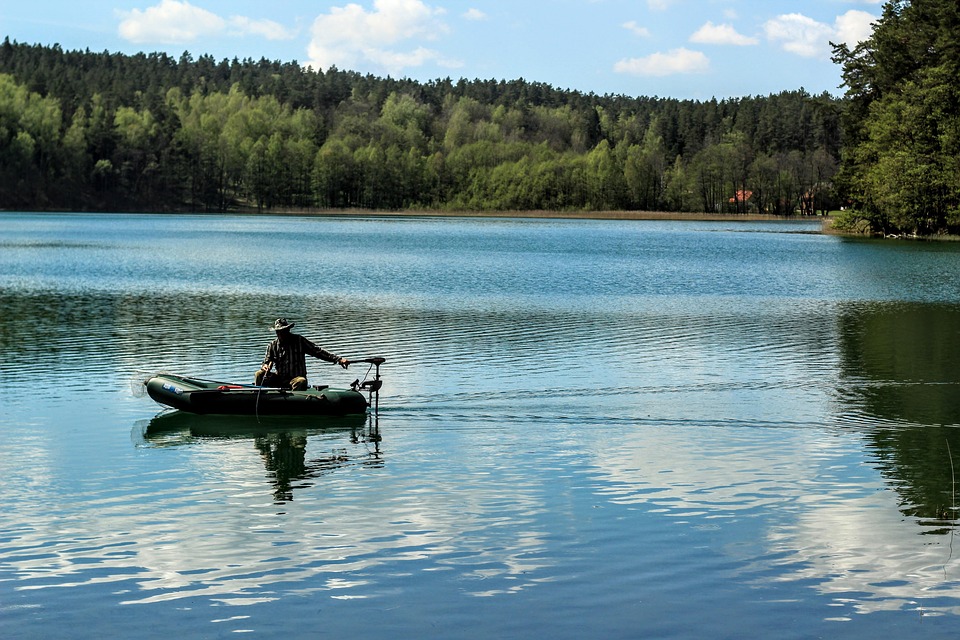
Trolling allows you to cover more water and can attract fish that might be lingering at various depths. By varying the speed and depth of your lure, you can engage predatory fish effectively.
Ethical Fishing Practices
As anglers, it is our duty to maintain the health of our aquatic ecosystems. Adopting ethical fishing practices is essential:
- Catch and Release: If you do not plan on consuming your catch, practice catch and release methods to ensure the fish’s survival.
- Follow Regulations: Always adhere to local fishing regulations, including size and bag limits.
- Minimize Stress on Fish: Handle fish gently and minimize their time out of water for a higher survival rate.
Conclusion
Mastering the art of predator fishing requires a combination of knowledge, skill, and respect for nature. By understanding the behavior of fish, selecting the right gear, being mindful of the aquatic environment, and employing effective fishing techniques, you set yourself up for a fruitful outing on the water. Remember, the joy of fishing is not just in the catch but in the experience itself. So grab your gear, hit the water, and embrace the adventure of predator fishing!
FAQs
1. What is the best time of year for predator fishing?
Spring and fall are often considered the best times for predator fishing as fish are more active during these seasons. Summer can also be productive, especially during early mornings and late evenings.
2. Can I catch predator fish from shore?
Yes, you can catch predator fish from shore. Look for areas with structure, such as rocks, submerged logs, or weed lines, where fish are likely to hide.
3. What are the key signs that predator fish are present?
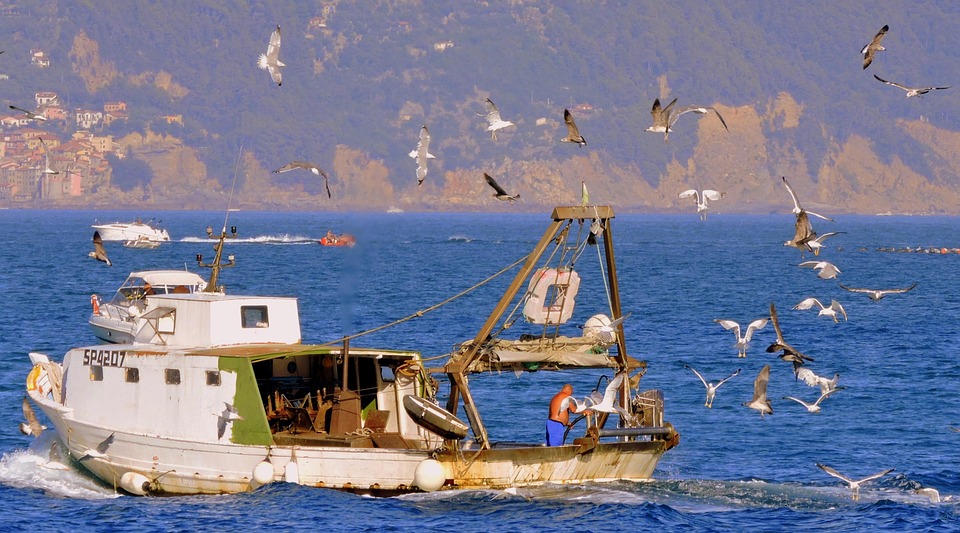
Look for signs of activity such as jumping fish, large swirls, or surface feeding. Birds diving into the water can also indicate the presence of baitfish, which attract predators.
4. How do I choose the right lure for different predator fish?
Consider the water clarity, the type of prey fish present, and the time of year. Experimenting with different colors, sizes, and styles of lures can help you find what works best.
5. How can I maintain the health of the fish population?
Practice catch-and-release techniques, follow local fishing regulations, and ensure minimal stress on fish to help maintain healthy predator fisheries for future generations.
- advanced predator fishing
- aggressive fish fishing
- barracuda fishing
- barracuda lure fishing
- freshwater predator fishing
- large predator fishing
- muskie fishing
- muskie lure fishing
- pike fishing
- pike lure fishing
- predator angling
- predator fishing
- predator fishing baits
- predator fishing destinations
- predator fishing for beginners
- predator fishing gear
- predator fishing guides
- predator fishing lures
- predator fishing reels
- predator fishing rigs
- predator fishing rods
- predator fishing seasons
- predator fishing spots
- predator fishing tactics
- predator fishing techniques
- predator fishing tips
- predatory fish fishing
- saltwater predator fishing
- zander fishing
- zander jigging








Leave a comment