















The world of fishing is as varied as the waters it occupies. Among the myriad techniques fishermen employ, slow jigging stands out for its elegance and effectiveness. Though it requires a unique blend of patience and precision, mastering this technique can yield mind-blowing results. This article dives deep into the fundamentals of slow jigging, exploring its history, techniques, equipment, and the mental fortitude it demands from anglers.
The Essence of Slow Jigging
Slow jigging is a method designed to mimic the erratic behavior of wounded prey, typically found at varied depths in saltwater environments. This technique stands apart because of its deliberate, methodical approach, as opposed to the frenetic pace often associated with traditional jigging. The goal is to entice predator fish by presenting lures in a manner that entices curiosity and triggers strikes.
A Brief History
Originating from the waters of Japan, slow jigging gained popularity in the 1990s and has since spread across global fishing communities. Fishermen discovered that using heavier jigs and employing a slower, more rhythmic retrieve can lead to better results, especially while targeting species like tuna, amberjack, and other pelagic fish.
Key Components of Slow Jigging
1. The Right Gear
The first step in mastering slow jigging is investing in the appropriate gear. While enthusiasts might strive for the highest-end equipment, it’s essential to match your gear to the targeted species and specific fishing conditions.
Rods
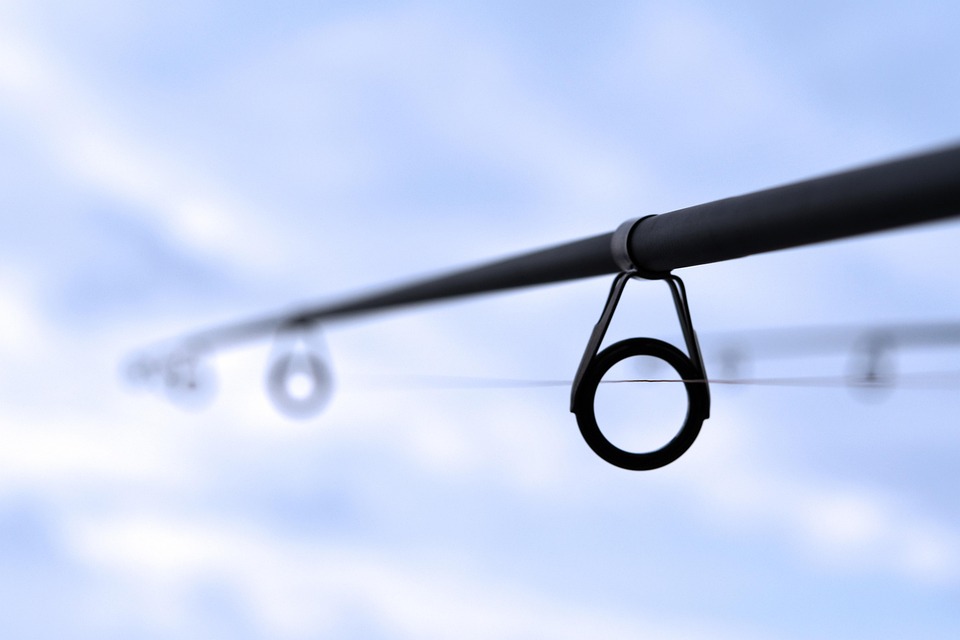
Slow jigging rods are generally longer, flexible, and designed to handle the stress of heavier jigs and larger fish. Opt for rods in the 6’6″ to 7′ range with a medium to medium-heavy power rating.
Reels
A reliable spinning reel or conventional reel with a smooth drag system is essential. A gear ratio between 4.5:1 to 6:1 is ideal for slow jigging. This range allows anglers to balance speed and torque, enabling a steady, deliberate retrieve.
Line and Leader
Choosing the right line is crucial. Braided line offers superior strength-to-diameter ratios and improved sensitivity, while leaders made from fluorocarbon or monofilament help to reduce visibility in the water. A common recommendation is to use a braid between 30-80 lb test and a leader around 40-60 lb test.
2. The Jigs
Slow jigging requires specialized jigs designed to flutter and glide through the water. Jigs typically weigh between 100-300 grams to achieve the correct sinking speed. Look for jigs with vibrant colors and reflective surfaces that attract fish from distance.
3. Retrieving Techniques
The key to successful slow jigging lies in the retrieve technique. The process involves lifting the jig gently and allowing it to fall back to the sea floor, creating an enticing action reminiscent of an injured baitfish.
Cadence
Find a steady rhythm that resonates with your chosen jig. It’s vital to mix up your techniques. A common retrieve pattern is a quick lift of the rod followed by a slow drop (often referred to as a “yo-yo” technique). The overall goal is to keep the jig in the strike zone for as long as possible.
4. Understanding Fish Behavior
While the art of slow jigging hinges on technique and gear, understanding fish behavior in various underwater environments is equally essential. Factors such as water temperature, light penetration, and tidal movements can all influence fish activity.
For example, during colder months, fish tend to move to deeper water, prompting jigging at greater depths. Conversely, warmer months invite fish into shallower territories. Adjusting depth and jigging patterns according to these parameters can significantly impact your success rate.
Mastering the Mental Game
Fishing is as much a mental sport as it is a physical one. Slow jigging, with its inherent demand for patience and precision, requires a different mindset compared to other fishing techniques. As you’ll quickly realize, the thrill comes not just from landing a fish but from the process itself.
As you wait for that subtle nod of a line or a solid tug on the rod, fostering patience is paramount. Familiarize yourself with the unique rhythm of your locale’s aquatic environment, and embrace the process. The experience of slow jigging is replete with moments of anticipation and the empowerment that comes from mastering a technique gradually.
The Social Aspect: Connecting with Fellow Anglers
Part of what makes fishing so enjoyable is its communal aspect. Engaging with fellow anglers who share a passion for slow jigging can lead to invaluable tips, shared experiences, and camaraderie. Join local fishing clubs, participate in forums, or attend workshops to enhance your skills and learn more about the underwater world.
Conclusion
Slow jigging embodies the essence of fishing: it challenges the fisherman’s patience while bountifully rewarding those who master it with thrilling experiences and plentiful catches. By understanding the technical components, mastering retrieval techniques, and nurturing an appreciation for patience in fishing, one can elevate their game to new heights. Fishing isn’t merely about the capture but rather about the journey, the community, and the sublime connection to nature. So grab your gear, head out to the waters, and experience the slow jigging revolution firsthand.
Frequently Asked Questions (FAQs)
1. What type of fish can I catch using slow jigging?
Slow jigging is effective for targeting a variety of species, including tuna, amberjack, snapper, and grouper. It thrives in saltwater environments, so it’s essential to check local regulations and species availability.
2. Do I need a specific type of fishing license?
Yes, in many regions, you will need a fishing license to fish legally. Check the local laws regarding fishing licenses and the specific regulations for the area where you intend to fish.
3. How deep should I fish when using slow jigging techniques?
The depth will vary based on the time of year and the species you are targeting. Generally, it is effective to start at medium depths and adjust based on where fish are congregating.
4. What are some tips for beginners in slow jigging?
Start with quality gear that suits your targeted species and focus on mastering your retrieve techniques. Practice patience, observe your surroundings, and stay adaptable. Joining local fishing groups can also provide valuable insights.
5. Can slow jigging be done from a boat or the shore?
While slow jigging is predominantly performed from a boat in deeper waters, it’s possible to practice techniques from the shore, particularly in coastal areas where species come closer to the land.
- advanced fishing techniques
- artificial bait fishing
- bait fishing
- boat fishing methods
- casting fishing
- deep sea fishing techniques
- drift fishing
- fishing knots techniques
- fishing methods
- fishing methods for beginners
- fishing rigs methods
- fishing strategy tips
- fishing techniques
- fly fishing techniques
- freshwater fishing techniques
- inshore trolling
- jigging fishing
- live bait fishing
- lure fishing methods
- modern fishing techniques
- offshore trolling
- popping fishing
- professional fishing methods
- saltwater fishing techniques
- shore fishing methods
- slow jigging
- spinning fishing
- topwater popping
- trolling fishing
- vertical jigging













Leave a comment