









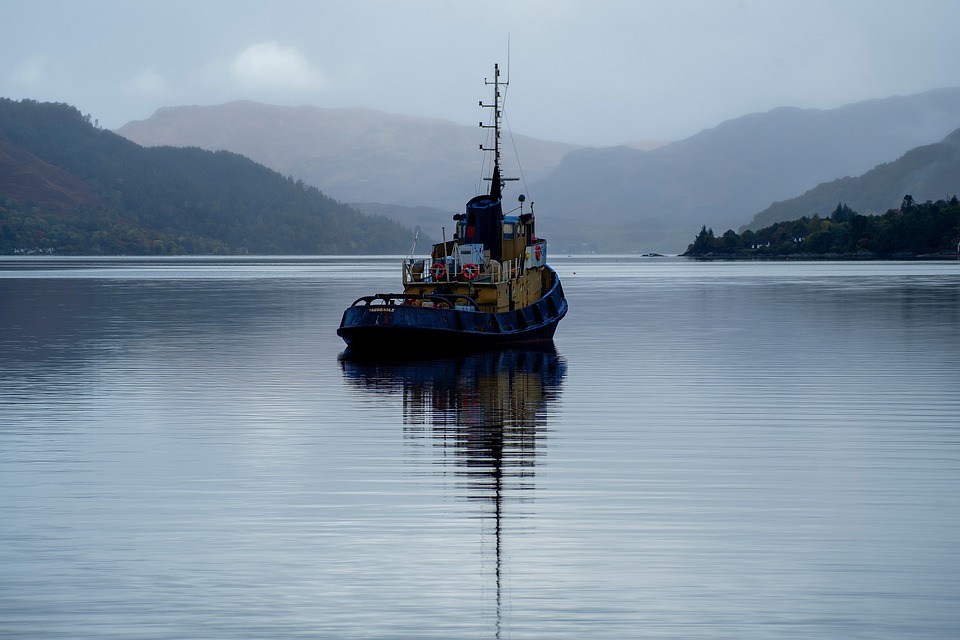








Pier fishing is an accessible, rewarding, and thrilling way to enjoy the beauty of nature while honing your angling skills. Piers often extend into deeper water, providing a unique fishing experience for both novices and seasoned anglers alike. With plentiful opportunities to catch a variety of fish, beginners can reap the joys of fishing without the need for a boat or complex gear. This article aims to equip you with essential tips for successful pier fishing, enhancing your chances of landing that coveted catch.
Understanding Pier Fishing
Before delving into the specifics of pier fishing, it is crucial for beginners to understand what makes it so appealing. Piers create an environment where fish congregate, offering a diverse ecosystem teeming with life. The structure itself—often composed of wood, concrete, or metal—provides shelter and attracts bait fish, leading to hungry predators.
The Best Times to Fish from a Pier
Timing plays a vital role in your fishing success. Here are a few tips to determine the best times to fish:
- Early Mornings and Late Afternoons: Many fish species are most active during these cooler parts of the day.
- Changing Tides: Fish feed more aggressively around tide shifts, particularly during incoming tides.
- Weather Conditions: Overcast days can lead to better fishing as fish often venture out from cover.
Essential Gear for Pier Fishing
Your tackle is your lifeline when it comes to fishing. Depending on the species you hope to catch, your gear will vary, but here’s a basic list for beginners:
- Fishing Rod and Reel: A medium-action rod between 6-7 feet is versatile for most species.
- Line: A durable, braided line rated between 10-20 lbs will suit various fish types.
- Bait: Live bait like shrimp or squid can be highly effective, but lures also work well.
- Terminal Tackle: Hooks, weights, and swivels are crucial components, so have a range of sizes ready.
- Fishing License: Always check local regulations to ensure you’ve obtained the necessary permits.
Choosing the Right Spot on the Pier
Once you arrive at the pier, identifying the best fishing spot can determine your success. Here are a few tips:
- Observe Local Anglers: Watch where others are casting their lines. If they’re catching fish consistently, it may be worth joining them.
- Look for Structure: Areas around pilings, rocks, or submerged structures often attract fish.
- Consider Depth: Fish tend to hang around the drop-off zones where the water becomes deeper.
Techniques for Pier Fishing
Employing the right techniques can enhance your chances of hooking a fish. Here’s a breakdown:
1. Bottom Fishing
This standard technique involves presenting bait on the ocean floor. It’s effective for a variety of species like flounder and catfish.
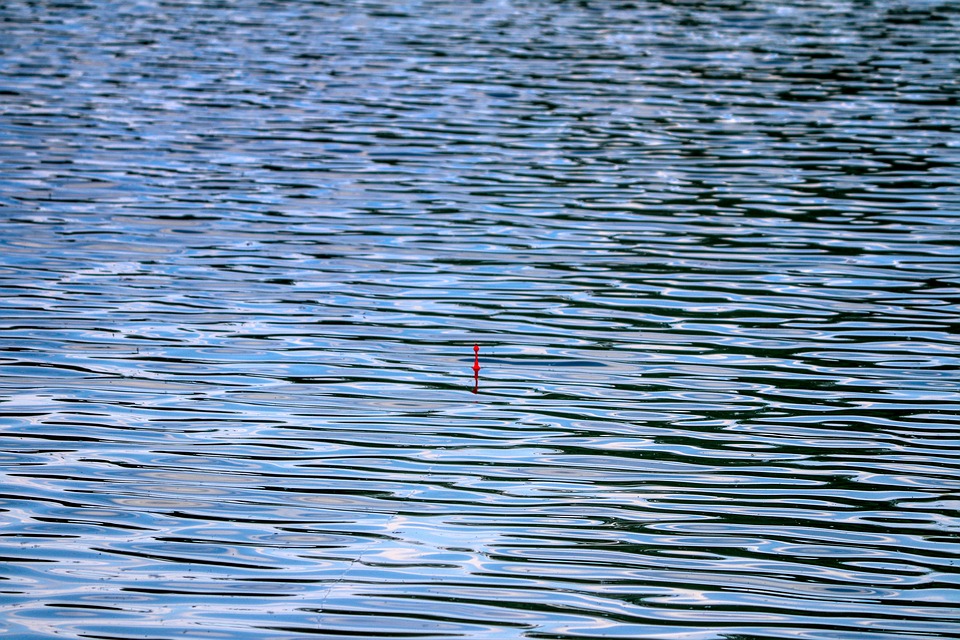
2. Float Fishing
Using a float helps you suspend bait at a specific depth, making this technique ideal for targeting species like snook or mullet.
3. Casting Lures
Lure fishing requires casting and retrieving various types of lures to mimic prey, which can be particularly exciting and effective for active species.
Best Baits and Lures for Pier Fishing
Choosing the right bait can considerably increase your chances of catching fish. Here are some popular options:
- Live Bait: Shrimp, minnows, and squid attract a wide array of fish.
- Artificial Lures: Jigs, spoons, and soft plastics can mimic the movements of prey effectively.
- Cut Bait: For bottom fishing, pieces of fish can be an excellent choice.
Staying Safe While Pier Fishing
Safety should always be a priority. Here are key tips to ensure a safe and enjoyable fishing experience:
- Wear a Life Jacket: If fishing from a high pier, consider wearing a flotation device, especially if you’re not a strong swimmer.
- Watch for Weather Changes: Be aware of changing weather patterns, and prepare to leave if lightning or strong winds develop.
- Keep Your Gear Secure: Arrange your equipment properly to prevent tripping hazards.
Connecting with Fellow Anglers
Pier fishing is not just about the catch; it’s also about community. Engaging with fellow anglers can enrich your experience:
- Share Tips: Don’t hesitate to ask experienced anglers for advice—they may offer valuable insights.
- Participate in Local Events: Join local fishing clubs or participate in competitions to meet like-minded enthusiasts.
- Practice Conservation: Be mindful of local regulations and adhere to catch-and-release practices when necessary.
Conclusion
Pier fishing presents an exciting opportunity for beginners to engage with nature and enjoy the great outdoors. With the right gear, techniques, and mindset, even novices can experience the joy of landing a fish. Remember to stay safe, respect the environment, and connect with fellow anglers in your community. As you embark on your pier fishing journey, keep refining your skills and strategies to make every outing a success. Happy fishing!
Frequently Asked Questions (FAQs)
1. Do I need a fishing license to fish from a pier?
Yes, most locations require a valid fishing license. Check local regulations to ensure compliance.
2. What are the best times of year for pier fishing?
Spring and fall are generally the best times for pier fishing, but specific species may peak at different times.
3. What types of fish can I catch from a pier?
Common catches include snapper, flounder, mackerel, catfish, and even larger species like tarpon.
4. Is pier fishing suitable for children?
Absolutely! Pier fishing is generally safe, making it a great family activity. Just be sure to supervise children closely.
5. What should I do if I hook a fish?
Maintain tension on the line by reeling steadily. Be patient and avoid yanking the rod, as this can result in losing the fish.
- barracuda fishing
- beach fishing
- big game fishing
- bluewater fishing
- boat fishing
- coastal fishing
- deep ocean fishing
- deep sea fishing
- drift fishing
- grouper fishing
- jigging fishing
- kingfish fishing
- mahi mahi fishing
- marlin fishing
- ocean fishing
- offshore fishing
- pier fishing
- reef fishing
- sailfish fishing
- saltwater angling
- saltwater fishing
- saltwater fishing guides
- shark fishing
- shore fishing
- snapper fishing
- sport fishing
- surf fishing
- trolling fishing
- tuna fishing









Leave a comment