










Crappie fishing has captured the hearts and minds of anglers across North America. Known for their delicious taste and energetic fight, crappies are an ideal target for both novice and seasoned fishermen alike. Whether you’re planning a lakeside trip or pursuing these panfish in more extensive waterways, your fishing success largely depends on the right gear. Here, we break down the essential tackle tips and equipment that will increase your chances of landing those prized crappies.
Understanding Crappie Behavior
Before diving into gear specifics, it’s crucial to understand crappie behavior. Crappies are typically found in both freshwater lakes and rivers, preferring warmer waters ranging from 65°F to 75°F. They often congregate around submerged structures like brush piles, fallen trees, and docks. Understanding their habits will guide your equipment choices, as different setups are more effective in various conditions.
Rod and Reel: The Backbone of Your Gear
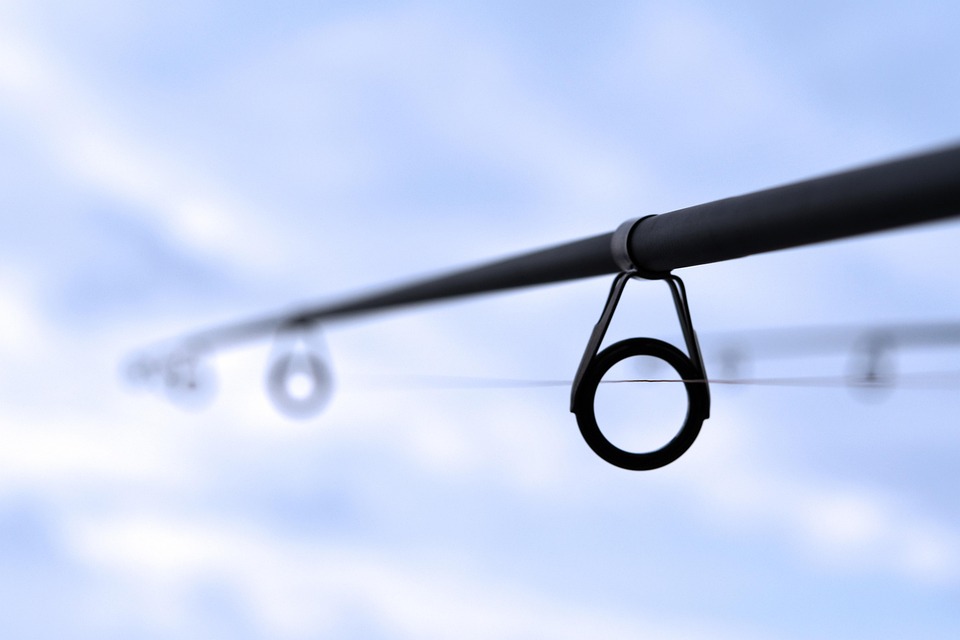
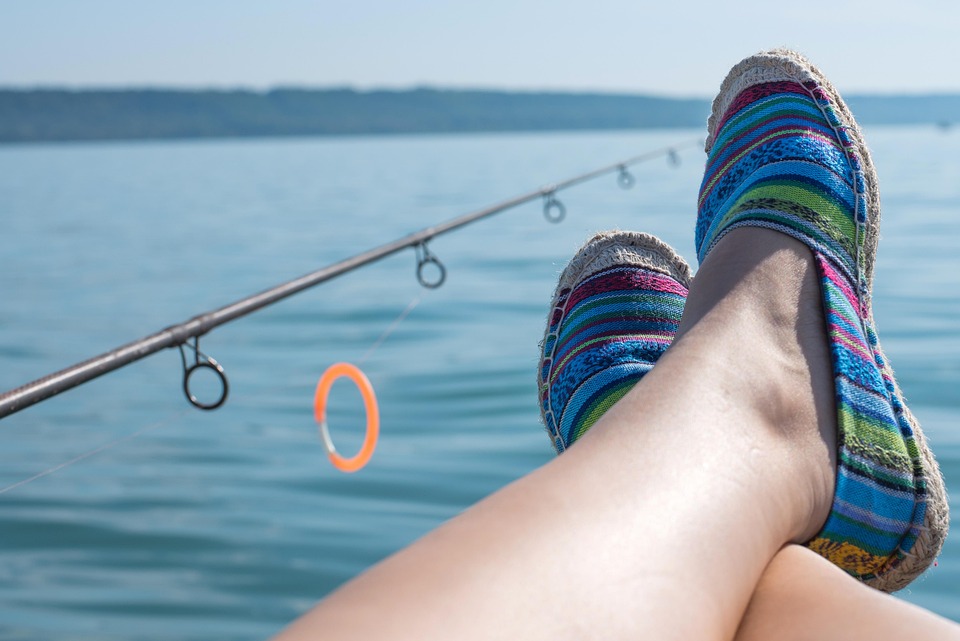
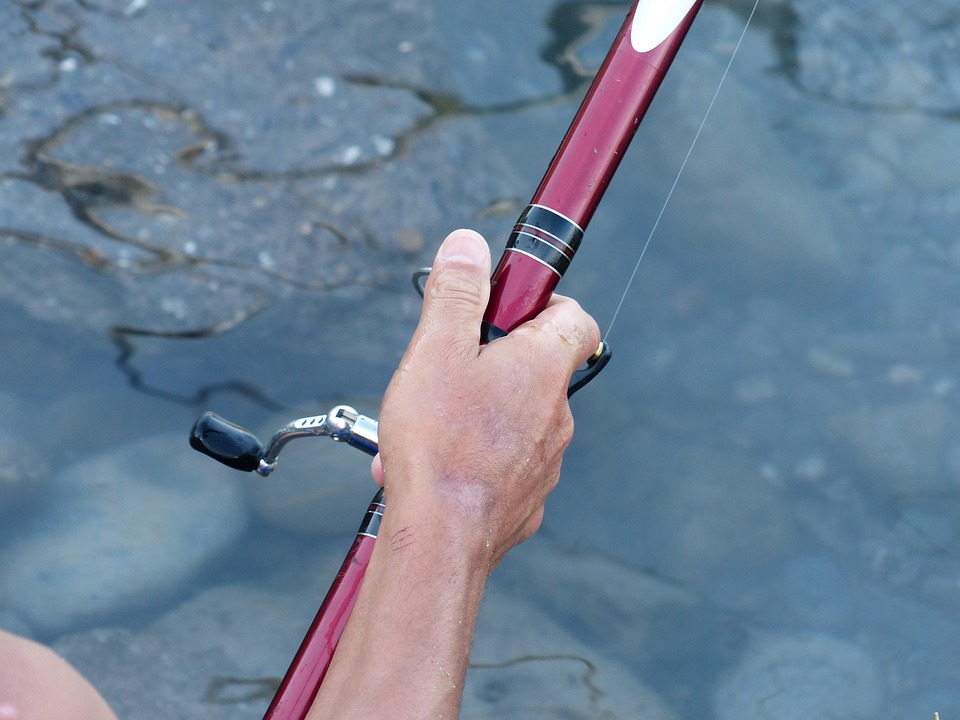
Choosing the right rod and reel is foundational to any fishing expedition. For crappie fishing, ultra-light or light spinning rods, typically between 6 to 7 feet in length, are essential. These rods offer the sensitivity needed to detect those subtle bites. Pair your rod with a spinning reel that has a smooth drag system, as crappies can make quick runs when hooked.
Recommended Rods
- Ugly Stik GX2 Spinning Rod: Known for its durability and sensitivity, this rod is a favorite among crappie anglers.
- St. Croix Panfish Series: Designed for light line and smaller lures, this series offers excellent sensitivity and backbone.
Recommended Reels
- Shimano Sedona Spinning Reel: Offers a solid drag and is perfect for light lines used in crappie fishing.
- Pflueger President Spinning Reel: Known for reliability and ease of use, this reel is excellent for beginners.
Line Choices: Don’t Skimp on Quality
The line you choose can significantly affect your fishing success. Crappies have sharp eyesight, especially in clear waters, making low-visibility line important. Light monofilament line ranging from 4 to 10-pound test is typically recommended. Fluorocarbon line can also be an excellent choice due to its low visibility and abrasion resistance.
Recommended Lines
- Stren Original Monofilament: Known for its versatility, it provides excellent knot strength and manageability.
- Sufix Siege Monofilament: Durable with low stretch, this line is ideal for crappie fishing.
- Seaguar Red Label Fluorocarbon: A fantastic choice for its invisibility underwater and overall strength.
Baits and Lures: What to Cast
The type of bait or lure you use can make a significant difference in attracting crappies. Crappies are opportunistic feeders, so both live bait and artificial lures can yield great results.
Live Bait
- Minows: One of the most popular live baits for crappie fishing, especially shiners and fatheads.
- Crickets or Worms: These natural baits can also work well, especially during the warmer months.
Artificial Lures
- Jigs: Small jigs, particularly in bright colors like chartreuse or pink, can be very effective.
- Soft Plastic Lures: Grubs and worms mimic the motion of live bait and can attract crappies as well.
- Crankbaits: When fishing in deeper waters, these can help cover more ground and locate crappie schools.
Accessories and Essentials
Alongside your main gear, several accessories can elevate your crappie fishing experience. Here are some essentials:
Fishing Tackle Box
Organizing your tackle is crucial. A tackle box with multiple compartments allows you to sort baits, lures, and tools efficiently.
Fish Finder
Using a fish finder can drastically improve your chances of locating crappies by showing their depth and structure in real-time.
Terminal Tackle
- Hooks: Use light wire hooks, usually ranging from size 4 to 8, to minimize damage to fish.
- Sinkers: Utilize split shots or small egg sinkers to keep your bait at the desired depth.
Techniques for Crappie Fishing Success
Now that you have the right gear, your fishing technique is equally important. Here are some methods to consider:
Vertical Jigging
This technique involves dropping your jig straight down and letting it bounce slightly off the bottom. It’s particularly effective in the early morning or late evening.
Casting and Retrieving
This method allows for covering larger areas. Cast your lure near likely crappie holding spots and retrieve it slowly, varying your speed to find what works.
Spider Rigging
This involves using multiple rods positioned around your boat. It’s especially useful when crappies are suspended in deep water.
Seasonal Considerations
Crappies tend to spawn in the spring when water temperatures rise. This is typically the best time to fish for them. During this season, focus on shallow areas with ample cover. However, crappies can also be fished throughout summer and fall, often moving to deeper waters.
Environmental Awareness
Be mindful of the ecosystems you fish in. Following local regulations, practicing catch and release when appropriate, and respecting other anglers are crucial for maintaining sustainable fishing practices.
Conclusion
Whether you’re a beginner or a seasoned pro, having the right gear is crucial for crappie fishing success. From selecting the perfect rod and reel combo to choosing the right bait and employing effective techniques, each decision can make a difference. Always remember to adapt your methods to match seasonal patterns and environmental conditions for the best chances of landing those elusive crappies. With patience, practice, and the right equipment, you’ll be well on your way to enjoying not just a great fishing experience, but also the bounty of delicious crappie on your plate.
FAQs
1. What is the best time of year for crappie fishing?
The best time for crappie fishing is typically in the spring during their spawning season, but they can also be caught year-round with the right techniques.
2. Do I need a fishing license to fish for crappies?
Yes, you need a valid fishing license to fish in most locations. Be sure to check local regulations to ensure compliance.
3. Can I catch crappies at night?
Absolutely! Crappies are often active at night and can be caught using lights to attract baitfish.
4. What depth should I fish for crappies?
Crappies can be found at various depths depending on the season and time of day. The best strategy is to use a fish finder to locate them.
5. How do I prepare crappies for cooking?
Crappies can be filleted or cooked whole. They are versatile and can be fried, grilled, or baked.
- bass fishing
- Bluegill Fishing
- carp fishing
- catfish fishing
- Crappie Fishing
- freshwater angling
- freshwater bait fishing
- freshwater fishing
- freshwater fishing gear
- freshwater fishing guides
- freshwater fishing species
- freshwater fishing techniques
- freshwater fishing tips
- freshwater fly fishing
- freshwater spinning fishing
- inland fishing
- lake fishing
- lakes fishing
- largemouth bass fishing
- muskie fishing
- panfish fishing
- Perch Fishing
- pike fishing
- pond fishing
- reservoir fishing
- reservoirs fishing
- river fishing
- rivers fishing
- Salmon Fishing
- smallmouth bass fishing
- stream fishing
- Tilapia Fishing
- Trout Fishing
- Walleye Fishing








Leave a comment