
















The thrill of fishing for blue catfish has enticed anglers for decades. With their impressive size, tenacity, and sheer power, these giants of the water have earned their place as one of the most sought-after species in North America. Understanding the biology, behavior, and the right techniques are essential for anyone looking to land a trophy-sized blue catfish. This feature explores the essential skills and tools every angler needs to improve their chances of success in the pursuit of these impressive fish.
Understanding the Blue Catfish
Blue catfish (Ictalurus furcatus) are native to North America, thriving in rivers, lakes, and reservoirs. Characterized by their elongated bodies and forked tails, blue catfish can weigh upwards of 100 pounds and measure up to 6 feet in length. Their coloration ranges from a bluish-gray to dark slate on the back with a lighter underside, making them a distinctive presence in the water.
Habitat and Distribution
Blue catfish inhabit a variety of aquatic environments, favoring larger rivers, reservoirs, and lakes where they can find ample food. They prefer deeper waters, often seeking out holes and ledges where they can ambush prey. In summer, blue catfish often move to deeper cool waters, while in winter, they can be found at greater depths where they become less active.
Feeding Habits
These fish are opportunistic feeders, consuming a diverse diet that includes fish, crustaceans, and even aquatic insects. Understanding their feeding behavior is essential for choosing the right bait and location when fishing.
The Gear You’ll Need
Having the right gear is crucial to increasing your chances of successfully catching blue catfish. Here, we break down the essential equipment you’ll require:
Rods and Reels
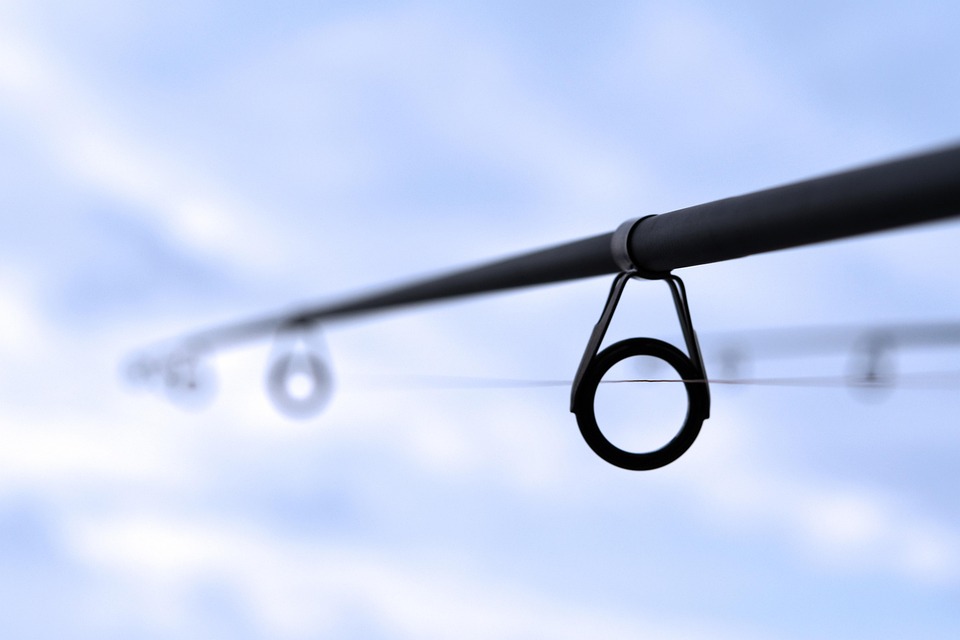
- Rod: A medium-heavy to heavy action rod, typically 7 to 10 feet long, is ideal for handling big fish.
- Reel: A high-capacity baitcaster or spinning reel that can hold a minimum of 200 yards of heavy line is recommended.
Lines and Leaders
- Main Line: Braided line in the 50-80 lb test range offers strength and sensitivity.
- Leader Line: A 50-100 lb fluorocarbon or monofilament leader to combat abrasion from rocks and debris.
Baits and Lures
Live and cut bait work effectively for blue catfish. Some popular choices include:
- Live shad or bluegill
- Cut bait from larger species like carp or catfish
- Prepared baits, such as stink baits or dough baits crafted for catfish
Techniques for Success
Now that you have the right gear, let’s explore some techniques that will help you bring in that trophy blue catfish.
Location, Location, Location
Selecting the right spot can significantly improve your chances. Key locations to consider include:
- Deep holes where catfish gather
- Areas near structure like submerged trees, rocks, or islands
- Points where rivers converge, creating natural feeding lanes
Finding the Right Depth
Blue catfish tend to stay at specific depths based on the time of year and water temperature. Use a fish finder to determine the depth where catfish are congregating. During warmer months, they may be closer to the surface but will retreat to deeper water as the season progresses.
Using Live Bait
When using live bait, it’s essential to keep it lively. Deploy one of the following methods:
- **Free-lining:** Cast the bait out and let it drift naturally with the current.
- **Carolina Rigging:** Attach an egg sinker above a swivel, then a leader to the live bait, allowing it to swim freely.
Night Fishing
Blue catfish are often more active after dark. Investigating nighttime fishing can yield rewarding results as these fish venture into shallower waters to feed.
Embracing Patience and Persistence
Catching blue catfish is not always a quick endeavor. Increasing your success rate requires patience and a willingness to keep trying different techniques, locations, and baits. Here are some tips to stay focused and engaged:
- Stay alert for indications of fish activity, such as jumping baitfish or surface disturbances.
- Rotate between spots if you feel you are not getting bites, keeping things varied can help you locate active fish.
- Bring a comfort item, such as a chair or cooler, to make long waits more enjoyable.
Seasonal Considerations
Understanding how seasonal changes affect blue catfish behavior is key to your fishing strategy:
Spring
As water temperatures rise, blue catfish become more active. This time is great for spawning, usually occurring from late March to June. Finding spawning grounds near structures can increase your chances.
Summer
Summer months can see blue catfish retreating to deeper waters during the hottest parts of the day. Early mornings and late evenings are prime fishing times.
Fall
As temperatures cool, blue catfish will start migrating back to shallower waters to feed. This period is an excellent time for anglers to catch them on the move.
Winter
During winter, blue catfish will be less active but can still be caught. Focus on deeper waters and use bait that can easily entice them.
Conclusion
Mastering blue catfish fishing involves understanding their biology, habitat, and behavior as well as utilizing the right techniques and gear. With factors like seasonal changes, fishing techniques, and bait choices all playing a vital role, anglers can enhance their chances of landing these impressive fish. Ultimately, the journey of searching for the giants is as rewarding as the catch itself. So grab your gear, prepare for the challenge, and enjoy the incredible experience of blue catfish fishing!
FAQs
What is the largest blue catfish ever caught?
The largest blue catfish recorded was caught in 2005 in Virginia, weighing in at an astonishing 143 pounds.
<h3>What’s the best time of year to catch blue catfish?</h3>

<p>Late spring through early fall is typically the best time to catch blue catfish, as they are more active during these warmer months.</p>
<h3>How can I ensure I’m fishing legally?</h3>

<p>Always check your local fishing regulations, including size and bag limits, licensing requirements, and any seasonal restrictions.</p>
<h3>Are blue catfish safe to eat?</h3>

<p>Yes, blue catfish are safe to eat and are considered a delicacy by many anglers. Ensure you follow local advisories regarding consumption from particular water bodies.</p>
- advanced catfish fishing
- blue catfish fishing
- catfish angling
- catfish bait
- catfish fishing
- catfish fishing for beginners
- catfish fishing gear
- catfish fishing guides
- catfish fishing reels
- catfish fishing rods
- catfish fishing seasons
- catfish fishing spots
- catfish fishing tactics
- catfish fishing techniques
- catfish fishing tips
- catfish hooks
- catfish rigs
- catfish species
- channel catfish fishing
- cut bait catfish fishing
- deep water catfish fishing
- flathead catfish fishing
- lake catfish fishing
- live bait catfish fishing
- monster catfish fishing
- night catfish fishing
- river catfish fishing
- shallow water catfish fishing
- stink bait catfish fishing
- trophy catfish fishing















Leave a comment