














Catfish fishing is both an art and a science, attracting anglers from all walks of life. Every year, millions of enthusiasts head out to rivers, lakes, and reservoirs in pursuit of catfish, known for their size and tenacity. However, successfully navigating catfish fishing seasons requires understanding their habits, the impact of seasonal changes, and the techniques that lead to successful catches. This article will explore the nuances of catfish behavior throughout the year, providing you with expert advice to enhance your fishing expeditions.
Understanding Catfish Species
Before delving into seasonal patterns, it’s essential to understand the primary species of catfish available to anglers:
- Channel Catfish: Known for their adaptability, they thrive in various environments and are prevalent in lakes and rivers across the USA.
- Flathead Catfish: Preferring deep waters, these catfish are known for their distinctive flat heads and can grow to impressive sizes.
- Blue Catfish: The largest of the three species, blues are known for their strength and are commonly found in large rivers and reservoirs.
Spring: The Awakening
Spring is arguably the most exciting season for catfish anglers. As temperatures rise, catfish become more active after the winter months. Here’s what to know during this season:
Behavioral Changes
As water temperatures reach around 55°F to 65°F, channel catfish start spawning. They seek shallow, warm areas where they can find shelter, often making nesting sites in rock piles or submerged structures.
Best Fishing Techniques
During spring, anglers should focus on:
- Bait Selection: Use live bait such as shad or nightcrawlers to attract catfish seeking food after the winter.
- Location: Target shallow waters near spawning sites and structures to increase your chances of a catch.
Summer: The Heat of the Action
As the heat intensifies, catfish behavior shifts, but the fishing can still be fantastic. Understanding summer patterns is vital for a successful outing.
Behavioral Changes
During the summer months, particularly when water temperatures exceed 70°F, catfish often retreat to deeper water during the day. At night, they roam shallower areas in search of food.
Best Fishing Techniques
Summer fishing revolves around:
- Nights Out: Fishing at night can yield excellent results as catfish are more active.
- Depth Awareness: Use sonar to locate catfish at deeper depths during the day.
- Bait Diversity: Experiment with various baits, including cut bait, stink bait, and dip bait.
Fall: Transition Time
As the weather cools, catfish start to prepare for winter. Fall fishing can be unpredictable but rewarding.
Behavioral Changes
With water temperatures dropping, catfish become more active again, seeking food to prepare for winter hibernation. They often school together in larger groups.
Best Fishing Techniques
In the fall, consider the following:
- Target Feeding Frenzy: Focus on areas where schools of baitfish are present, as catfish will follow.
- Using Heavy Gear: Prepare for large catches by employing sturdier fishing gear to handle bigger fish.
Winter: The Challenge
Winter presents unique challenges, as catfish are less active, yet opportunities for catches still exist.
Behavioral Changes
When water temperatures fall below 50°F, catfish slow down significantly. They tend to stay in deeper waters to conserve energy.
Best Fishing Techniques
When fishing in winter, utilize these strategies:
- Ice Fishing: For those in colder regions, ice fishing can be an enjoyable way to pursue catfish.
- Patience is Key: Be prepared to wait longer for bites; consider using larger baits for bigger fish.
Essential Gear and Equipment
Having the right gear can make all the difference in your catfishing success. Here’s what you should consider:
Rods and Reels
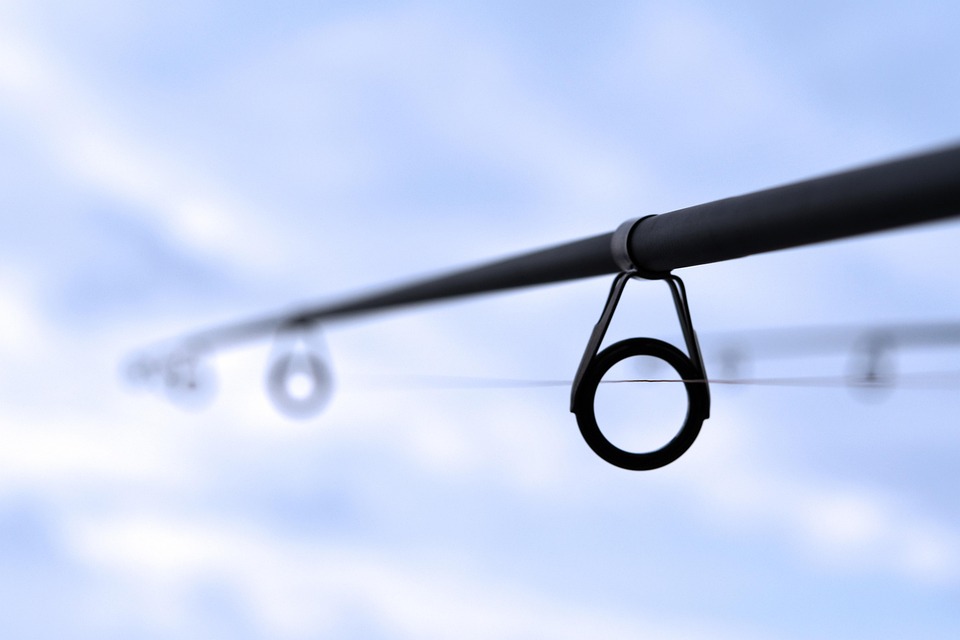
A medium to heavy rod rated for at least 20-50 pounds is ideal, paired with a sturdy reel that can handle the strain of a big catfish.
Bait Selection
Your bait will depend on the season and the species you’re targeting. Consider using:
- Live bait: Shad, worms, or minnows.
- Cut bait: Freshly caught fish chunks.
- Artificial baits: Stink baits and doughballs for channel catfish.
Accessory Needs
Don’t forget useful accessories, such as:
- Hooks (size 2/0 to 8/0 for catfish)
- Weights (slip sinkers are preferable)
- Landing nets and pliers for safe handling
Fishing Etiquette and Conservation
As anglers, it’s crucial to observe ethical fishing practices. Always follow local regulations regarding limits and size restrictions. Practice catch-and-release when possible to ensure sustainable fisheries for future generations.
Conclusion
Navigating catfish fishing seasons requires understanding the behavior of catfish as they transition throughout the year. By adapting your techniques and strategies to match the seasonal rhythms, you can enhance your chances of landing the big one. Whether you’re casting lines in the spring warmth or braving the cold for a winter catch, the thrill of catfishing lies not just in the catch itself but in the shared experience with nature and fellow anglers.
FAQs
What is the best time of year to catch catfish?
While catfish can be caught year-round, spring and fall are often considered the best seasons due to increased activity and feeding behaviors.
What type of bait works best for catfish?
Catfish are not picky eaters; however, popular choices include cut bait (like shad), stink baits, and live baits such as nightcrawlers.
How do I know which catfish species I’m targeting?
Identifying species often relies on location and physical characteristics. Channel catfish have a forked tail, flatheads have a more rounded head, and blue catfish have a slightly flat head with very long whiskers.
Are there any specific regulations I should be aware of?
Yes, fishing regulations vary by location, including size and bag limits. Always check with your local fish and wildlife agency before heading out.
- bait fishing seasons
- bass fishing seasons
- best fishing times
- bluegill fishing seasons
- carp fishing seasons
- catfish fishing seasons
- crappie fishing seasons
- fishing seasons
- fly fishing seasons
- inshore fishing seasons
- jigging seasons
- marlin fishing seasons
- muskie fishing seasons
- offshore fishing seasons
- panfish fishing seasons
- pike fishing seasons
- popping seasons
- sailfish fishing seasons
- salmon fishing seasons
- seasonal fishing for beginners
- seasonal fishing guides
- seasonal fishing guides worldwide
- seasonal fishing strategies
- seasonal fishing tips
- shark fishing seasons
- spinning fishing seasons
- trolling seasons
- trout fishing seasons
- tuna fishing seasons
- walleye fishing seasons
- zander fishing seasons











Leave a comment