










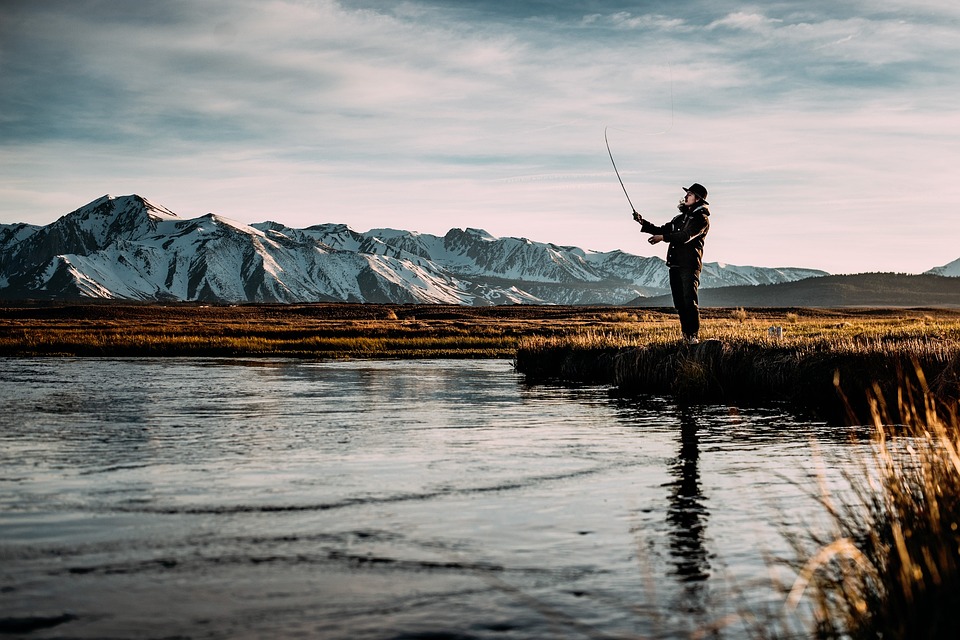
Fly fishing is not just a pastime; it is an art, a science, and for many, a deeply spiritual experience. The sound of water trickling over stones, the thrill of casting a line into the wild, and the satisfaction of reeling in a catch create a multisensory experience like no other. However, to fully enjoy this activity, one must possess the appropriate gear. In this comprehensive guide, we’ll explore the essential fly fishing gear that every angler should have, enhancing both the experience and chances of success on the water.
1. The Fly Rod
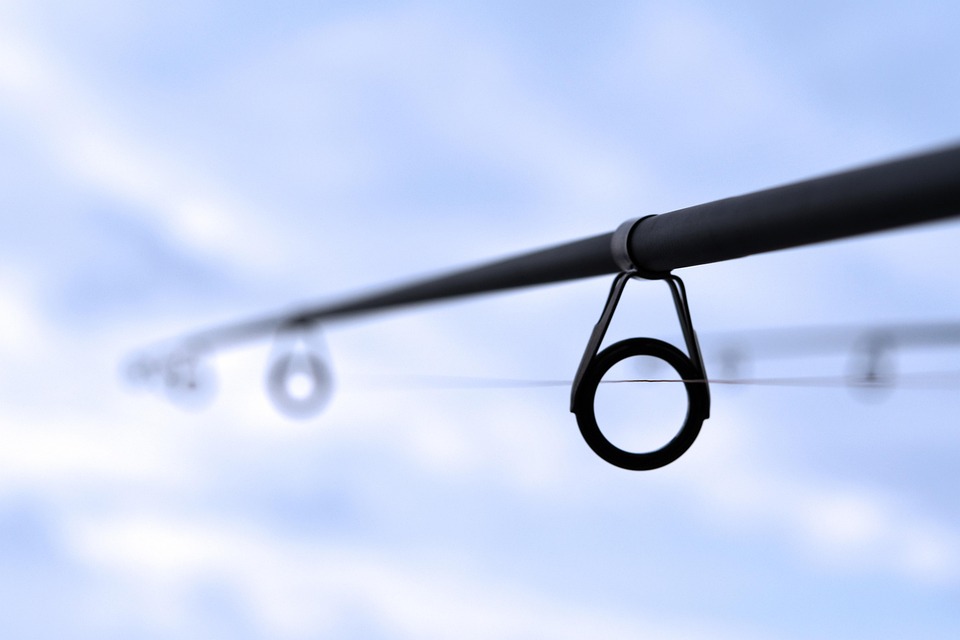
The backbone of fly fishing is undoubtedly the fly rod. When selecting a rod, consider its weight, length, and action. Rod weight is crucial as it affects the type of flies you can cast and the size of the fish you can handle. For instance, a 5-weight rod is versatile for panfish and trout, while a heavier 8-weight rod is suitable for larger species such as bass or pike.
In terms of length, most fly rods range from 7 to 9 feet. A longer rod provides better reach and line control, while a shorter rod offers accuracy in tight spaces. Action refers to the flexibility of the rod: fast action rods bend mostly at the tip and are excellent for quick, powerful casts, while slow action rods bend more throughout their length, allowing for delicate presentations. Many anglers prefer a medium action rod as a versatile choice for various fishing conditions.
2. The Fly Reel
Choosing the right fly reel complementing your rod is vital. Fly reels serve as both a storage device for your line and a mechanism for controlling your catch. Similar to rods, reels come in various weights, and it’s essential to match them with your rod weight. An important feature to consider is the drag system, which helps regulate the tension when a fish takes your line.
Traditional reels are often made from aluminum or graphite, with aluminum being more durable and lightweight. Additionally, ensure that your reel has a smooth retrieve, as this is vital when you hook a fish and need to reel in without complications.
3. Fly Lines
The fly line is what connects the rod and the fly, and it plays a critical role in how effectively you can cast. There are three main types of fly lines: floating, sinking, and intermediate. Floating lines are ideal for catching fish that dwell near the surface, while sinking lines allow for deeper presentations. Intermediate lines fall between the two, providing versatility for various types of fishing.
When selecting fly lines, consider the weight, taper (the thickness of the line along its length), and finish. A weight-forward line is popular among beginners, as it makes casting easier by concentrating weight toward the front.
4. Flies
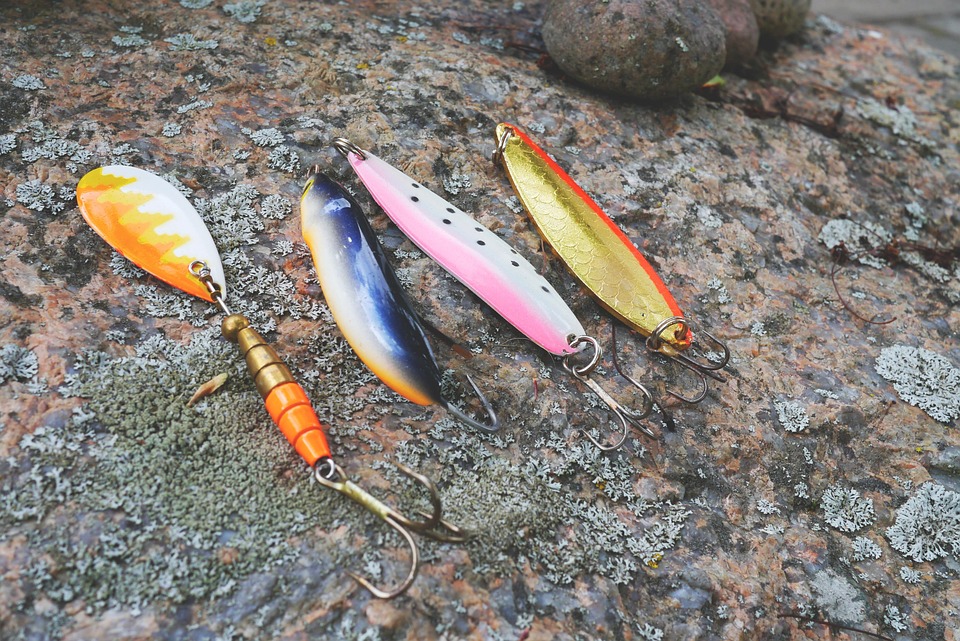
Flies are arguably the most crucial component of fly fishing. These artificial lures mimic the appearance and behavior of insects or baitfish, enticing fish to bite. Flies can be divided into two main categories: dry flies, which float on the water surface, and wet flies, which sink below the surface.
Choosing the right fly can depend on several factors, including the type of fish you are targeting, the water conditions, and the season. Research local insect hatches to determine which patterns are most effective. Popular patterns include Adams (dry), Woolly Bugger (wet), and Pheasant Tail (nymph).
5. Waders and Boots
When wading into rivers and streams, waders are indispensable. They keep you dry and allow you to navigate deeper water easily. Waders come in different materials, with breathable options being the most popular, ensuring comfort during hot weather.
Your choice of footwear is equally important. Wading boots provide the necessary support and traction in slippery conditions. Look for boots with felt soles for excellent grip on rocky surfaces, or consider rubber soles with studs for improved traction.
6. Terminal Tackle
Terminal tackle includes items like tippet, leaders, and split shot that connect your fly to the line. Leaders are essential, as they help prevent the fish from seeing the line and increase your chances of a successful catch. Typically, leaders come in varying lengths and strengths, and should match the line weight. Tippet, on the other hand, is an additional line segment that attaches to the leader and provides extra finesse for delicate presentations.
Finally, split shot can be added to your line to help sink your fly, improving your chances in deeper pools or when fish aren’t active near the surface.
7. Accessories
Along with the core gear, certain accessories can enhance your fishing experience. A fly box is essential for organizing and storing your flies. Tools like forceps, nippers, and a fly-tying kit can also come in handy. Additionally, investing in a good-quality fishing vest or pack to carry all your gear ensures that everything is easily accessible while you’re on the water.
8. Safety Gear
Safety should never be underestimated when engaging in outdoor activities. A life jacket is a must for those who will be in or near deep waters. Moreover, sun protection such as sunscreen, sunglasses, and a wide-brimmed hat are essential to shield yourself from harmful UV rays. A first-aid kit could prove invaluable for unexpected injuries.
Conclusion
With the right gear in your arsenal, fly fishing can transform from a mere hobby into a profound appreciation of nature and an exciting challenge. Understanding the nuances of selecting rods, reels, lines, and accessories can significantly enhance your experience on the water. As you gear up, remember that fly fishing is not just about catching fish; it’s also about immersing yourself in the beautiful landscapes and making lasting memories.
FAQs
1. What is the best fly rod for beginners?
A 9-foot, 5-weight rod is widely considered the best option for beginners due to its versatility and ease of use.
2. How do I choose the right fly for the season?
Research local insect hatches or consult local fly shops to find out which flies are most productive for the season.
3. What type of waders should I buy?
Breathable waders are a great investment, as they provide comfort, particularly in varying weather conditions. Choose the style (bootfoot or stockingfoot) that aligns with your fishing needs.
4. How can I maintain my fishing gear?
Regularly clean your equipment, store it in a dry place, and check for any wear or damage before each outing.
5. Is fly fishing more challenging than traditional fishing?
Fly fishing can be more challenging due to the techniques involved in casting and fly selection, but many find the learning curve rewarding and enjoyable.
- advanced fly fishing
- bass fly fishing
- dry fly fishing
- fly casting techniques
- fly fishing
- fly fishing destinations
- fly fishing flies
- fly fishing for beginners
- fly fishing gear
- fly fishing guides
- fly fishing reels
- fly fishing rivers
- fly fishing rods
- fly fishing species
- fly fishing techniques
- fly fishing tips
- fly tying
- fly tying patterns
- freshwater fly fishing
- lake fly fishing
- nymph fishing
- river fly fishing
- salmon fly fishing
- saltwater fly fishing
- steelhead fly fishing
- stream fly fishing
- streamer fishing
- trout fly fishing
- wet fly fishing
- worldwide fly fishing











Leave a comment