








Salmon fishing is more than just a pursuit; it’s a rite of passage, a meditation on fleeting moments, and an opportunity to connect deeply with nature. The silver flash of a salmon breaking the surface of the water is something that fishermen spend years chasing—and for many, it becomes a lifelong passion. In this article, we delve into the techniques and tactics that define successful salmon fishing, along with captivating tales from those who have been fortunate enough to share the water with these magnificent creatures.
The Salmon: A Brief Overview
Salmon are anadromous fish, meaning they are born in freshwater, migrate to the ocean, and return to freshwater to spawn. The most well-known species include Chinook, Coho, Sockeye, and Pink salmon, each with distinct characteristics and behaviors. Understanding these traits is crucial for developing effective fishing strategies.
Chinook salmon, often called King salmon, are the largest of the species and are highly sought-after for their size and flavor. Coho salmon are known for their aerial acrobatics and are a favorite among sport fishermen. Sockeye salmon are prized for their vibrant color and rich flavor, while Pink salmon, the smallest, are abundant during odd-numbered years in North America.
Techniques for Success
1. Fly Fishing
Fly fishing is a time-honored technique that mimics the natural movements of insects or baitfish, alluring salmon with artificial flies. This method requires finesse and skill in casting, making it ideal for those who appreciate the art of fishing. When targeting salmon, it’s crucial to choose the right fly for the conditions. Common flies include streamers, nymphs, and dry flies, which should be selected based on the feeding behavior of salmon at the time.
2. Spin Fishing
Spin fishing employs spinning tackle and lures to entice salmon. This method is particularly effective in rivers and streams. Popular lures include spoons, spinners, and plugs. Color selection and retrieval speed can make a significant difference in catch rates. Bright colors tend to attract salmon in murky waters, while more natural colors work best in clear conditions.
3. Bait Fishing
Bait fishing is another effective method, particularly when targeting specific salmon species. Herring, roe, and various other natural baits can be incredibly effective. When using bait, it’s important to adjust the presentation based on water conditions and the salmon’s feeding habits. A well-placed bait along a current seam or near structure can yield impressive results.
4. Trolling
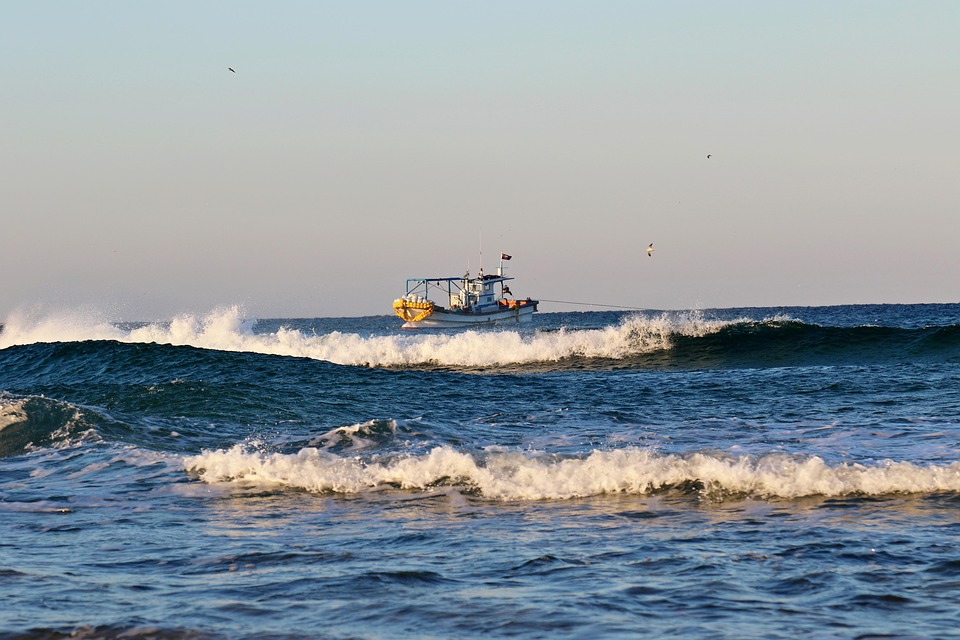
Trolling is a technique that involves pulling lures or bait behind a moving boat. This method can cover a larger area quickly, making it effective in open waters like bays and lakes. The speed of the boat, lure depth, and water temperature are key factors to consider. Salmon often prefer specific depths depending on their life stage and the time of year, so adjusting your troll accordingly is essential.
Understanding Tactics
1. Timing Is Everything
Timing is a crucial aspect of successful salmon fishing. Salmon have defined migration patterns and peak feeding times, which can vary based on species, season, and environmental conditions. Typically, early morning and late evening are the best times to fish for salmon. Additionally, understanding the lunar cycle can give you an edge, as salmon tend to be more active during new and full moons.
2. Locating the Fish
Finding salmon in vast bodies of water can be daunting, but experienced anglers have their tactics. Focus on areas where salmon are likely to congregate, such as river mouths, estuaries, and areas with strong currents or baitfish. Understanding water temperature and flow can also help significantly; salmon often prefer cooler waters and structured environments for spawning.
3. Presentation Matters
Presentation refers to how you deliver your lure or bait to the fish. A good presentation can make the difference between catching a fish and going home empty-handed. Varying your retrieve speed and incorporating pauses can entice salmon into striking. In fly fishing, paying attention to drift and maintaining a natural presentation is critical.
Tales from the Water
1. The One That Got Away
Every seasoned angler has a “fish of a lifetime” story, and Kevin, an avid fisherman from Oregon, is no exception. He recalls a summer morning when he hooked a massive Chinook salmon. The fish fought valiantly, peeling line off the reel and making several broadsides before breaking free at the last moment. Kevin still remembers the disappointment mixed with exhilaration—the beauty of the chase outweighing the loss.
2. A Family Tradition
Sarah, a mother of two, cherishes the moments spent salmon fishing with her family. For her, fishing isn’t merely about the catch; it’s about the memories created on the water. Her children have learned the importance of patience and teamwork, often laughing and sharing stories while they wait for a bite. Last summer, they successfully landed a beautiful Sockeye salmon, and the joy of that moment will be etched in their hearts forever.
3. The Perfect Day
Mark, a fishing guide in Alaska, recalls a day that seemed almost scripted. The weather was perfect, and the waters were teeming with salmon. He managed to lead a group of novice anglers to an area thick with fish, and within hours, they had collectively landed over a dozen salmon. Each time a fish was landed, cheers erupted, weaving a tapestry of camaraderie and celebration that echoed through the fjords.
Conclusion
Salmon fishing is a profound experience that intertwines skill, patience, and a connection to nature. Whether using fly rods or spin casting, seasoned techniques, or innovative tactics, the pursuit is filled with stories and memories that last a lifetime. Each day on the water presents a new adventure, new challenges, and, most importantly, an opportunity to bond with fellow anglers and the environment. For many, salmon fishing is not just a sport but a way of life, a celebration of the great outdoors, and a cherished tradition passed down through generations.
FAQs
1. What is the best time of year to fish for salmon?
The best time to fish for salmon varies by species and location. Generally, spring and fall are prime times, with specific peak seasons depending on the type of salmon and their migration patterns.
2. What gear do I need for salmon fishing?
Essential gear includes a suitable rod and reel, a variety of lures and flies, and bait if you prefer bait fishing. Don’t forget essential accessories like a landing net, tackle box, and appropriate clothing for weather conditions.
3. Are catch-and-release practices recommended?
Catch-and-release is highly encouraged, particularly for species that are under threat due to overfishing. Proper techniques in this practice can help in sustaining fish populations for the future.
4. Do I need a fishing license to fish for salmon?
Yes, in most regions you will need a fishing license. Regulations vary by area, so it’s essential to check local guidelines before heading out.
- bass fishing
- Bluegill Fishing
- carp fishing
- catfish fishing
- Crappie Fishing
- freshwater angling
- freshwater bait fishing
- freshwater fishing
- freshwater fishing gear
- freshwater fishing guides
- freshwater fishing species
- freshwater fishing techniques
- freshwater fishing tips
- freshwater fly fishing
- freshwater spinning fishing
- inland fishing
- lake fishing
- lakes fishing
- largemouth bass fishing
- muskie fishing
- panfish fishing
- Perch Fishing
- pike fishing
- pond fishing
- reservoir fishing
- reservoirs fishing
- river fishing
- rivers fishing
- Salmon Fishing
- smallmouth bass fishing
- stream fishing
- Tilapia Fishing
- Trout Fishing
- Walleye Fishing









Leave a comment