









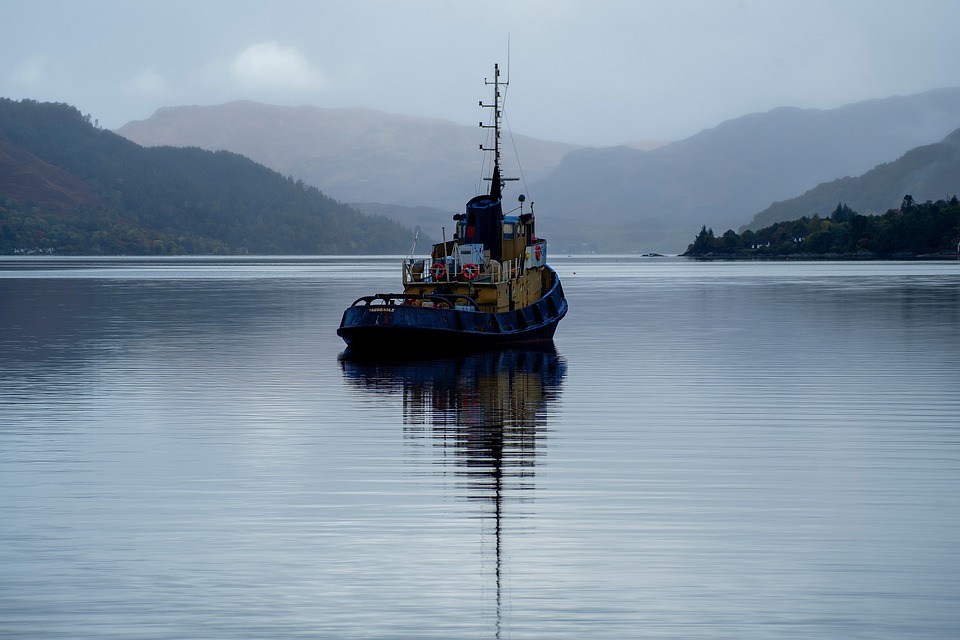








Tuna fishing is a thrilling pursuit that tests the skills and patience of even the most experienced anglers. Renowned for their powerful runs and dramatic jumps, these fish can be a considerable challenge. However, the right techniques, equipment, and strategies can enhance your chances of landing these remarkable creatures. This article delves into the intricacies of tuna fishing, from the various techniques and equipment to practical tips that can maximize your fishing experience.
Understanding Tuna Species
Before diving into techniques, it’s essential to understand the different species of tuna that anglers may encounter:
- Bluefin Tuna: The largest and most sought-after species, known for its exceptional size and flavor. They can weigh over 1,000 pounds!
- Yellowfin Tuna: A favorite among sport fishermen, yellowfin are more abundant and provide fantastic sport with their speed and agility.
- Skipjack Tuna: Smaller and faster, they are often used as bait for larger species.
- Albacore Tuna: Known for their mild flavor and are caught in cooler waters.
Essential Equipment
Having the right gear is vital for success in tuna fishing. Below are the core components every angler should consider:
Fishing Rod and Reel
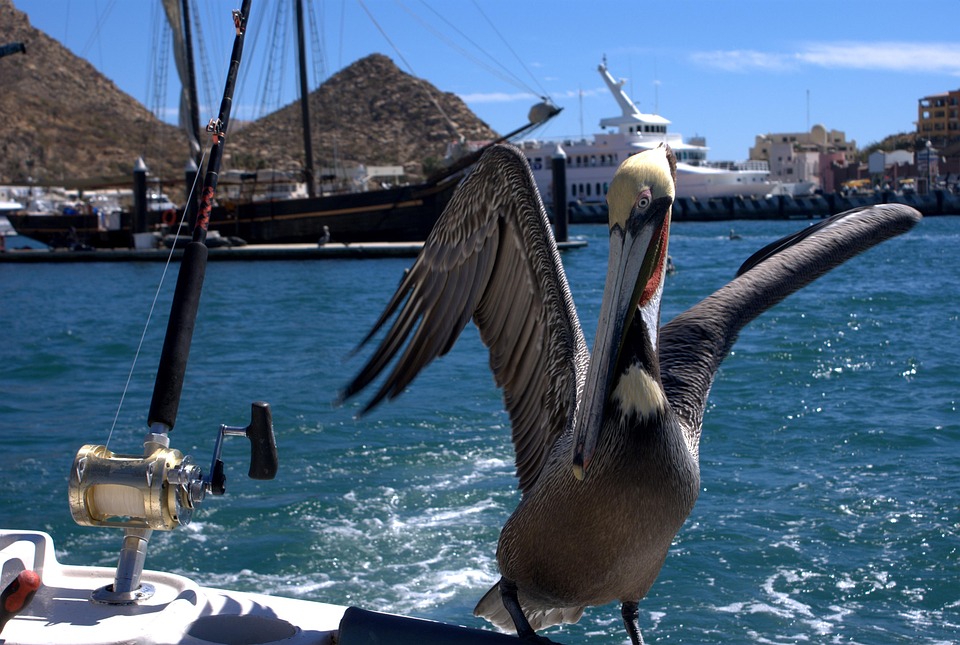
A sturdy rod with a heavy action designed for saltwater fishing is crucial. Pair this with a high-quality reel that has a strong drag system to handle the powerful runs of tuna.
Line and Hooks
Using braided line with a minimum test strength of 50-80 pounds is advisable. Fluorocarbon leader lines are also beneficial due to their low visibility underwater. Hooks should be sharp and of a suitable size, typically ranging from 4/0 to 9/0, depending on the tuna species.
Baits and Lures
Presenting the right bait is essential. Live bait, such as mackerel or sardines, works exceptionally well. Artificial lures such as poppers and jigs also attract tuna effectively.
Electronics
Investing in good fish-finding technology, including sonar and GPS, can save time and enhance your fishing experience by locating schools of tuna efficiently.
Techniques for Tuna Fishing
While tuna fishing techniques vary based on conditions and location, here are some of the most effective methods:
Chunking
This technique involves using cut bait (chunks of fish) to attract tuna. Anglers create a “chum line” that draws the fish toward your boat. Choose a spot where you have located fish via sonar, and toss chunks of bait into the water periodically to entice them.
Live Baiting
Live bait is incredibly effective, especially for larger tuna like Bluefin. Hook a live bait fish (like a mackerel) to your line and drop it into the water. This method requires careful coordination, ensuring the bait is lively to attract predators.
Trolling
Trolling involves pulling lures or baits through the water to find fish. This technique allows anglers to cover large areas efficiently. Maintain a steady speed, and use multiple lines to increase the chance of hooking a fish.
Jigging
Vertical jigging is another methodology that has gained popularity. Using heavy jigs, anglers drop them to the bottom and retrieve them in a rhythmic motion, mimicking the movement of small fish. This technique can prove successful, especially in deeper waters.
Understanding the Tuna Behavior
Recognizing tuna behavior is crucial for success:
- Time of Day: Tuna are known to be more active during dawn and dusk. Scheduling your trips during these times can yield better results.
- Water Temperature: Tuna thrive in warmer waters. Identifying temperature breaks can lead to fruitful fishing spots.
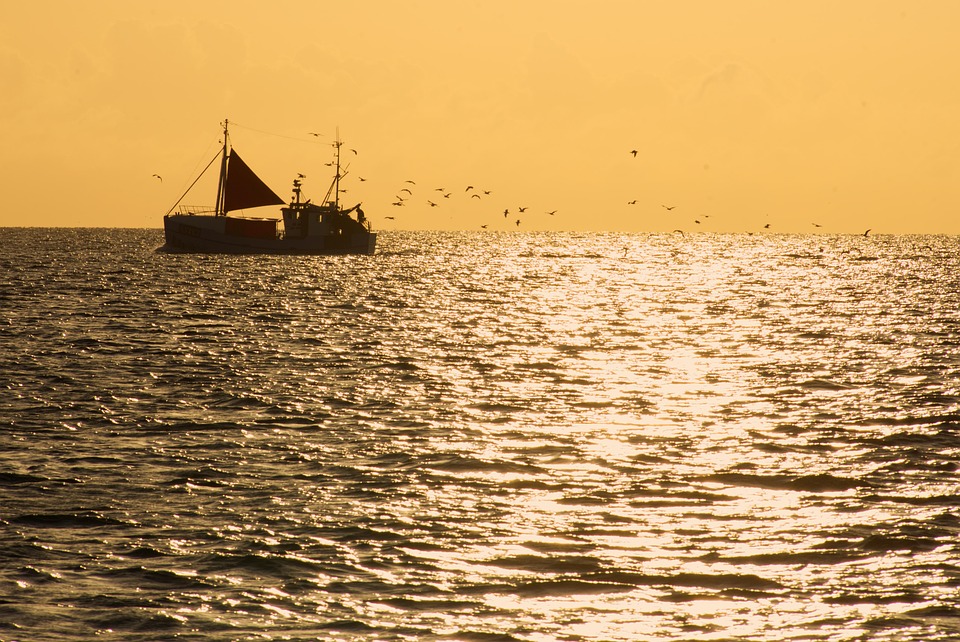
- Schooling: Tuna are often found in schools. Look for jumping fish or birds diving into the water, indicating feeding activity.
Safety Considerations
Safety cannot be overstated during tuna fishing. The open waters can be unpredictable, and proper precautions should be taken:
- Wear Life Jackets: Always wear a life vest while on the water.
- Stay Hydrated: Bring plenty of water and snacks to maintain energy during long trips.
- Check Weather Conditions: Always check forecasts before heading out, and be aware of sudden changes in weather.
Preparing Your Catch
Once you’ve successfully landed a tuna, proper handling is essential:
Immediate Steps
Immediately ice the fish to maintain its quality. Tuna spoils quickly, so swift action is vital.
Cleaning and Filleting
Once back on shore, fillet your tuna properly. Use a sharp knife to make clean cuts, and eliminate any bloodline for better taste.
Storage
Opt for vacuum sealing for long-term storage. Fresh tuna can last several days in the fridge, while frozen tuna can preserve its quality for months.
Conclusion
The art of tuna fishing is an exhilarating experience that combines strategy, skill, and a deep appreciation for nature. With the right tools, techniques, and knowledge, anglers can not only increase their chances of a successful catch but also foster a deeper connection to the sport and the environment. Whether you’re a seasoned angler or a novice just starting, the thrill of landing a magnificent tuna is a reward that truly encapsulates what fishing is all about.
Frequently Asked Questions (FAQs)
1. What is the best time of year for tuna fishing?
The best time for tuna fishing varies by location and species. Generally, late spring to early fall is optimal, but specific conditions should be researched based on your fishing area.
2. Do I need a fishing license to catch tuna?
Yes, most regions require a fishing license for recreational fishing. Always check the local regulations before heading out.
3. What are the best locations for tuna fishing?
Top locations for tuna fishing include the Atlantic coast, Gulf of Mexico, and Pacific waters. Specific hotspots can be found by researching local guides and fishing reports.
4. How can I avoid catching smaller tuna?
Using larger hooks and baits will typically target larger tuna. Additionally, fishing at depths where larger schools are known to reside can help avoid smaller catches.
5. Is tuna fishing suitable for beginners?
Yes! While it can be challenging, beginners can certainly enjoy tuna fishing trips with proper guidance and equipment. Joining a charter or going with experienced anglers is highly recommended.
- big game angling
- big game fishing
- big game fishing baits
- big game fishing destinations
- big game fishing gear
- big game fishing guides
- big game fishing lures
- big game fishing reels
- big game fishing rods
- big game fishing tactics
- big game fishing techniques
- big game fishing trips
- bluewater fishing
- deep ocean fishing
- deep sea fishing
- giant trevally fishing
- kingfish fishing
- mahi mahi fishing
- marlin fishing
- monster fish fishing
- offshore fishing
- offshore trolling
- pelagic fishing
- sailfish fishing
- shark fishing
- sportfishing offshore
- swordfish fishing
- trophy fishing
- tuna fishing
- wahoo fishing










Leave a comment